“Resource guarding isn’t just about bones or toys; in many cases, the most valuable ‘resource’ in a dog’s life is their human.”
It’s easy to feel a sense of pride when your pup blocks others from coming near you. We often romanticize this as the “Lassie effect”—a sign of deep-seated loyalty and a protective instinct. However, from a professional behavioral perspective, intense dog guarding owner behavior is rarely about protection. Instead, it is often a manifestation of high-level anxiety, possessiveness, and a lack of emotional self-control.
When a dog perceives their owner as a “possession” that must be defended against family members or guests, they aren’t acting as a bodyguard; they are acting as a prisoner of their own insecurity. Understanding the thin line between a devoted companion and a dog signaling a mental health red flag is the first step toward a healthier relationship.
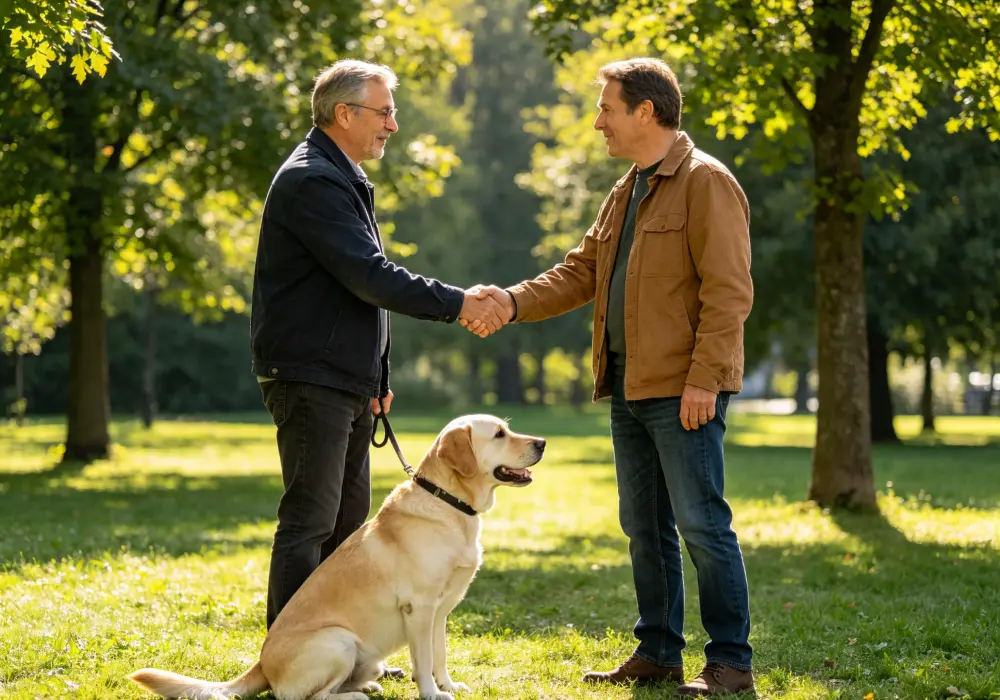
Identifying the Shift: Protective Instinct vs. Guarding Malfunction
Use this refined comparison to decode your dog’s true intentions through their silent body language.
| Feature | Healthy Protection | Resource Guarding |
|---|---|---|
| Body Language | Alert, ears forward, body loose and responsive. | Stiff limbs, “Whale eye” (showing whites), lip curling. |
| Trigger Identification | Recognizable external threats or sudden intrusions. | Harmless family members, guests, or even other pets. |
| Command Response | Instantly desists when the owner says “It’s okay.” | Ignores commands; remains fixated on the “threat.” |
| The Goal | To ensure the owner’s safety from harm. | To maintain exclusive “ownership” of the person. |
1. The Biological and Psychological Root Causes
Why does dog guarding owner behavior occur? It’s essentially a survival mechanism gone wrong. In the wild, resources like high-value food or safe sleeping spots are worth fighting for. In a domestic setting, the owner provides everything: food, safety, and affection. To an insecure dog, a spouse or a child approaching the owner feels like a “thief” coming to steal their life-support system.
This is often a reflection of the dog’s overall well-being. A dog that exhibits these traits may not be checking the boxes for the signs of a healthy dog, particularly in the realm of emotional stability and social confidence.
2. Recognizing the Mental Health Red Flags
Chronic guarding leads to a constant state of “Hyper-arousal.” This means the dog’s brain is constantly flooded with cortisol and adrenaline. Over time, this chronic stress doesn’t just damage their mind; it damages their body. Much like toxic foods cause internal organ failure, chronic behavioral stress can lead to immune system suppression and even heart issues.
The “Resource” Trap
When a dog treats you like a bone, the bond is broken. They are no longer looking to you for guidance; they are dictating the terms of your social interaction. If you notice a sudden dog behavior change where they begin guarding from people they previously liked, it is an urgent signal to consult a behavioral veterinarian.
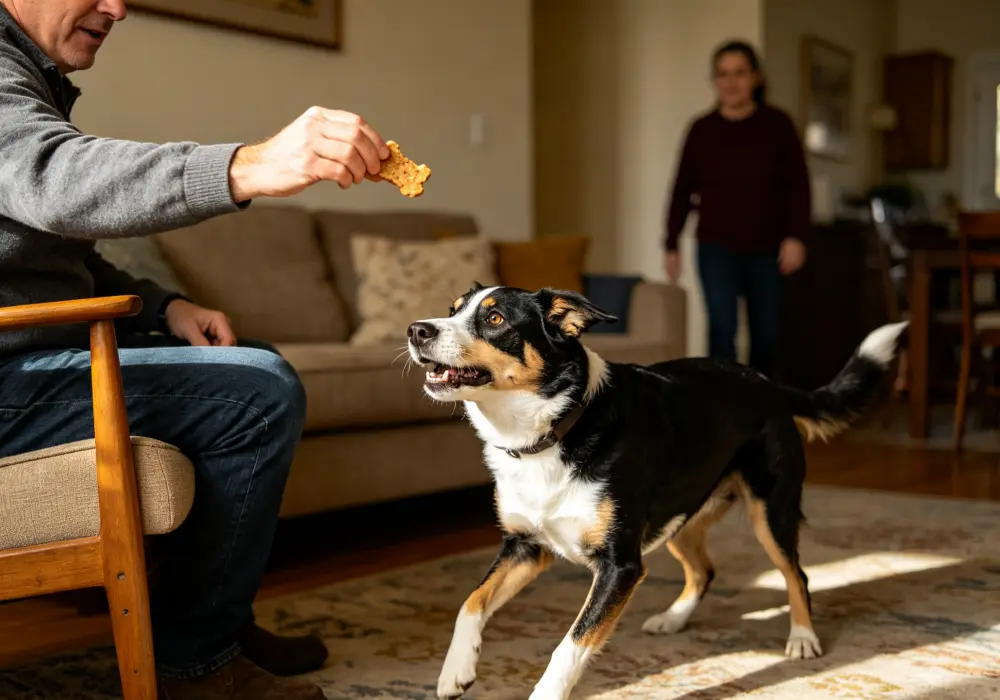
3. Reclaiming Your Space: A 3-Step Strategy
Correcting dog guarding owner behavior requires a shift from punishment to “Confidence Building.” If you punish a guarding dog, you confirm their fear that the situation is stressful. Instead, use these 2026 evidence-based steps:
The Nutrition-Behavior Link
A stressed brain needs proper fuel. Emerging research in 2026 suggests that cognitive health is deeply tied to inflammation. Ensuring your dog is on a high-quality diet, perhaps one of the best dog foods with omega 3, can help manage systemic inflammation and support the neurological health required for behavioral training.
Love Doesn’t Need a Guard
Ultimately, dog guarding owner behavior is an exhausting state for your pet to live in. They are effectively on “high alert” every second of their lives. By stepping in and setting clear boundaries, you aren’t being mean—you are being a leader.
A truly healthy dog is one that can relax, knowing that you are the one in charge of the environment. When you reclaim your role as the leader rather than the “resource,” you give your dog the greatest gift of all: the freedom to just be a dog.
Download PDF: Dog Guarding Owner Behavior: Is It Loyalty or a Mental Health Red Flag?
Related Articles
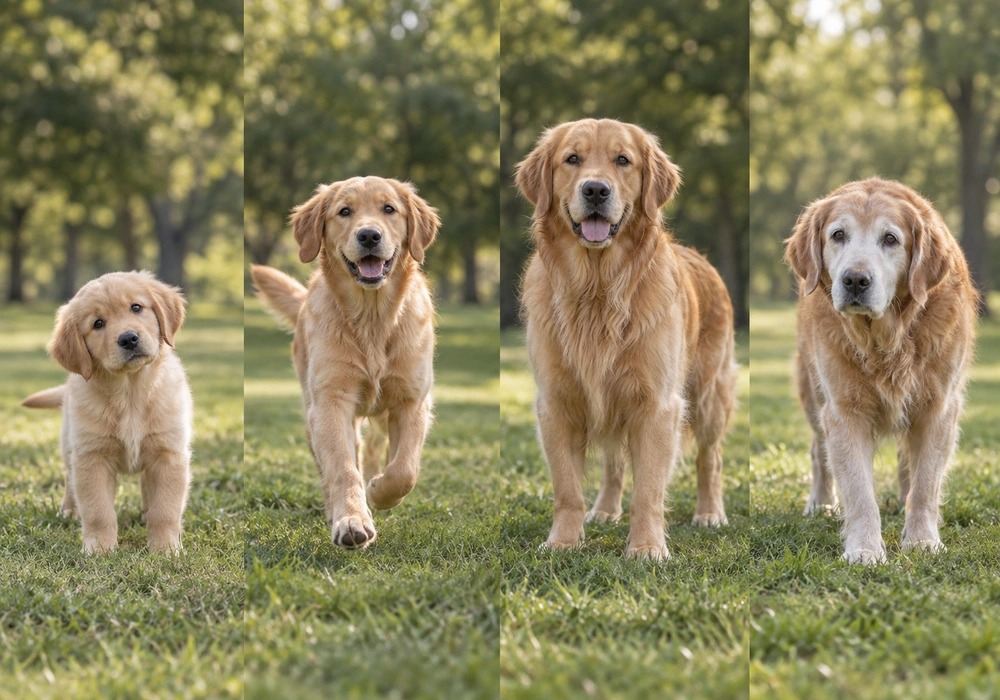
What Are Common Dog Behavior Changes with Age
Canine behavior and healthy aging Common Dog Behavior Changes with Age: What Is Normal and What Is Not? Dogs change throughout life, but age alone does not explain every new
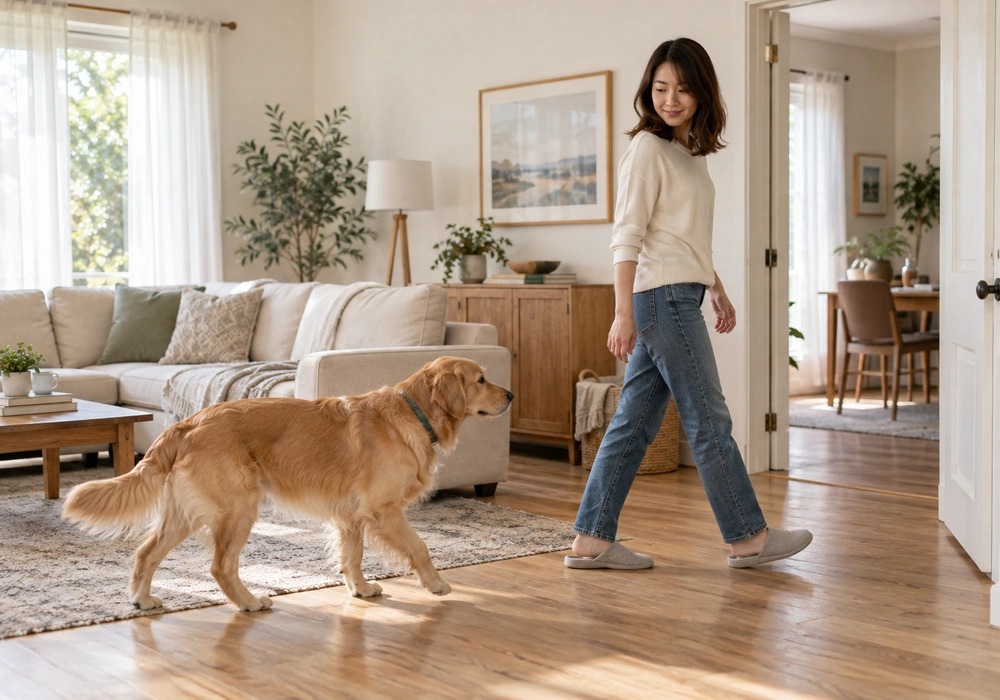
Why Does My Dog Follow Me Everywhere?
DOG BEHAVIOR GUIDEIf you keep wondering, "Why does my dog follow me everywhere?", the answer is often quite ordinary: you are the safest and most rewarding part of your dog's
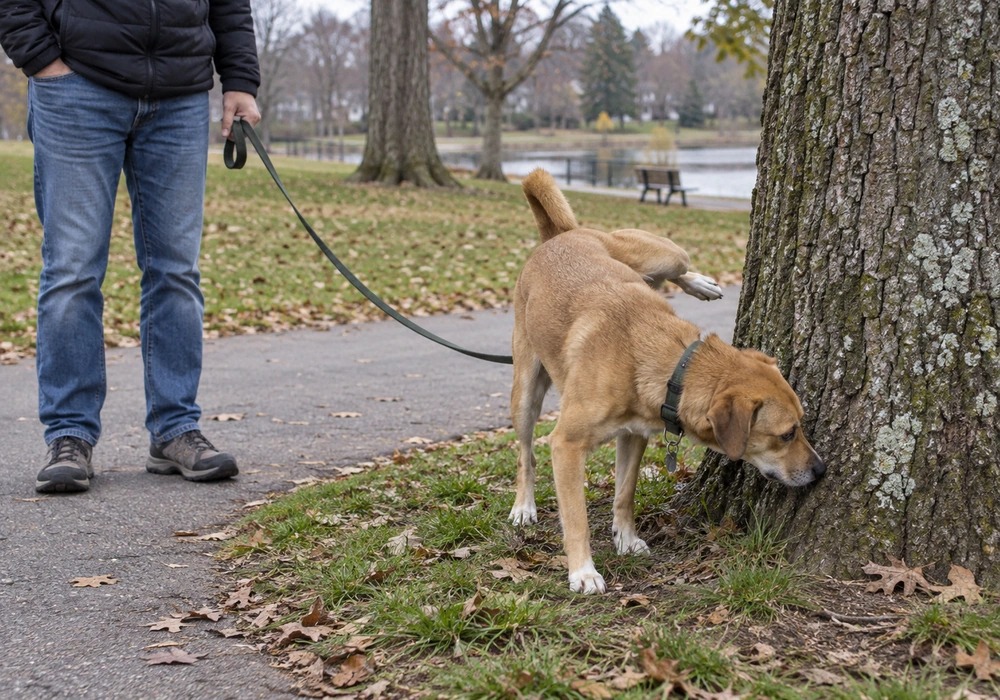
Hormonal Behavior in Dogs: Causes, Signs, and What to Do
Canine behavior and health guide Hormonal Behavior in Dogs: Causes, Signs, and What to Do Hormones can influence marking, roaming, mounting, nesting, appetite, sleep, and emotional responses. They are only