
In 2026, the pet food industry has shifted significantly toward transparency and biological appropriateness. However, with an overwhelming array of food options and conflicting advice, making the right choice for your pet can still feel daunting. Dog nutrition is not just about calories; it is a complex science of providing the specific fuel required to support cellular health, immunity, and even behavioral stability.
If you’ve ever felt overwhelmed by the endless options on the shelf, you’re not alone. Most of that is just marketing noise. We’re breaking things down to the basics: what your dog actually needs to thrive. From decoding those confusing labels to simple feeding tips, here is the straightforward truth about modern dog nutrition.
“A balanced diet is the cornerstone of preventative health. When we master dog nutrition, we reduce the risk of chronic illness and extend the golden years of our companions.”
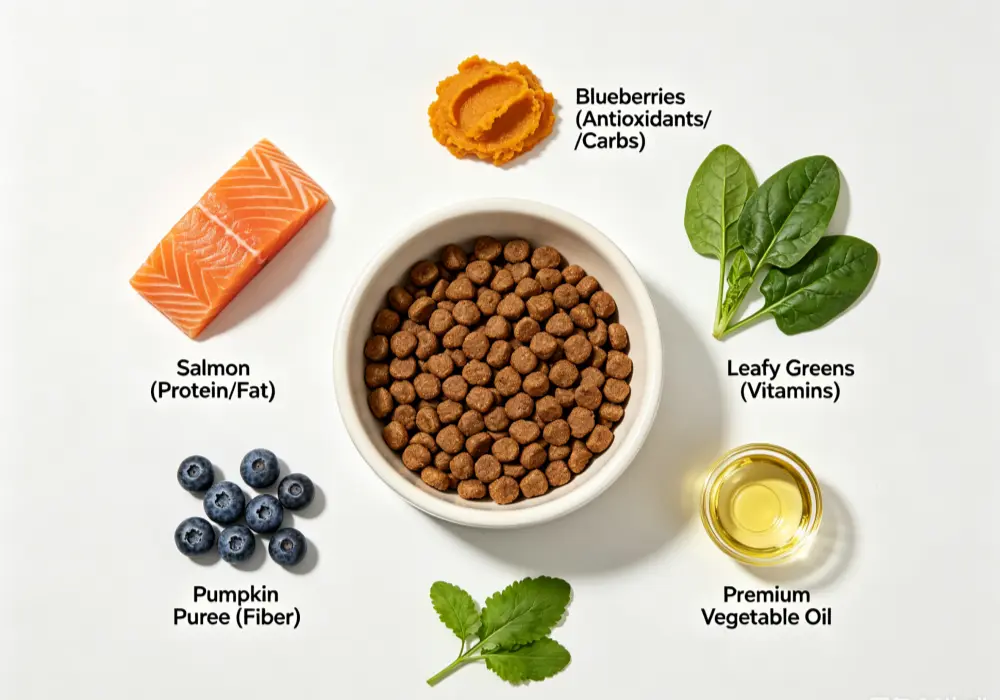
The Six Pillars of Canine Nutrition
Dogs are facultative carnivores. While their ancestors relied primarily on animal protein, domestic dogs have evolved to thrive on a diet that balances high-quality meat with specific plant-based nutrients. A truly balanced dog nutrition plan must include these six core components:
1. Proteins: The Vital Building Blocks
Dogs are facultative carnivores. While their ancestors relied primarily on animal protein, domestic dogs have evolved to thrive on a diet that balances high-quality meat with specific plant-based nutrients. A truly balanced dog nutrition plan must include these six core components:
2. Fats: Concentrated Energy & Mental Protection
Fats are the most energy-dense nutrient, providing more than twice the energy of proteins or carbs. They are vital for absorbing fat-soluble vitamins (A, D, E, K) and maintaining the structural integrity of every cell in the body.
Key Insight: Beyond total fat, the ratio of fatty acids is critical. A high-quality diet must be rich in EPA and DHA to support brain function and skin health. If you notice a dull coat, ensure you are utilizing the best dog foods with omega 3 to restore luster.
3. Carbohydrates & Fiber: The Gut-Brain Axis
While not strictly “essential” in the same way as proteins, carbohydrates provide glucose for immediate energy, sparing protein for muscle repair. Fiber, a type of carbohydrate, is the unsung hero of the digestive tract, feeding the microbiome and regulating waste elimination.
Key Insight: For dogs with inconsistent digestion or loose stools, transitioning to a high fiber dog food can provide the necessary bulk for regular stool health and improved gut motility.
4. Vitamins & Minerals: The Metabolic Regulators
These inorganic and organic compounds are required in small amounts but regulate almost every metabolic function, from bone growth and nerve transmission to muscle function and immune regulation.
Key Insight: Imbalances can lead to developmental orthopedic diseases. Most commercial dog nutrition plans meet these needs, but you must ensure they follow AAFCO standards to prevent long-term deficiencies.
5. Water: The Life Solvent
Often overlooked, water is involved in every single chemical reaction in the dog’s body, from digestion to temperature regulation. A 10% loss of body water can be life-threatening.
Comparison of Dog Food Types
Choosing the format of your dog’s food depends on their specific health needs, your lifestyle, and their personal taste. Here is how the most common types compare in 2026:
| FOOD FORMAT | KEY PROS | KEY CONS | BEST FOR… |
|---|---|---|---|
| Dry Kibble | Convenient, cost‑effective, dental health support. | Low moisture; often higher in starches. | Maintenance and budget‑conscious care. |
| Wet / Canned | High hydration, highly palatable, low carbs. | Expensive; short shelf‑life once opened. | Picky eaters or hydration needs. |
| Freeze‑Dried | Maximum nutrient retention, raw benefits. | Very high cost; requires rehydration. | Nutrient‑first owners and active breeds. |
| Fresh / Cooked | Minimal processing, highly bioavailable. | Refrigeration needed; risk of imbalance. | Dogs with severe behavior problems linked to gut issues. |
How to Read Dog Food Labels like a Pro
Marketing buzzwords like “Premium,” “Natural,” or “Gourmet” are not legally regulated. To truly judge dog nutrition, you must look at the Ingredient List and the Guaranteed Analysis.
The ingredients are listed by weight before cooking. Look for a named animal protein (like “Chicken” or “Salmon”) as the first item. Avoid vague terms like “Meat Meal” or “Animal Fat.” Additionally, ensure the bag carries the AAFCO Statement confirming it is “Complete and Balanced.” If you notice a sudden dog behavior change, the culprit could be a change in food formulation or a sudden sensitivity to a low-quality filler.
Common Feeding Mistakes to Avoid
Even with high-quality food, poor feeding habits can derail your success. Avoid these common pitfalls:
| MISTAKE | POTENTIAL IMPACT | 2026 SCIENTIFIC FIX |
|---|---|---|
| “More Protein is Better” | Kidney strain and weight gain. | Focus on quality/digestibility, not just quantity. |
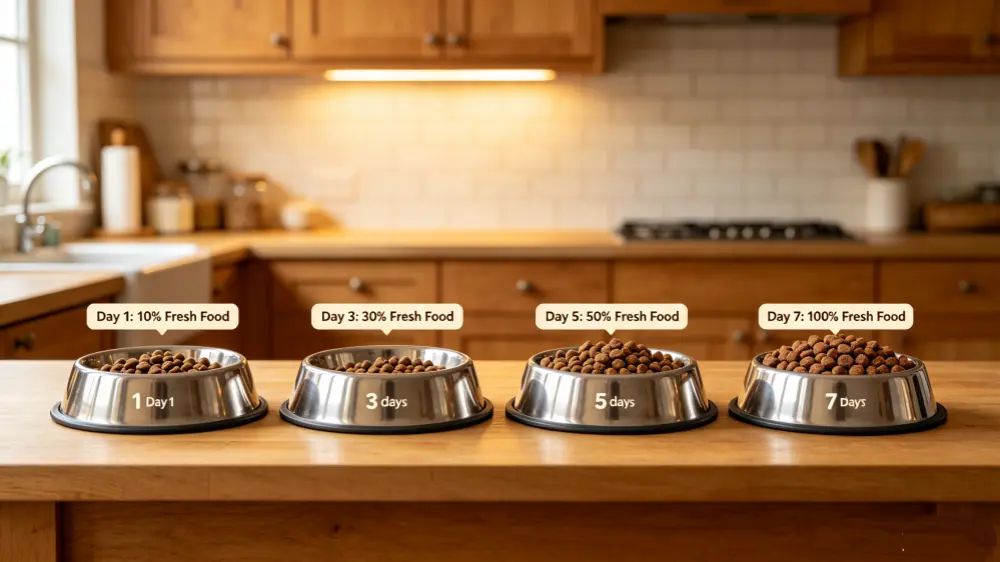
| Ignoring the Transition | Gastrointestinal upset and refusal to eat. | Always transition over a 7‑10 day period. |
| Overdoing Treats | Nutritional imbalance (Treats > 10% kcal). | Rewards are part of positive reinforcement training, but must be accounted for. |
Early detection of health issues starts with monitoring. Learn the Signs of a Healthy Dog to ensure your feeding plan is working.
A Lifelong Commitment
Mastering dog nutrition is a dynamic, lifelong commitment to your pet’s well-being. It is not about finding a single “perfect” bag, but about being an informed advocate for your dog’s changing needs. By understanding the six pillars, decoding labels accurately, and maintaining a balanced bowl, you aren’t just feeding a pet—you are fueling a lifetime of health and joy.
Download PDF: A Guide to Balanced Dog Nutrition: 2026 Essential Food Guide
- “A balanced diet is the cornerstone of preventative health. When we master dog nutrition, we reduce the risk of chronic illness and extend the golden years of our companions.”
- The Six Pillars of Canine Nutrition
- Comparison of Dog Food Types
- How to Read Dog Food Labels like a Pro
- Common Feeding Mistakes to Avoid
- A Lifelong Commitment
Related Articles

When to Switch Puppy to Adult Dog Food
Puppy nutrition guide When Should You Switch a Puppy to Adult Dog Food? The right time is based less on a birthday and more on your puppy's expected adult size,

Adult vs. Senior Dog Food: What’s the Difference and When Should You Switch?
The difference between adult and senior dog food is rarely obvious from one ingredient or one number on the label. Adult food covers maintenance after growth. Senior formulas often try

How to Choose Dog Food for a Senior Golden Retriever
The gray muzzle often arrives before a Golden Retriever starts acting old. That can make a food change feel premature. Yet an older Golden may already be using fewer calories,