
You glance down at your dog as they waddle toward the food bowl—again—and notice that the familiar, bouncy trot they had last year has been replaced by a heavier gait. Their rib cage? It is currently buried under a structural layer of fat that you can no longer easily feel with a light touch. What you originally dismissed as “just a little extra fluff” has officially tipped into a situation that requires a dedicated veterinary plan.
Finding the best healthy dog food for weight loss isn’t about arbitrary deprivation or forcing your companion into starvation mode. Over 59% of dogs globally are currently classified as overweight or clinically obese by veterinary health surveys. This physical load is far from cosmetic; it stresses joint cartilage, accelerates cardiac decline, triggers insulin resistance, and makes every breath your companion takes significantly heavier.
The good news is that canine obesity is highly reversible. However, reclaiming their health doesn’t mean feeding smaller scoops of their current maintenance kibble. True success requires transitioning them to a specialized, rebalanced weight-loss formula designed to burn fat while actively preserving lean muscle mass.
Switching your pup to the best healthy dog food for weight loss ensures they aren’t begging at an empty bowl while you drop their daily calories. Let’s look past the front-of-bag slogans and break down the real nutritional numbers to look for, along with the top low-calorie kibbles that get results.

Why “Eating Less” of the Same Food Backfires
When pet owners notice a weight problem, their instinctive reaction is to simply cut the daily food portion of their dog’s standard maintenance kibble. While logical on the surface, this approach almost always triggers a counter-productive physiological response:
- Severe Satiety Crash: Maintenance kibbles are not packed with the bulk required for weight loss. When you decrease the portion size, you decrease the physical volume in the stomach. The dog’s brain fails to receive the mechanical stretch receptor signals of fullness, resulting in obsessive begging, counter-surfing, and high-stress behaviors. These behavioral changes are often misdiagnosed as standard dog behavior problems.
- Accelerated Muscle Wasting (Sarcopenia): To protect vital organs during a caloric deficit, the canine body will burn muscle tissue if protein intake is insufficient. If your dog’s food lacks a dense, highly bioavailable protein profile, they will lose lean muscle mass instead of fat, lowering their resting metabolic rate and stalling weight progress.
- Systemic Micronutrient Deprivation: Standard maintenance diets are formulated under the assumption that the dog eats the full recommended daily amount. When you cut that portion by 20% to 30%, you are also cutting their daily intake of vital vitamins, minerals, and essential fatty acids.
“When assessing how to choose the best healthy dog food for weight loss, the path starts with understanding that we are trying to change our dog’s body composition, not just their scale weight. We must starve the fat while nourishing the muscle.”
The Five Core Nutritional Targets
To guarantee your pet safely sheds fat, ignore front-of-bag marketing words like “Fit,” “Slim,” or “Light.” Turn the bag over and audit the Guaranteed Analysis against these five clinical standards to find the best healthy dog food for weight loss:
💡 Satiety Check: “Senior” Diets are NOT Weight Loss Diets
Many owners mistakenly buy “Senior” formulas to help their dogs lose weight. However, senior diets are formulated for aging organs and often feature lower protein levels to protect kidneys. For a young, overweight adult dog, senior diets will under-deliver on the protein needed to preserve active muscle mass.
Red Flags on the Label
Not all weight loss formulas are designed with optimal health in mind. Avoid products displaying any of these nutritional warning signs:
- Grains or By-Products Listed First: If generic “corn gluten” or “poultry by-product meal” sits ahead of real animal meats, the formula lacks the digestible protein needed to satisfy your dog’s hunger.
- Incongruent Calorie Counts: If a bag claims to be for “Weight Management” but contains more than 380 kcal/cup, it offers little to no calorie cut from regular adult food.
- Artificial Dyes or Chemical Preservatives: Chemical preservatives like BHA and BHT are highly unnecessary and have no place in a health-focused formula.
- Vague Fibers (e.g., Cellulose Only): While cellulose provides raw bulk, relying on it entirely lacks the prebiotic benefits that support overall gut health.
Canine Calorie & BCS Calculator
Input your dog's current weight and select their current body condition score to estimate their Resting Energy Requirement (RER) and get targeted feeding advice.
Calculated Metabolic Profile
-- kcal/day
-- kcal/day
--
Clinical Feeding Standard
The 5 Best Healthy Dog Foods for Weight Loss
These top selections span various categories, from strictly regulated veterinary prescriptions to high-quality over-the-counter options, allowing you to choose the best healthy dog food for weight loss that fits your dog’s clinical profile:
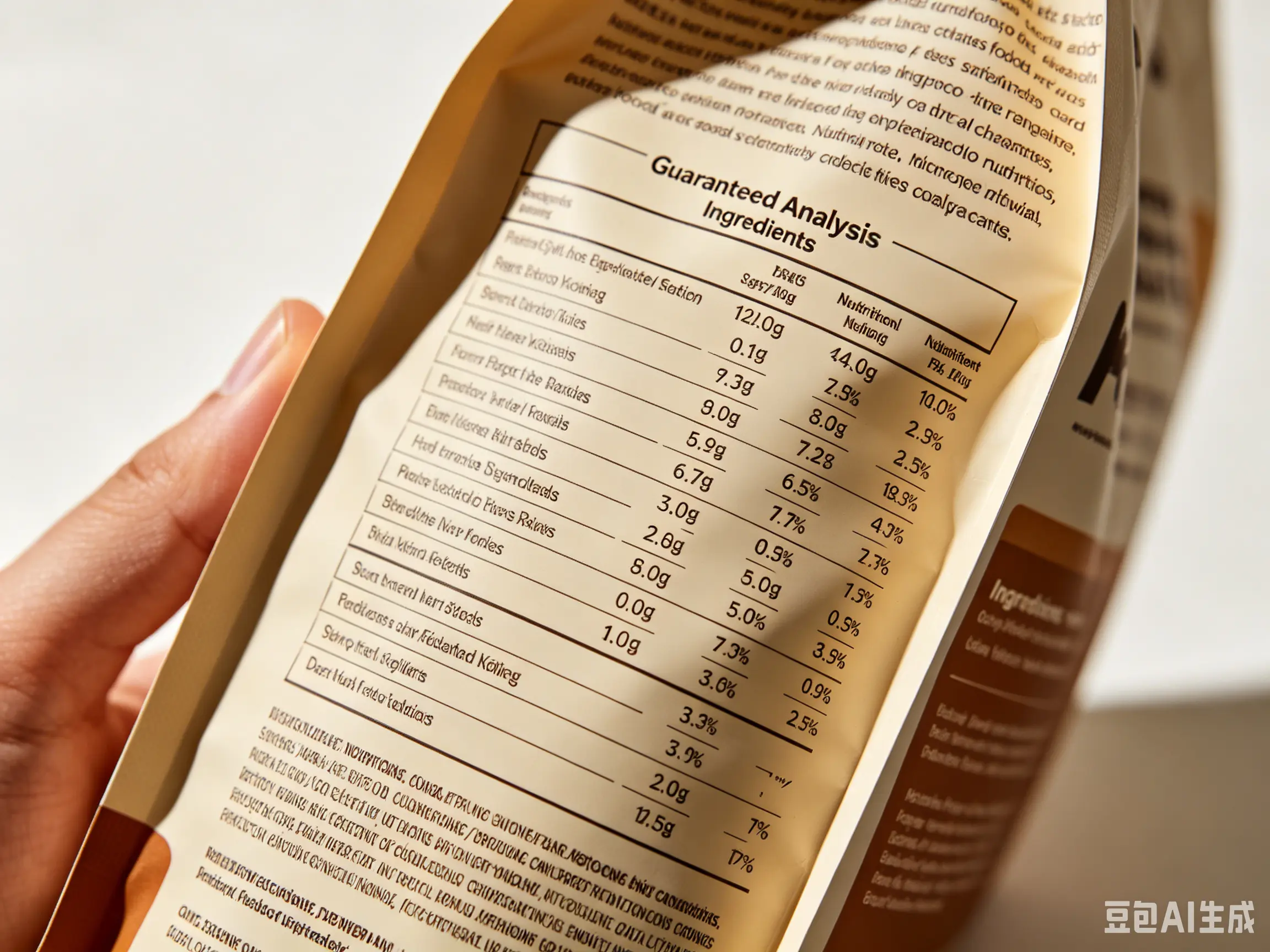
Product Comparison Matrix
This comparison table aligns the options against your dog’s specific needs to help you identify the best fit:
| FORMULA NAME | DIET TYPE | PROTEIN (DM) | FAT (DM) | FIBER (DM) | BEST SUITED FOR |
|---|---|---|---|---|---|
| Royal Canin Satiety | Prescription (Rx) | 30% | 9% | 17% | Very hungry, food-obsessed dieters. |
| Hill’s Metabolic + Mobility | Prescription (Rx) | 28% | 10% | 14% | Overweight dogs showing joint stiffness. |
| Purina Pro Plan OM | Prescription / Pro | 30% | 9% | 12% | A balanced, high-protein approach. |
| Wellness CORE RF | Over-the-Counter (OTC) | 38% | 10% | 6% | Active, mildly overweight dogs. |
| Blue Buffalo Healthy Weight | Over-the-Counter (OTC) | 26% | 11% | 5% | Minor weight loss and maintenance. |
Comparing Caloric Densities
Managing a weight crisis requires understanding exactly how much caloric density varies across different feeding tiers. The chart below illustrates this difference:
Beyond the Bag: Precision Portion Control
Even the best healthy dog food for weight loss will fail to deliver results if portions are estimated by eye. To ensure success, implement this strict three-part management system:
When “Weight Loss Food” Isn’t Enough
If your dog fails to lose weight after 8 to 12 weeks of meticulous portion control, or if they display sudden weight gain alongside normal eating habits, schedule a clinic visit. Under-lying endocrine conditions like hypothyroidism, Cushing’s disease, or metabolic insulin resistance can actively prevent fat loss and require medical treatment.
Restoring Their Bounce
Ultimately, the best healthy dog food for weight loss isn’t simply the most expensive bag—it’s the one that delivers high protein, moderate-low fat, quality fiber, L-carnitine, and a realistic calorie density, matched to your dog’s specific medical needs.
Aim for a slow, safe target rate of 1%–2% of total body weight loss per week. By choosing the right formula, measuring every meal on a scale, and keeping daily walks consistent, you can safely guide your dog back to their ideal weight, bringing back that healthy bounce in their step.
Related Articles

When to Switch Puppy to Adult Dog Food
Puppy nutrition guide When Should You Switch a Puppy to Adult Dog Food? The right time is based less on a birthday and more on your puppy's expected adult size,
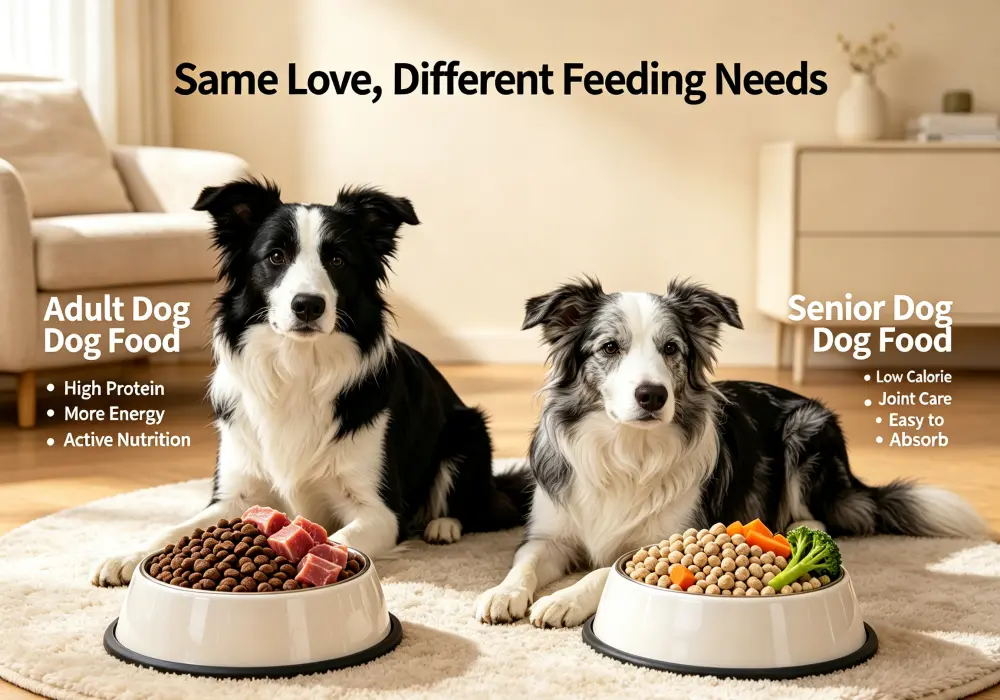
Adult vs. Senior Dog Food: What’s the Difference and When Should You Switch?
The difference between adult and senior dog food is rarely obvious from one ingredient or one number on the label. Adult food covers maintenance after growth. Senior formulas often try
How to Choose Dog Food for a Senior Golden Retriever
The gray muzzle often arrives before a Golden Retriever starts acting old. That can make a food change feel premature. Yet an older Golden may already be using fewer calories,