
As your loyal companion enters their golden years, their body undergoes a profound metabolic shift. Finding the right dog food for older dogs is no longer just about filling a bowl—it’s about precision nutrition that sustains muscle mass while protecting aging organs.
Choosing the best dog food for older dogs requires looking past the “Senior” label on the bag. It’s a science that involves balancing lower calorie counts with higher-quality protein and identifying key functional ingredients.
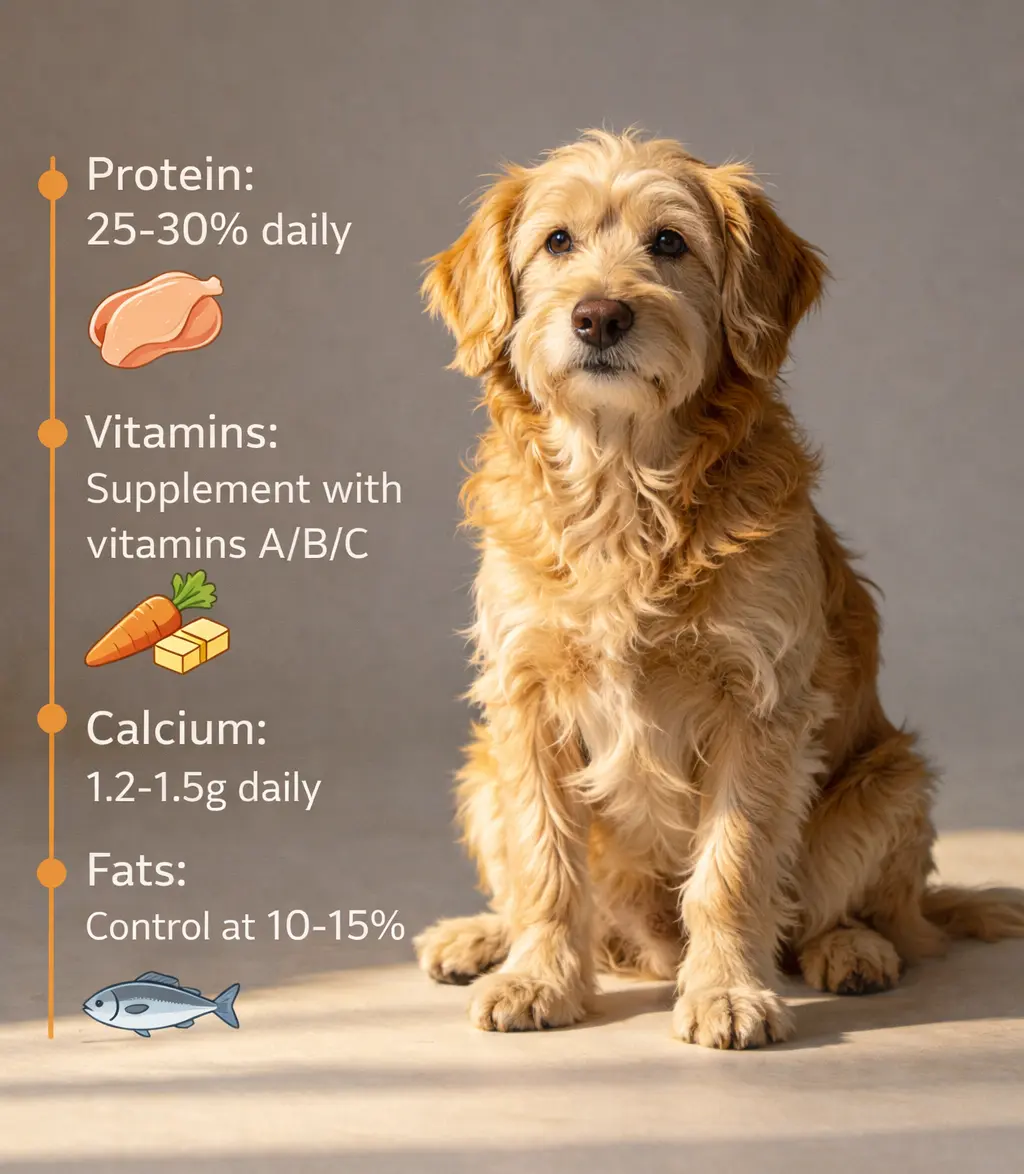
Why Metabolism Reshapes Their Needs
“Senior” is a physiological state, not just a number. As dogs age, their resting energy expenditure can decrease by as much as 20% to 30%. Without adjusting their diet, obesity quickly becomes a major threat to their joints and heart.
Decoding the Ingredients for Seniors
1. The Protein Paradox
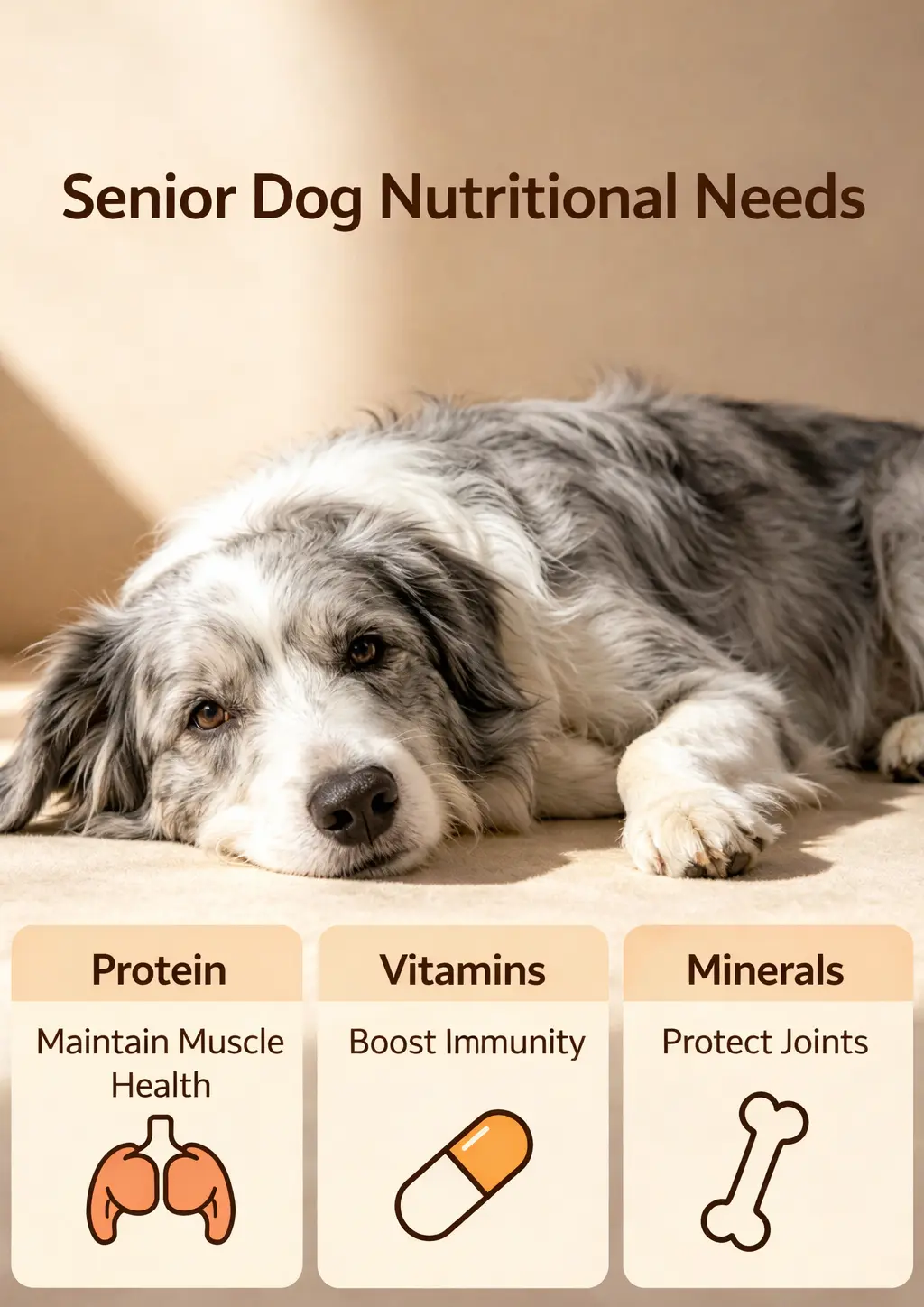
A common myth is that older dogs need less protein to protect their kidneys. Modern research shows the opposite: dog food for older dogs should contain higher levels of easily digestible protein to combat age-related muscle loss.
2. Gentle Digestion and Gut Health
An aging digestive system is often more sensitive. You may notice your dog struggling with gas or loose stools. In these cases, it is worth looking for dog food specifically for sensitive stomachs, which utilizes highly bioavailable ingredients to reduce gut inflammation.
3. Joint & Brain Support
Look for EPA, DHA, and Glucosamine. These aren’t just additives; they are essential for keeping their mind curious and their walks comfortable.
FAQ: Common Questions About Senior Dog Food
Small Changes, Big Results
Feeding your companion shouldn’t be guesswork. By picking a high-quality dog food for older dogs, you aren’t just managing their weight—you’re protecting their energy levels and mental sharpness for the years ahead.
Keep a close eye on their transition. If you notice any sudden digestive changes or pickiness, it might be worth exploring dog food specifically for sensitive stomachs to ease the burden on their gut.
The goal is to keep them moving, thinking, and wagging for as long as possible. For a more comprehensive look at aging wellness, you can find further guidance in our Practical Instructions On How To Take Care Of A Dog For A Happy Life.
Next Step:
Don’t wait for a health crisis to act. Flip your current dog food bag over tonight. If “corn” or “by-products” are at the top of the list, your senior dog deserves an upgrade.
Download PDF: How to Choose the Best Dog Food for Senior Dogs
Related Articles
When to Use High Fiber Dog Food: A Guide to Digestive Health
Fiber is often the unsung hero of canine nutrition. While proteins and fats dominate the marketing headlines, it is dietary fiber that maintains the internal equilibrium of a dog’s
Finding the Best Dog Food for Sensitive Stomach and Diarrhea
Dealing with a dog’s sensitive stomach can be frustrating, especially when diarrhea becomes a regular problem. Finding the best dog food for sensitive stomach and diarrhea isn’t just about avoiding

Dog Food for Liver Function: How to Choose the Best Option for Your Dog
If you’re searching for the right dog food for liver function, you probably already know how much the liver does—it's the body's silent engine, filtering everything from treats to toxins.