
If your normally independent, sweet-tempered pup has suddenly transformed into an anxious, shadow-following velcro dog—or conversely, an irritable nester who wants absolutely nothing to do with you—it can be incredibly jarring. Facing a female dog’s first heat cycle brings a wave of unpredictable moods that leave many owners feeling completely out of their depth.
These radical shifts aren’t behavioral defiance or a sudden loss of training. When a female dog goes through her heat cycle, her body experiences a massive surge and subsequent crash of hormones. Recognizing the biological triggers behind dog behaviour changes in season is the first step toward transforming a stressful household ordeal into a manageable, bonding experience for both of you.
Typical Dog Behaviour Changes in Season
Hormonal fluctuations affect every dog differently. While some pass through their cycle with minimal fuss, the majority of intact females display at least two or three of the following behavioral modifications:
The 4 Stages of Heat & Behavioral Alignment
To support your dog effectively, you need to know exactly which hormonal wave she is currently riding. Use this verified structural matrix to map her symptoms:
| CYCLE PHASE | PHYSICAL INDICATORS | PRIMARY BEHAVIOURAL CHANGES |
|---|---|---|
| 1. Proestrus (Days 1‑9) |
Swollen vulva, dark red bleeding, frequent self‑grooming. | Alert, nervous, tucking tail, displaying clingy behavior toward owners while aggressively rejecting male dogs. |
| 2. Estrus (Days 10‑18) |
Discharge turns pinkish‑tan or watery; softening of tissue. | The fertile window. Intense flirting, “flagging” her tail to the side, highly restless, and determined to roam or escape. |
| 3. Diestrus (Days 19‑60) |
Swelling completely subsides; discharge stops. | Hormones normalize or shift into a false pregnancy state. Marked by deep nesting behaviors, lethargy, and protective instincts over toys. |
| 4. Anestrus (Months 4‑5) |
No visible physical signs. | The resting phase. Behavioral baseline returns to normal, stable everyday patterns. |
How to Practicaly Support Your Dog
Your primary objective during her season is to drastically lower her environmental stress while keeping her physically locked down and safe. Here is how to execute a flawless support plan:
💡 Pro-Trainer Tip for Multi-Dog Homes:
Scent masking sprays or a dab of diluted menthol on her tail can help hide the estrus smell inside the house, but it is never a substitute for physical separation. Intact males can smell a female in season from miles away and will go through doors or drywall to reach her. Keep them completely separated by multiple structural barriers.
A Temporary Emotional Storm
Navigating dog behaviour changes in season requires shifting your perspective from frustration to biological empathy. She isn’t acting out; she is simply riding out an intense endocrine storm. By maintaining strict safety boundaries, offering peaceful enrichment, and giving her the physical space she asks for, you can successfully steer her through her cycle with minimal stress.
Download PDF: Why Do Dogs Show Behaviour Changes When They Are in Season and How to Support Them
Related Articles
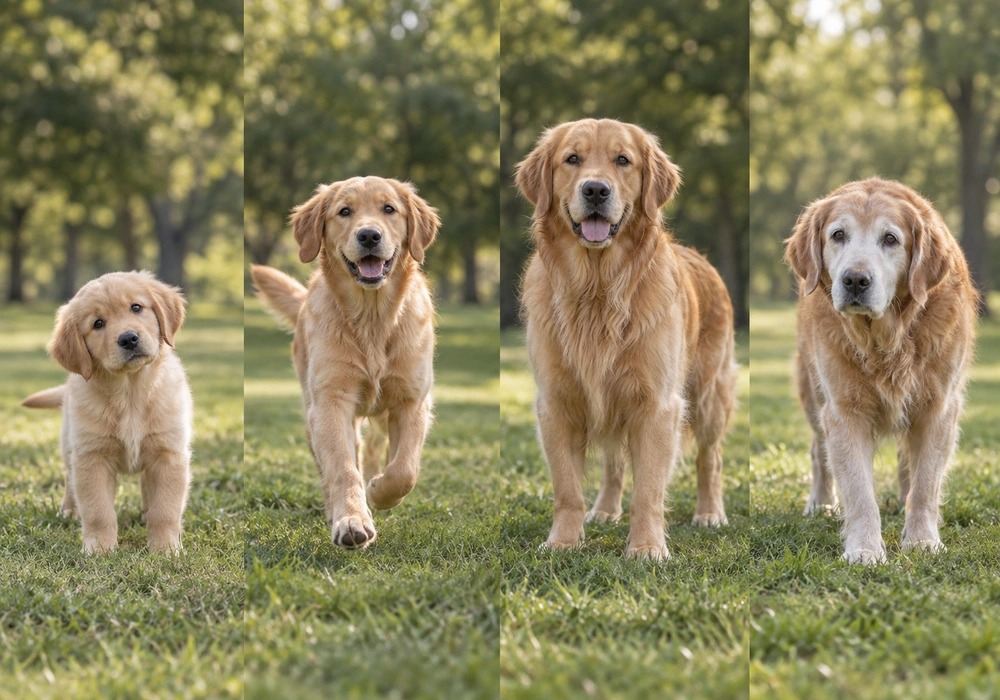
What Are Common Dog Behavior Changes with Age
Canine behavior and healthy aging Common Dog Behavior Changes with Age: What Is Normal and What Is Not? Dogs change throughout life, but age alone does not explain every new
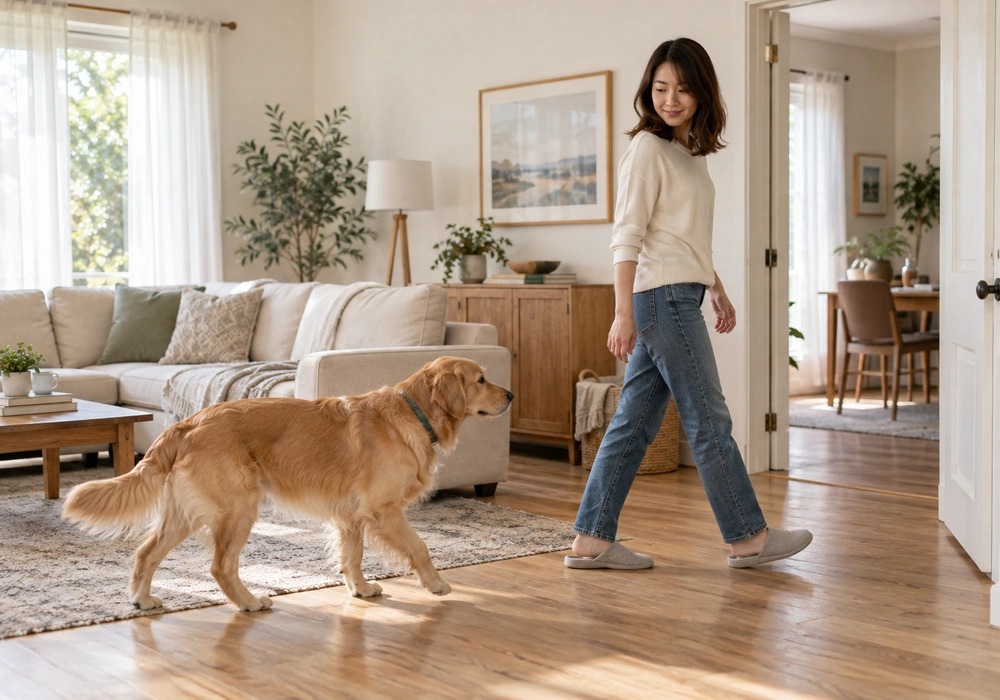
Why Does My Dog Follow Me Everywhere?
DOG BEHAVIOR GUIDEIf you keep wondering, "Why does my dog follow me everywhere?", the answer is often quite ordinary: you are the safest and most rewarding part of your dog's
Hormonal Behavior in Dogs: Causes, Signs, and What to Do
Canine behavior and health guide Hormonal Behavior in Dogs: Causes, Signs, and What to Do Hormones can influence marking, roaming, mounting, nesting, appetite, sleep, and emotional responses. They are only