
Hearing a diagnosis of heart failure can feel like the world is shifting under your feet. It’s natural to feel a rush of worry, but it’s important to remember that this isn’t a sudden ending—it’s simply a shift in how you care for your best friend. With the therapeutic options available in 2026, congestive heart disease dogs aren’t just “getting by”; many continue to enjoy sun-drenched naps and gentle walks for a long time to come.
Rather than feeling helpless, you can take control by making a few intentional adjustments to your daily routine. Below, we’ll walk through the practical changes you can start today—from simple home monitoring to smarter feeding—to keep their heart strong and their tail wagging.

1. Precise Medication and Monitoring
Medication adherence is the most critical factor. Beyond following your vet’s prescription, you must track the Resting Respiratory Rate (RRR). This is the single most accurate predictor of an impending heart crisis.
Always count breaths when your dog is in a deep, peaceful sleep. A rate consistently below 30 breaths per minute indicates that the heart and lungs are managing well under the current treatment.
2. Revolutionary Nutritional Management
Sodium is the enemy of congestive heart disease dogs. Salt leads to water retention, which puts immense pressure on a weakened heart. Switching to a cardiac-specific diet is non-negotiable in 2026.
| CATEGORY | SAFE / LOW SODIUM | AVOID / HIGH SODIUM |
|---|---|---|
| Treats | Carrots, Apple slices (no seeds) | Cheese, Bacon, Jerky |
| Pantry Items | Unsalted Peanut Butter | Canned Veggies with salt |
| Fresh Meat | Plain boiled chicken/turkey | Deli meats, Hot dogs, Ham |
| Key Metric | Target: < 0.2% Sodium on a dry matter basis. | |
3. Safe and Tailored Exercise
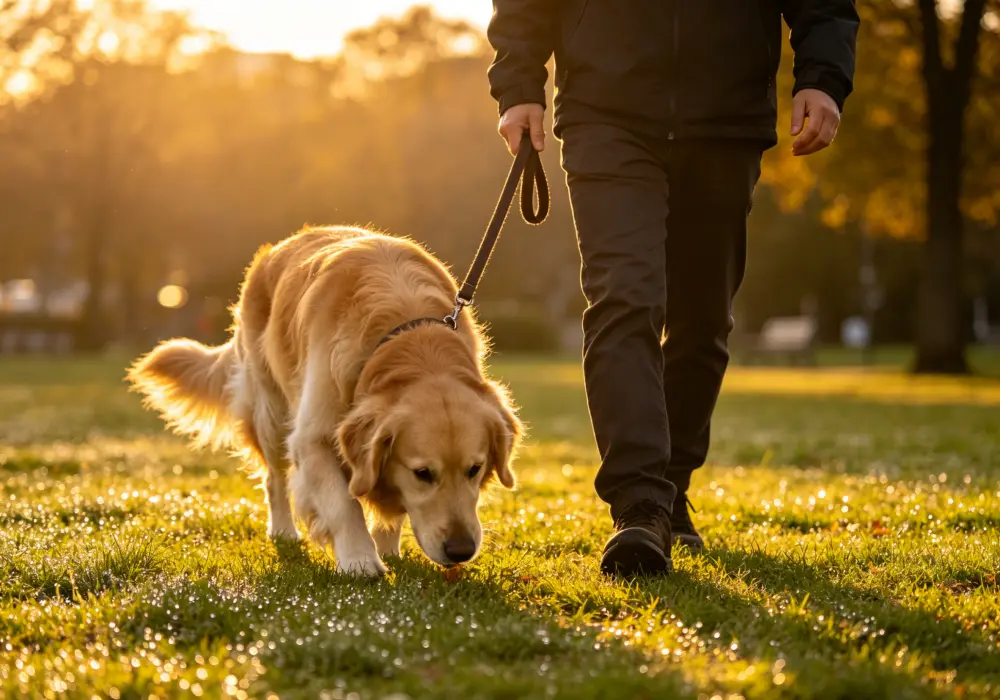
A dog with heart disease should not be over-exerted. Limit walks to short, leisurely strolls during the coolest parts of the day. If your dog stops, pants heavily, or sits down, it’s time to head home. The goal is gentle movement without straining the cardiovascular system.
4. Recognizing Daily Warning Signs
Early intervention saves lives. In addition to the RRR chart, watch for a soft “cardiac cough” (especially at night), decreased appetite, or sudden fainting spells. If these symptoms worsen, it often means the medication needs adjustment.
5. Partnership with Your Veterinary Team
Your cardiologist is your best ally. Regular blood work and echocardiograms are essential to monitor how congestive heart disease dogs respond to medications. These drugs can impact kidney health, so consistent monitoring ensures a safe balance.
Furthermore, because these dogs often have compromised immune systems, hygiene is paramount. Educating yourself on diseases you can get from dogs helps you maintain a safe environment, protecting both your health and the delicate health of your companion.
Emergency Intervention Required If:
- Tongue or gums turn purple or blue (cyanosis).
- Severe, continuous coughing or gagging.
- Open-mouth breathing or gasping for air at rest.
- Sudden collapse or inability to stand.
Your Role: A Loving Guardian
Caring for a dog with congestive heart failure is undoubtedly a challenging journey. It requires your attention, patience, and a commitment to learning. But remember, every effort you make—every on-time medication, every carefully prepared meal, and every careful observation—directly translates into a more comfortable, higher-quality day for your beloved dog.
Download PDF: 5 Essential Tips for Dogs with Congestive Heart Disease: A 2026 Care Guide
Related Articles
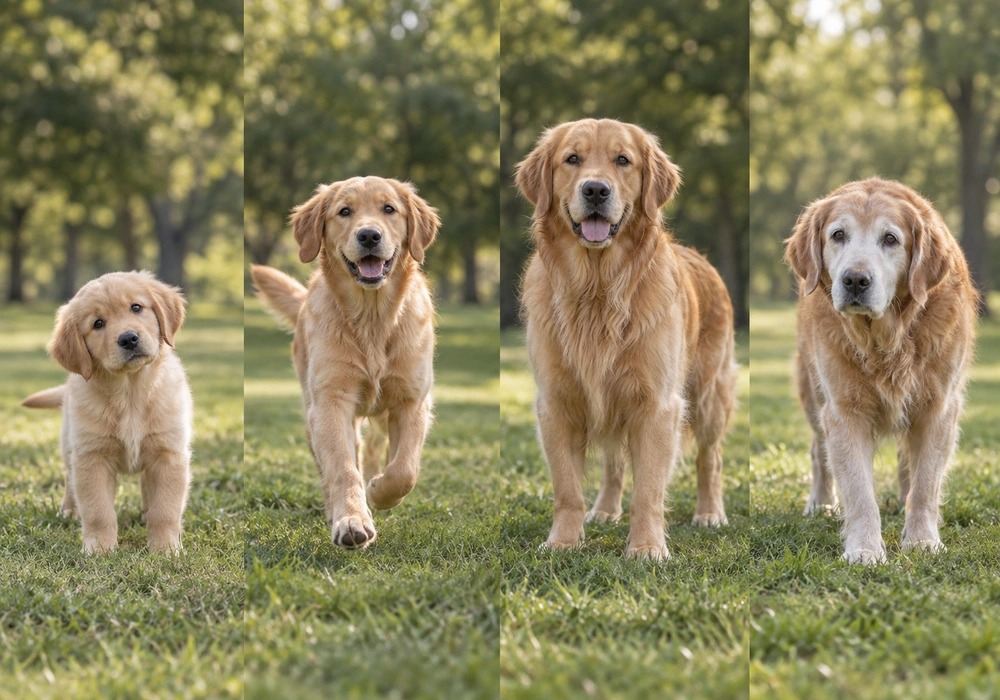
What Are Common Dog Behavior Changes with Age
Canine behavior and healthy aging Common Dog Behavior Changes with Age: What Is Normal and What Is Not? Dogs change throughout life, but age alone does not explain every new

Why Does My Dog Follow Me Everywhere?
DOG BEHAVIOR GUIDEIf you keep wondering, "Why does my dog follow me everywhere?", the answer is often quite ordinary: you are the safest and most rewarding part of your dog's
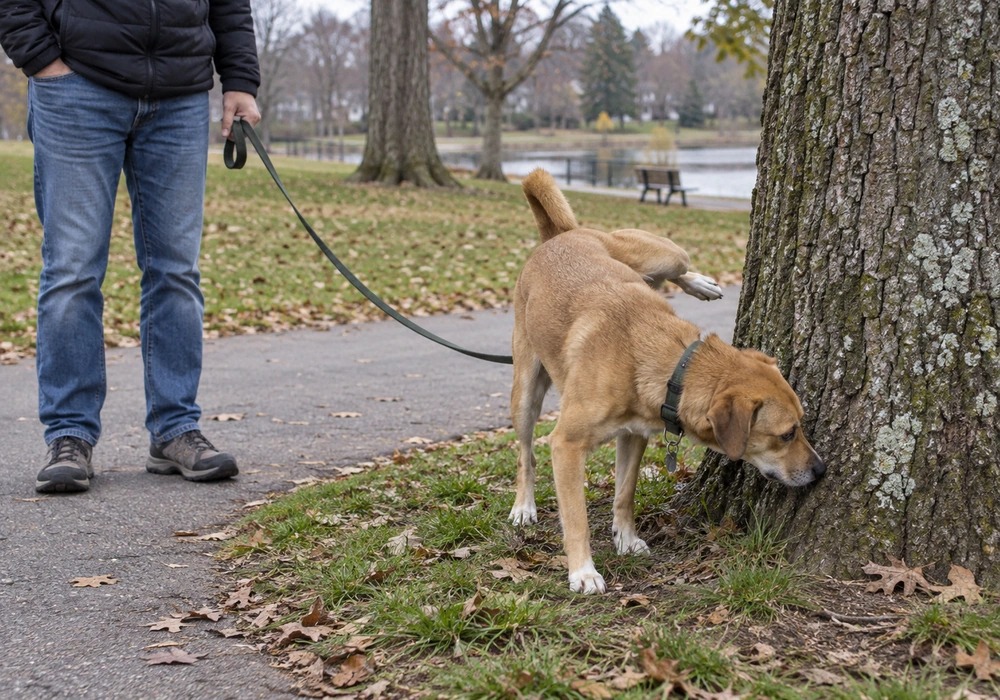
Hormonal Behavior in Dogs: Causes, Signs, and What to Do
Canine behavior and health guide Hormonal Behavior in Dogs: Causes, Signs, and What to Do Hormones can influence marking, roaming, mounting, nesting, appetite, sleep, and emotional responses. They are only