
To truly understand canine behavior, we must first accept that dogs communicate through an intricate, non-verbal system of poses, tensions, and micromovements. When owners label a dog as “bad” or “stubborn,” they are usually misinterpreting a biological signal. Most “nuisance” behaviors are, in fact, functional responses to a lack of mental enrichment.
In the study of modern canine behavior, chronic boredom is treated as a psychological emergency. A dog is an active biological entity; when that energy has no constructive exit, it inevitably flows into destructive patterns.

6 Warning Signs of Boredom in Canine Behavior
1. Purposeless Pacing
Walking with glazed eyes or moving without a clear destination reveals internal restlessness and a need for mental stimulation.
2. Sensory Chewing
Biting inanimate objects provides tactile feedback that temporarily soothes a brain starved of engagement.
3. Non-Targeted Barking
Vocalizing at the air or walls isn’t an alert; it’s a “venting” mechanism for pent-up energy that has nowhere to go.
4. Stereotypic Licking
Repetitive licking of paws or surfaces is a classic coping mechanism seen in environments lacking complexity.
5. Frantic Digging
Shoveling at carpets or mats is an instinctive drive for activity when traditional outlets aren’t available.
6. The Silent Appeal
Staring intensely at an owner for long periods is a dog’s way of asking for a meaningful task or interaction.
Decoding Intent through Canine Behavior
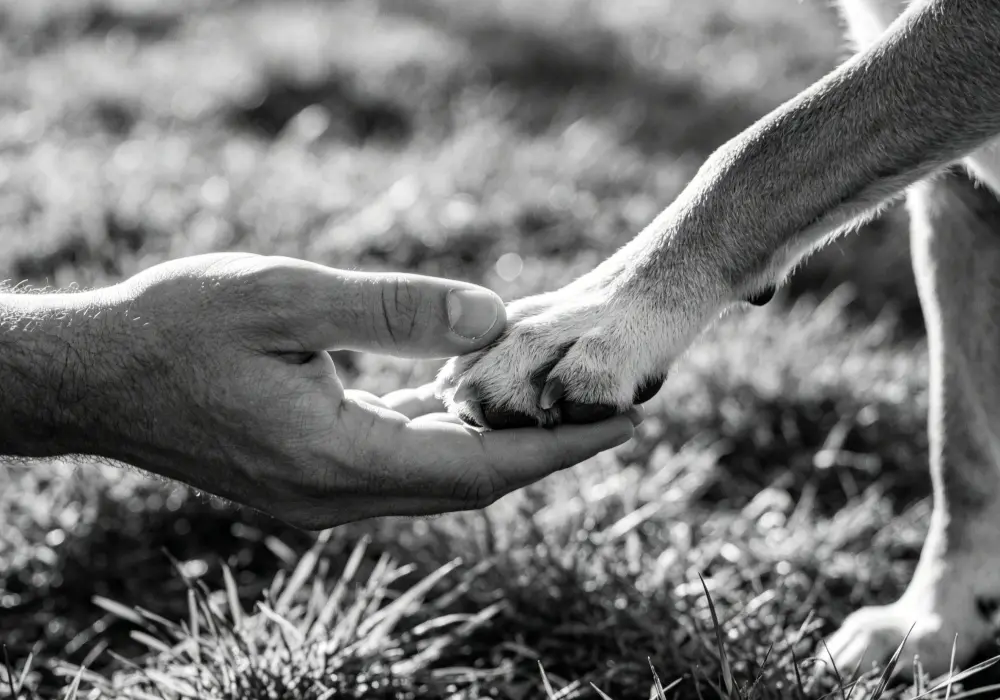
Analyzing a dog’s emotional state requires a holistic view. Every part of the body—from the tension in the spine to the dilation of the pupils—contributes to the wider narrative of their canine behavior.
Science-Based Intervention
If you’ve identified negative patterns in your dog’s canine behavior, the solution is rarely “more exercise.” Physical fatigue does not equate to mental satisfaction.
Prioritize mental decompression. Swap the mindless ball-throwing for scent games and puzzle work. By addressing the psychological roots of their actions, you stabilize their baseline and foster a calmer, more focused companion.
Related Articles

Beyond the Bark: Decoding the Complex World of Canine Behavior.
To truly understand canine behavior, we must first accept that dogs communicate through an intricate, non-verbal system of poses, tensions, and micromovements. When owners label a dog as "bad"

How to Keep Your Reactive Dog Calm in Public Spaces
Walking a reactive dog often feels less like a relaxing pastime and more like a high-stakes tactical exercise. You grip the leash tightly, eyes constantly scanning every corner—fearful of

How to Train Your Dog to Overcome Resource Guarding
It starts with a stiffened neck, a low rumble, or a quick snap when you reach for a discarded toy. For many owners, witnessing resource guarding for the first