
Welcoming a dog into your life is more than just adding a pet to your home; it’s the start of a deep, lifelong commitment. While the initial joy of puppy snuggles is what brings us in, keeping a dog healthy and thriving for the long haul requires a bit more than just love and kibble. To truly care for a dog, we need to look at their world as an ecosystem—where high-quality nutrition, mental challenges, and regular vet checkups all work together. By setting clear boundaries and staying proactive about their health, you’re not just following a routine; you’re building a partnership of trust that ensures your companion stays happy and energetic for years to come.
Core Principles
The Nutritional Architecture
Why dietary consistency is the silent engine of canine longevity?
A dog’s physiology is remarkably adapted to routine. Unlike the human digestive system which often craves variety, a dog’s gut microbiome thrives on a stable influx of high-quality nutrients. When we discuss instructions on how to take care of a dog, nutrition sits at the center of the conversation. Selecting a diet that is high in bioavailable proteins and low in inflammatory fillers is the first step in preventing metabolic decline.
Beyond the ingredients, the methodology of feeding is crucial. Controlled feeding windows allow the body to enter a digestive rest state, which helps regulate insulin levels and prevents obesity—a silent epidemic that significantly reduces a dog’s lifespan by placing undue stress on the heart and skeletal frame.
Wellness Distribution Model
Cognitive and Physical Equilibrium
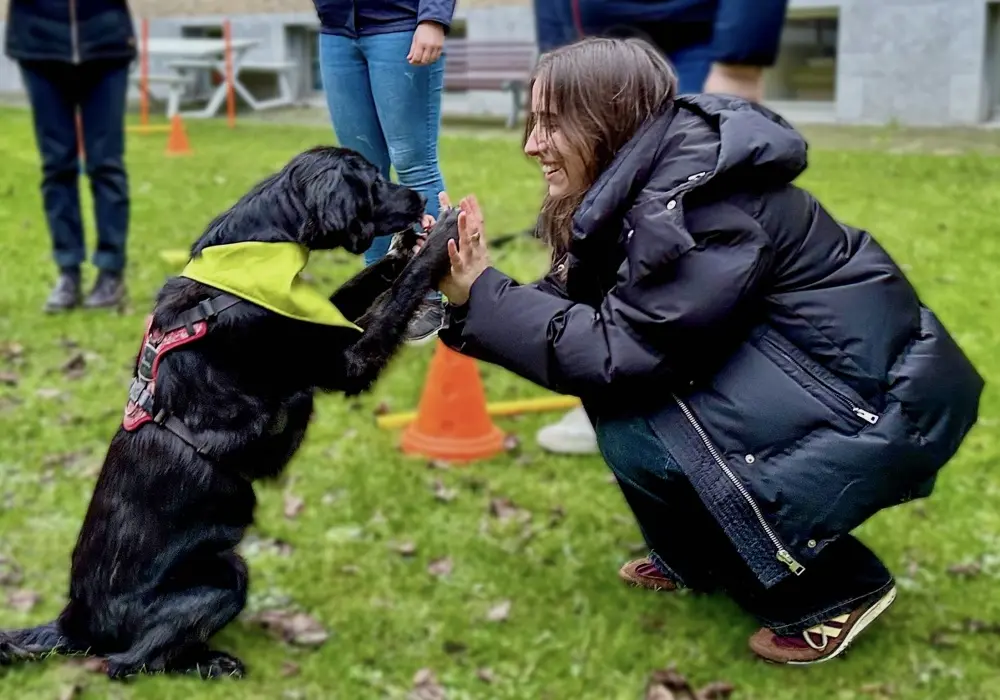
Exercise is often misinterpreted as merely walking a dog until it is tired. In reality, modern care instructions emphasize ‘quality of exertion’ over ‘quantity of movement.’ A twenty-minute session of scent work or interactive training can provide more neural benefits than an hour of mindless running. This is because cognitive engagement lowers stress-related hormones like cortisol, leading to a calmer, more settled pet in the home.
Socialization, too, is a lifetime requirement. It is not just for puppies. Continual, positive exposure to new environments, sounds, and people keeps a dog’s brain plastic and resilient against the fears that often plague senior pets.

The Long-Term Perspective
As your journey with your dog progresses, you will find that these instructions are less about rigid rules and more about developing a language of care. A dog’s needs will shift as they move from the boundless energy of youth to the quiet dignity of old age. The true master of canine care is not the one who follows a checklist perfectly, but the one who remains observant enough to know when the checklist needs to change. Honor their loyalty with your vigilance, and you will be rewarded with a companion who is not only healthy but truly fulfilled.
Related Articles

What To Expect When Having Your Dog Put Down To Prepare Peacefully
Making the decision to say goodbye to your dog is one of the hardest things you will ever do. The phrase "put down" can feel cold and clinical, but
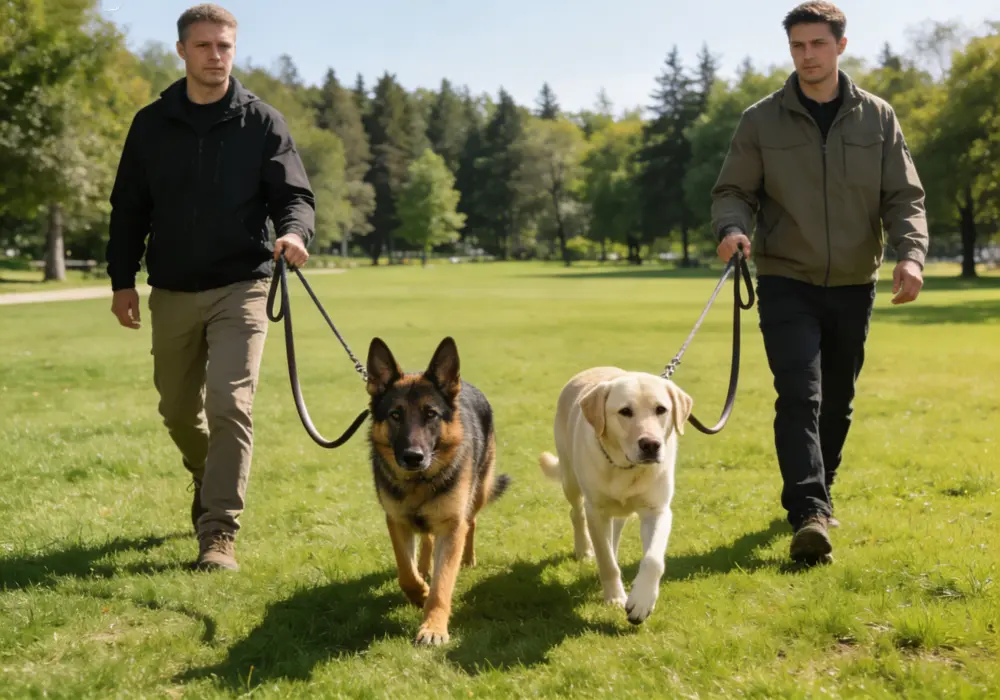
Training Dogs To Get Along With Each Other A Step By Step Guide
Bringing a second dog into your home doubles the potential for joy—but it can also instantly double the domestic tension if introductions go wrong. Whether you are introducing an

Best Way To Keep Dogs Safe In Car And Essential Travel Gear
The simplest, most unfiltered truth about car travel with a dog is this: the absolute best way to keep dogs safe in car compartments is to never leave them