
Bringing a puppy dog into your life is more than just a home upgrade; it is a profound psychological and physical commitment that begins with a chaotic, 12-month developmental sprint. This period, often called the “Foundational Year,” dictates the temperament, health, and social stability of your pet for the next decade. As a new puppy dog owner, you are navigating a landscape of rapid physiological growth, critical socialization windows, and the high-stakes responsibility of preventive healthcare.
Phase 1: High-Priority Essentials
Before the “Gotcha Day,” your primary goal is environmental management. A puppy dog experiences the world through their mouth, meaning every loose wire or stray sock is a potential hazard. This is where pet care 101 begins.
Phase 2: The Medical Milestone
The first time puppy vet visit is the most critical appointment in your dog’s young life. It is not just about shots; it is about screening for congenital issues, heart murmurs, and internal parasites that could stunt your puppy dog’s growth.
Phase 3: The Psychology of Socialization
Most behavior problems in adult dogs stem from missed opportunities during the first 16 weeks. During this time, your puppy dog’s brain is like a sponge, but it is also highly susceptible to trauma.

Phase 4: Scientific Feeding
Most behavior problems in adult dogs stem from missed opportunities during the first 16 weeks. During this time, your puppy dog’s brain is like a sponge, but it is also highly susceptible to trauma.
Frequently Asked Questions (FAQ)
The Journey of Companionship
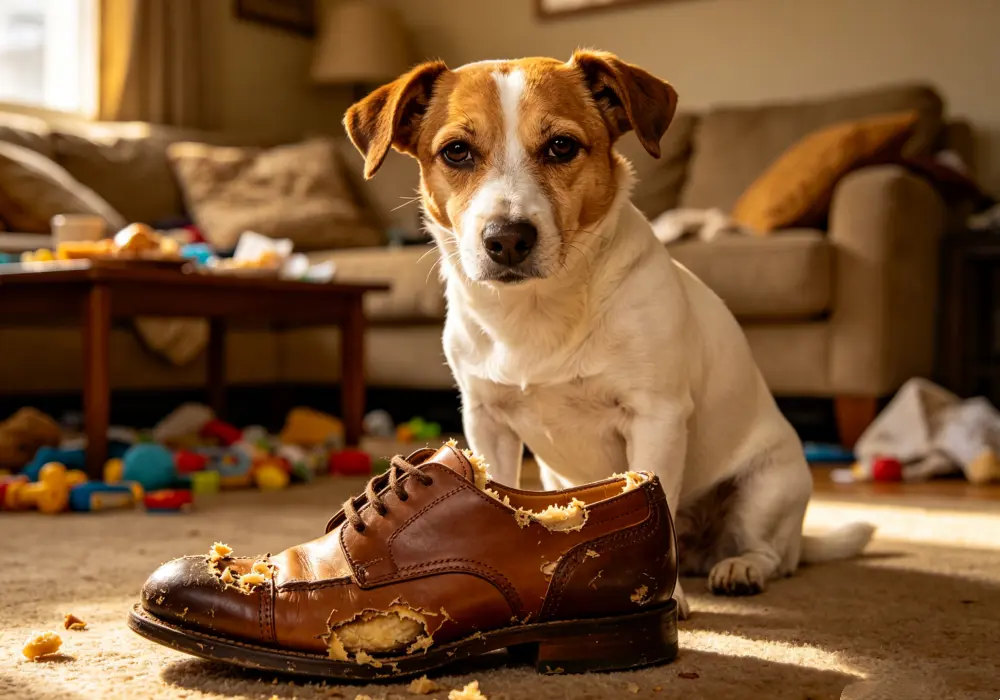
Caring for a puppy dog is a marathon, not a sprint. There will be sleepless nights and chewed shoes, but the rewards are a loyal companion who will love you unconditionally.
Download PDF: How to Care for Your New Puppy Dog Effectively
Related Articles
What To Expect When Having Your Dog Put Down To Prepare Peacefully
Making the decision to say goodbye to your dog is one of the hardest things you will ever do. The phrase "put down" can feel cold and clinical, but
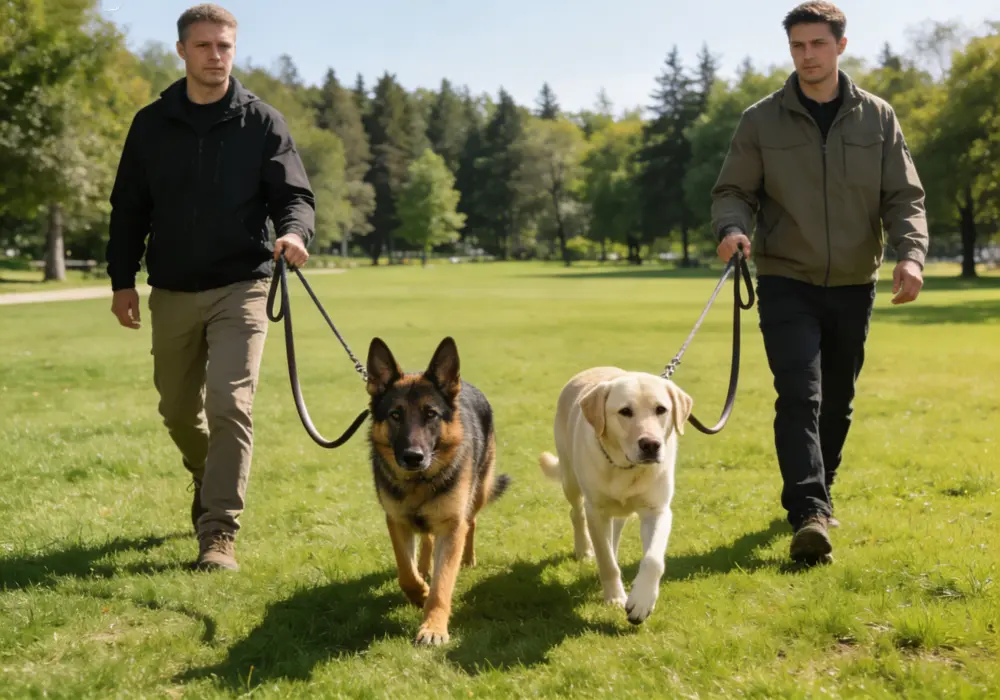
Training Dogs To Get Along With Each Other A Step By Step Guide
Bringing a second dog into your home doubles the potential for joy—but it can also instantly double the domestic tension if introductions go wrong. Whether you are introducing an
Best Way To Keep Dogs Safe In Car And Essential Travel Gear
The simplest, most unfiltered truth about car travel with a dog is this: the absolute best way to keep dogs safe in car compartments is to never leave them