
Walking a reactive dog often feels less like a relaxing pastime and more like a high-stakes tactical exercise. You grip the leash tightly, eyes constantly scanning every corner—fearful of another dog, a running child, or a sudden loud noise. When the dog finally loses control, barking or lunging, feelings of embarrassment, frustration, and even shame can be overwhelming.
First, set aside these psychological burdens. Your reactive dog is not “bad” or “disobedient”; they are likely overwhelmed by fear, anxiety, or over-excitement, unsure of how to cope with a complex world. This guide provides practical tools to help you see the world through your dog’s eyes.
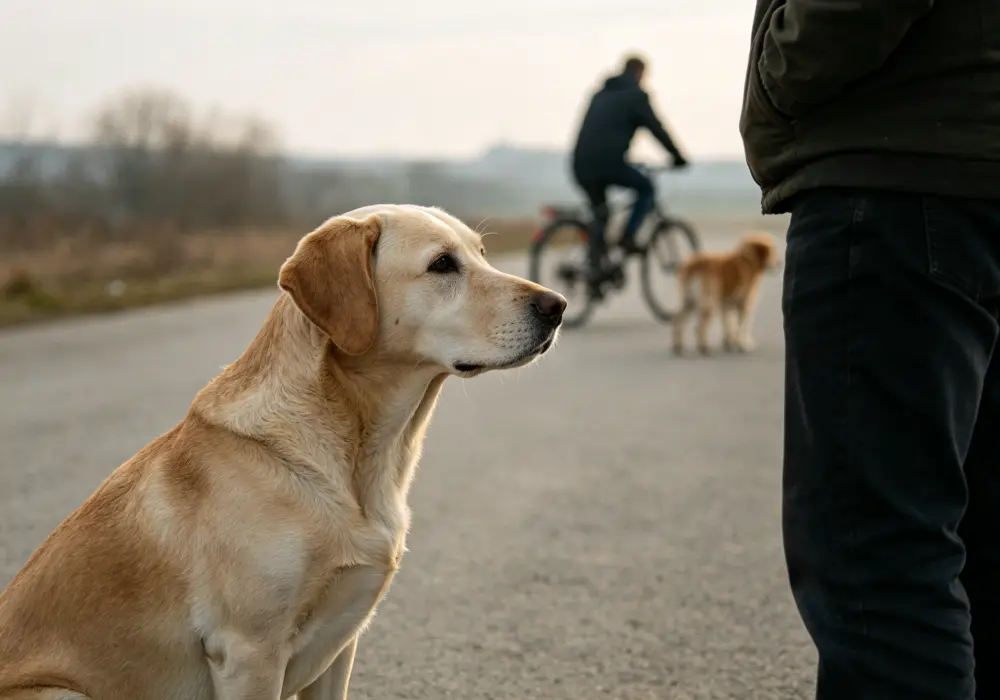
Understanding Reactivity: Threshold Management & Tool Selection
To successfully manage a reactive dog, you must master the concept of the “Threshold.” This is the distance at which a dog can see a trigger but still remain calm and accept rewards. Choosing the right training tools at different stages not only ensures safety but also assists in behavior modification.
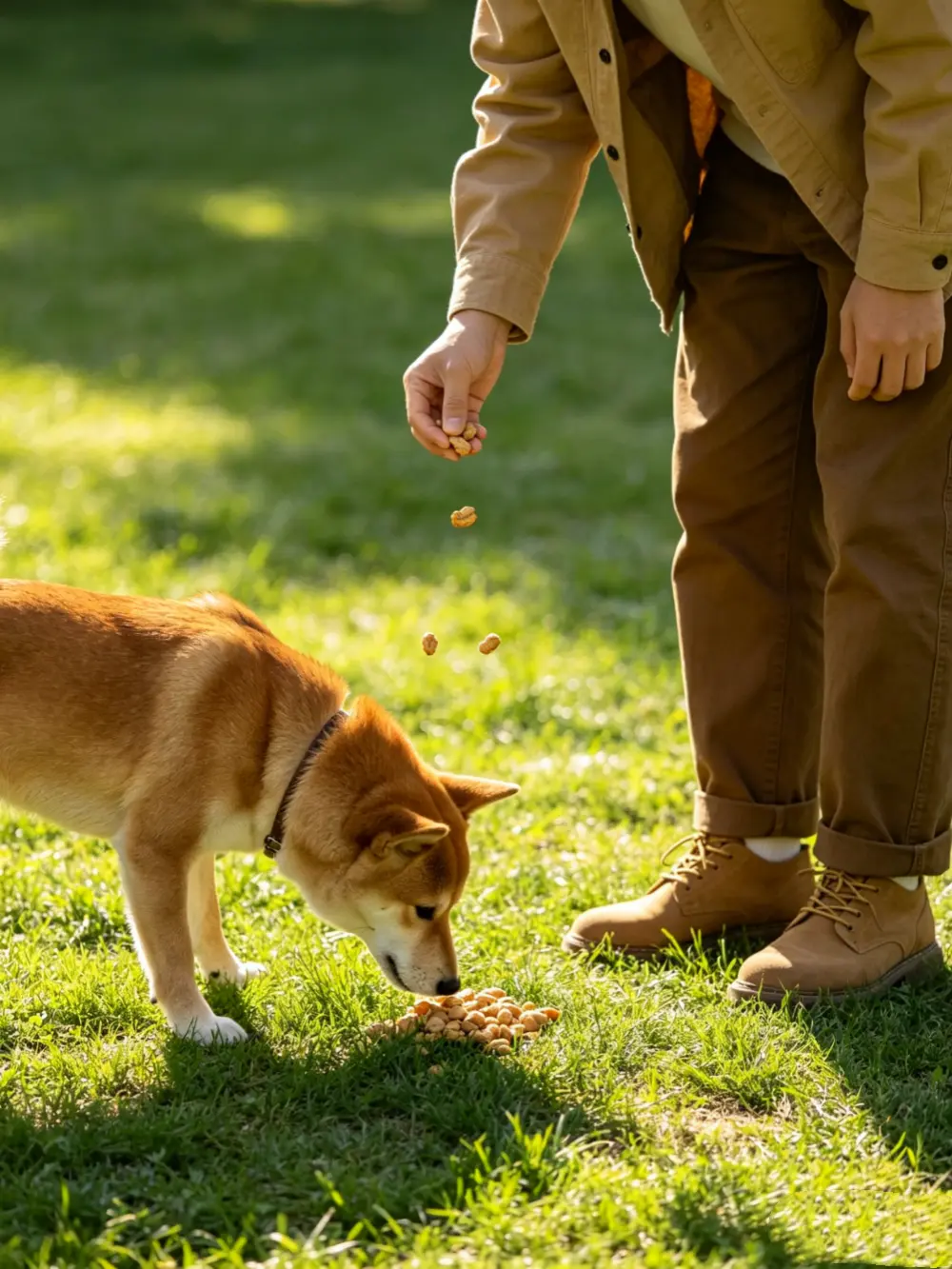
Management Techniques for Public Settings
1. The “Find It” Game
When you spot a trigger approaching, say “Find it!” and toss several high-value treats on the ground. This encourages the reactive dog to use their nose and lower their head, which is physiologically incompatible with lunging and helps lower their heart rate.
2. Master the “Emergency U-Turn”
Don’t wait for a confrontation. Practice smooth 180-degree turns at home. Outdoors, if you anticipate an unavoidable trigger, execute a smooth U-turn to prevent a “standoff” situation.
Frequently Asked Questions (FAQ)
The Path to Peaceful Walks
Our dogs cannot speak to tell us what is wrong, so their behavior becomes their voice. A sudden change is rarely an act of rebellion; it is a plea for help. By approaching these changes with curiosity rather than frustration, and by systematically ruling out medical issues before addressing behavioral ones, you become the advocate your companion needs. Patience and observation are your most powerful tools in navigating this challenge.
Download PDF: How to Keep Your Reactive Dog Calm in Public Spaces
Related Articles
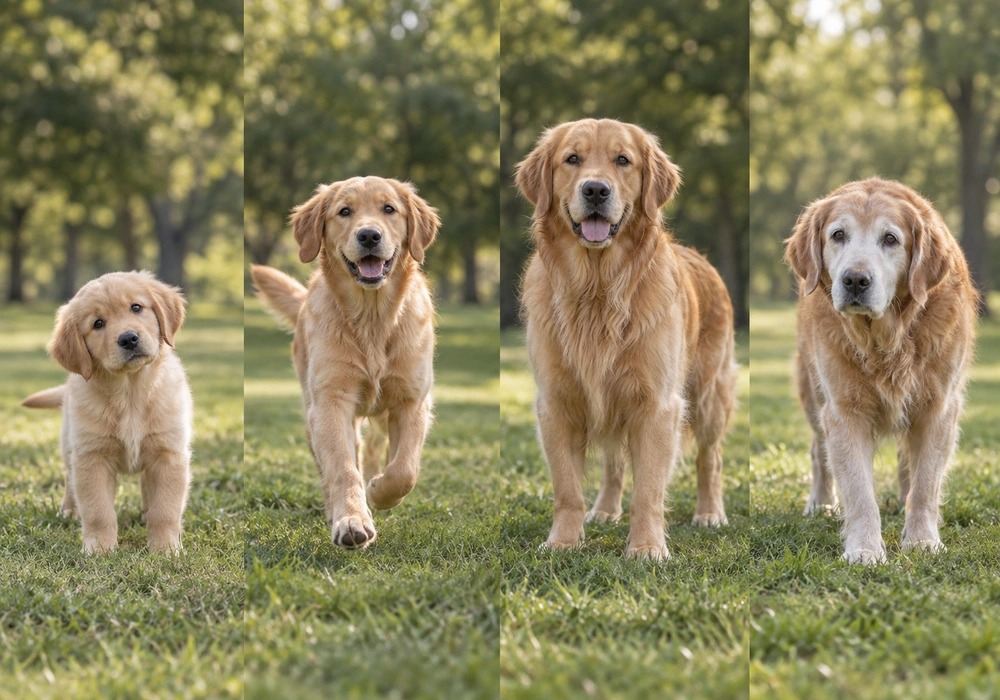
What Are Common Dog Behavior Changes with Age
Canine behavior and healthy aging Common Dog Behavior Changes with Age: What Is Normal and What Is Not? Dogs change throughout life, but age alone does not explain every new
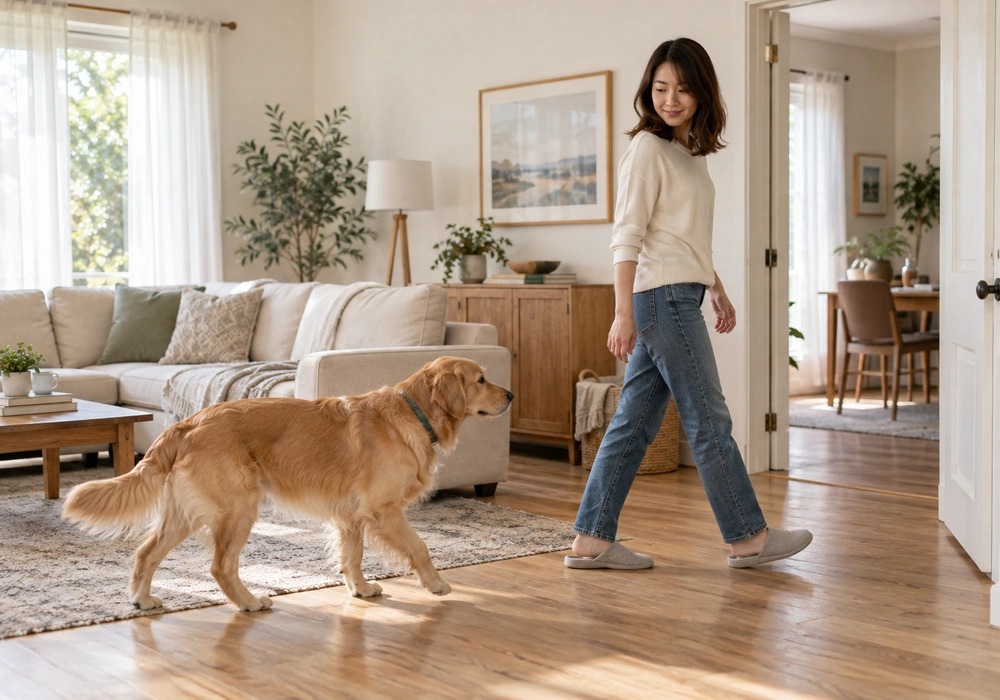
Why Does My Dog Follow Me Everywhere?
DOG BEHAVIOR GUIDEIf you keep wondering, "Why does my dog follow me everywhere?", the answer is often quite ordinary: you are the safest and most rewarding part of your dog's
Hormonal Behavior in Dogs: Causes, Signs, and What to Do
Canine behavior and health guide Hormonal Behavior in Dogs: Causes, Signs, and What to Do Hormones can influence marking, roaming, mounting, nesting, appetite, sleep, and emotional responses. They are only