
Few things spark more immediate concern for a dog owner than the sight of chronic, un-scoopable puddles on the lawn. It is a clear, physical warning sign that your dog’s gastrointestinal tract is trapped in a state of active inflammation. While an occasional soft stool can easily result from dietary indiscretion or temporary environmental stress, recurrent loose stools typically point to underlying food sensitivities, protein allergies, or microflora imbalances.
When these digestive crises strike, switching to a highly targeted dog food for loose stools can be truly transformative, acting simultaneously as a diagnostic elimination tool and a therapeutic solution. However, gastrointestinal issues don’t just disrupt your dog’s gut; chronic cramping and abdominal distress are leading triggers for a dog misbehaving all of a sudden due to constant physical discomfort.
Forget the marketing hype on the front of the bag. When your dog’s gut is in a tailspin, you have to look past the buzzwords and focus on actual canine nutrition. We’re cutting through the noise to look at what truly calms an inflamed stomach, breaking down five top-performing options—from gold-standard veterinary prescription diets to the latest over-the-counter formulas that deliver real results.
Understanding the Root Cause: Why Diet Matters
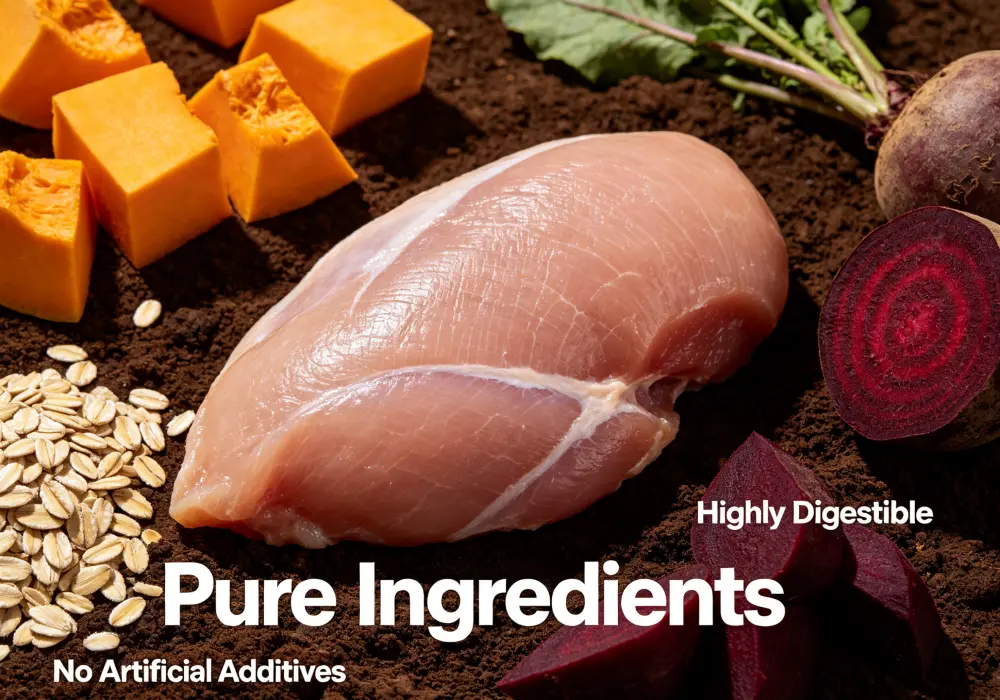
Before selecting a specialized diet, it is vital to acknowledge that a loose stool is a symptom, not a final diagnosis. To select the most effective dog food for loose stools, you must first understand the primary triggers driving the intestinal hypermotility:
- Severe Food Allergies and Intolerances: Inflammatory immune reactions triggered by ubiquitous, heavily processed storage proteins like standard factory beef, chicken, dairy, or specific gluten-heavy grains like wheat and corn.
- Inadequate Protein Digestibility: Low-grade meat byproducts, excessive fillers, or volatile fat fractions that the canine pancreas and small intestine cannot efficiently break down, forcing unabsorbed molecules to ferment in the colon.
- Gut Microbiome Dysbiosis: A radical collapse of beneficial gut flora combined with an overgrowth of opportunistic, pathogenic bacteria inside the intestinal lining.
- Inflammatory Bowel Disease (IBD): Chronic, systemic structural inflammation of the gastric mucosa that demands highly specialized, clinically molecular nutrition to heal.
How to Choose a Dog Food for Sensitive Stomachs
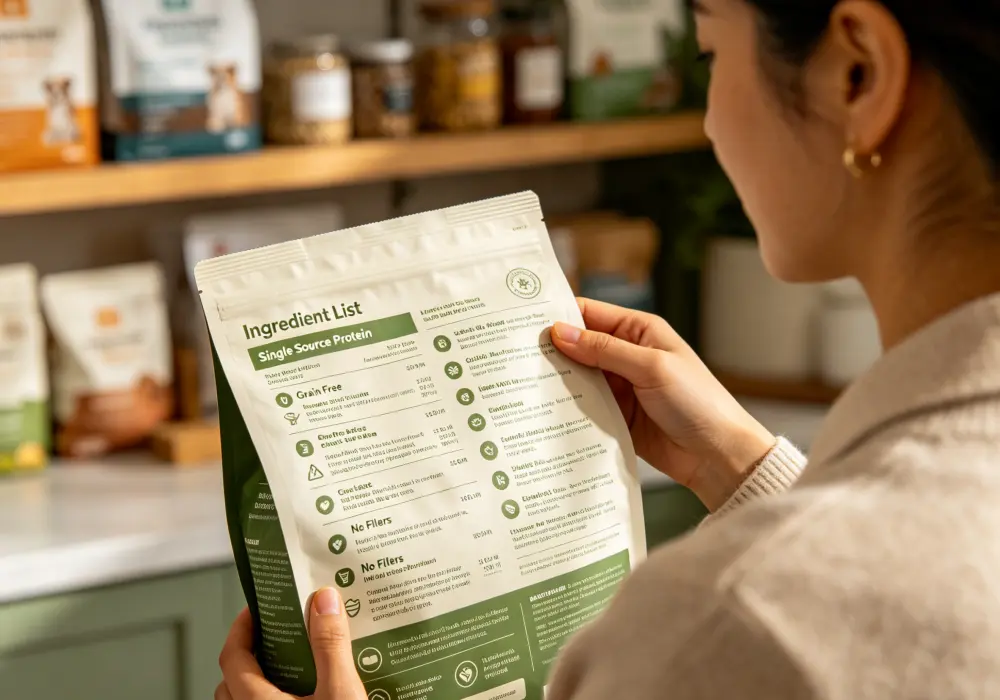
Based on current veterinary gastroenterology standards and 2026 market insights, an effective dog food for loose stools must incorporate advanced biological features to systematically stabilize a compromised gut:
The 5 Best Dog Foods for Loose Stools in 2026
Based on current veterinary gastroenterology standards and 2026 market insights, an effective dog food for loose stools must incorporate advanced biological features to systematically stabilize a compromised gut:
1. Royal Canin Gastrointestinal Low Fat (GI LF)
Best For: Chronic diarrhea, clinical pancreatitis, or hyperlipidemia conditions.
This veterinary-exclusive therapeutic formula represents the gold standard for clinical management of severe acute or chronic diarrhea. Because fat malabsorption is a leading driver of fluid retention in the colon, Royal Canin keeps the lipid profile strictly minimal. The highly digestible proteins and refined prebiotics work together to optimize nutrient delivery while reducing the osmotic workload of the intestinal tract.
Key Assets: Hydrolyzed soy protein core, enriched prebiotic fibers (FOS), easily managed carbohydrate matrix (rice), and boosted electrolyte concentrations to combat potential dehydration from acute liquid stools.
2. Hill’s Prescription Diet i/d Digestive Care
Best For: Post-surgical recovery, acute gastroenteritis flares, and sensitive GI tracks.
A foundational cornerstone in prescription veterinary nutrition, Hill’s i/d is specifically engineered to support fast mucosal healing. Its standout clinical feature is ActivBiome+ Technology—a proprietary, researched blend of premium prebiotic fibers that rapidly fuels beneficial gut microbes, producing short-chain fatty acids that actively repair the intestinal wall.
Key Assets: ActivBiome+ fiber matrix, easily absorbed chicken meal and ground rice foundation, enriched Omega-3 fatty acids (EPA/DHA), and clinical-grade antioxidant concentrations (Vitamins C & E).
3. Bernese Tian Chun Shu Chun Series (Duck & Pear / Chicken)
Best For: Non-prescription management of “glass stomachs” and intense food intolerances.
This advanced line represents a major milestone in non-prescription options for sensitive stomachs. By focusing on advanced biotechnology, it pairs enzyme-hydrolyzed fresh meats with postbiotic cultures. Because the proteins are already broken down into smaller molecular weights, they are easily absorbed without irritating the gut wall. The addition of active postbiotics helps soothe local inflammation faster than traditional probiotics.
Key Assets: 100% enzyme-hydrolyzed single-source meat, pre-and-postbiotic matrix, added targeted digestive enzymes (protease, amylase), grain-free and zero-artificial-filler architecture.
4. Chanbuni Probiotic Diet or Chonglv Grain-Free Series
Best For: Everyday gut maintenance and budget-conscious long-term digestive care.
For owners looking for an affordable everyday dog food for loose stools, Chanbuni and Chonglv offer excellent maintenance support. Chonglv uses rare single proteins like black chicken combined with enzyme hydrolysis to achieve a high digestibility rating. Chanbuni focuses heavily on active microbiome support, guaranteeing 3 billion CFU/kg of stable probiotics alongside prebiotics to quickly optimize stool consistency.
Key Assets: High animal protein inclusion ratios (>70%), high active probiotic strains, grain-free base, added functional prebiotics (FOS/MOS).
5. Orijen Single Protein Series (Tundra / Regional Red)
Best For: High-protein requirements combined with severe common protein allergies.
If your dog thrives on a rich, biological diet but suffers from reactions to common proteins like factory chicken, Orijen’s Single Protein Series offers an exceptional limited-ingredient approach. By utilizing uncommon novel proteins (such as goat, wild boar, venison, or heritage pork), it allows sensitive dogs to enjoy premium nutrition without triggering systemic immune reactions.
Key Assets: Strictly limited novel animal proteins, 85-90% premium meat, organ, and cartilage inclusion, grain-free, completely free of cheap plant concentrates.
Dog Food for Loose Stools: Nutrient Matrix
Use this clinical comparison table to quickly check the formula designs, main features, and target applications of the top dog foods for loose stools:
| DOG FOOD FORMULA | PRIMARY PROTEIN SOURCE | CORE GUT TECHNOLOGY | PRIMARY INTESTINAL TARGET | PRESCRIPTION? |
|---|---|---|---|---|
| Royal Canin GI Low Fat | Hydrolyzed Soy Isolate | Highly refined fibers, ultra-low lipid profile, osmotic moisture control. | Severe chronic diarrhea, clinical pancreatitis, fat malabsorption flares. | YES |
| Hill’s Prescription i/d | Easily Absorbed Chicken Meal | ActivBiome+ prebiotic matrix to rapidly rebuild good colonic bacteria. | Acute gastroenteritis recovery, gastric surgery, high oxidative stress. | YES |
| Bernese Tian Chun | Enzyme-Hydrolyzed Duck/Chicken | Pre-digested fresh protein infrastructure paired with instant postbiotic support. | Hyper-reactive “glass stomachs,” persistent environmental food intolerances. | NO |
| Chanbuni / Chonglv | Black Chicken / Refined Poultry | 3 billion CFU/kg active probiotic strains paired with hydrolysis. | Mild-to-moderate chronic soft stools, routine long-term gut maintenance. | NO |
| Orijen Single Protein | Novel Meats (Goat, Boar, Pork) | Biologically appropriate whole-prey ratios with zero standard allergy antigens. | Ubiquitous protein allergies, active dogs requiring low-carb grain-free bases. | NO |
How to Transition Foods Safely
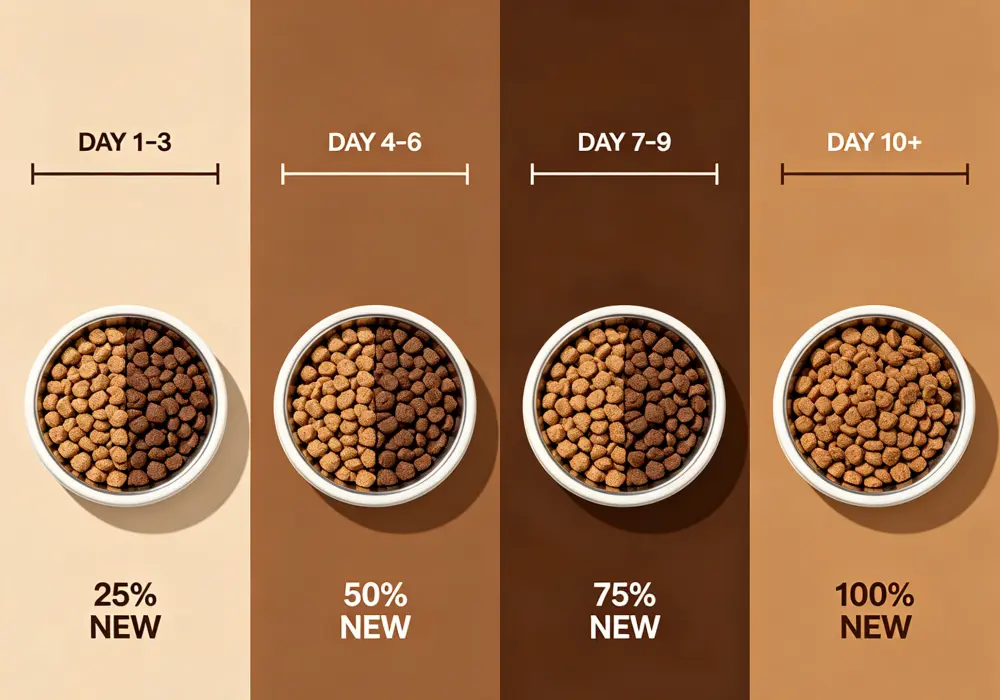
A sudden dietary switch will shock a sensitive gut and worsen loose stools. Always transition over a 7-to-10 day window:
- Days 1-3: 25% new specialized food mixed with 75% old food.
- Days 4-6: 50% new specialized food mixed with 50% old food.
- Days 7-10: 75% new specialized food mixed with 25% old food, leading to a 100% switch.
When to See a Veterinarian
Dietary adjustment is a powerful tool, but it is not a cure-all for deep biological pathology. Seek immediate veterinary diagnostics if your pet shows:
- Dark red blood or translucent mucus strands within the waste.
- Persistent vomiting, continuous dry heaving, or fluid rejection.
- Acute lethargy, total loss of appetite, or severe dehydration.
- Zero quality improvement after 3 full weeks on a clean, specialized diet.
Restoring Digestive Peace
Choosing the right dog food for loose stools is a journey of careful observation, systematic clinical elimination, and patience. By partnering closely with your veterinarian to rule out deep systemic infections and focusing on formulas built around high digestibility, microbiome support, and clean ingredient lists, you can actively reverse chronic gastric inflammation.
Whether your dog’s specific condition requires the strict, clinically proven regulation of a veterinary prescription option like Royal Canin GI or Hill’s i/d, or benefits from the advanced biotech postbiotics found in Bernese Tian Chun, the ultimate goal remains identical: to provide high-quality nutrition that soothes the gut, turning mealtime back into a cornerstone of pure vitality and health.
Download PDF: 5 Best Dog Foods for Loose Stools
Related Articles

When to Switch Puppy to Adult Dog Food
Puppy nutrition guide When Should You Switch a Puppy to Adult Dog Food? The right time is based less on a birthday and more on your puppy's expected adult size,
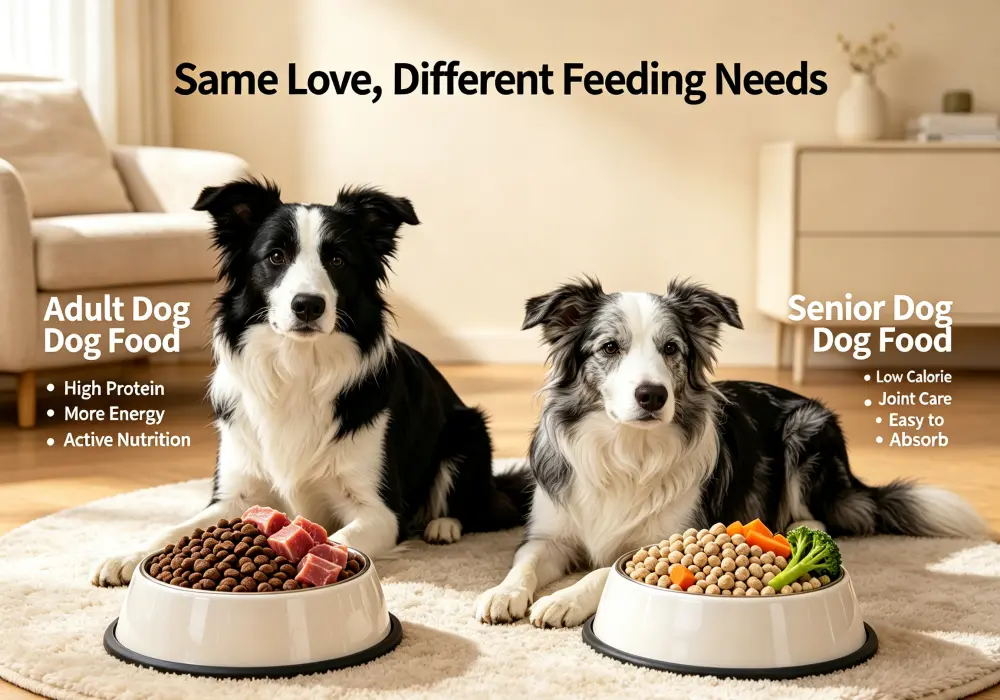
Adult vs. Senior Dog Food: What’s the Difference and When Should You Switch?
The difference between adult and senior dog food is rarely obvious from one ingredient or one number on the label. Adult food covers maintenance after growth. Senior formulas often try
How to Choose Dog Food for a Senior Golden Retriever
The gray muzzle often arrives before a Golden Retriever starts acting old. That can make a food change feel premature. Yet an older Golden may already be using fewer calories,