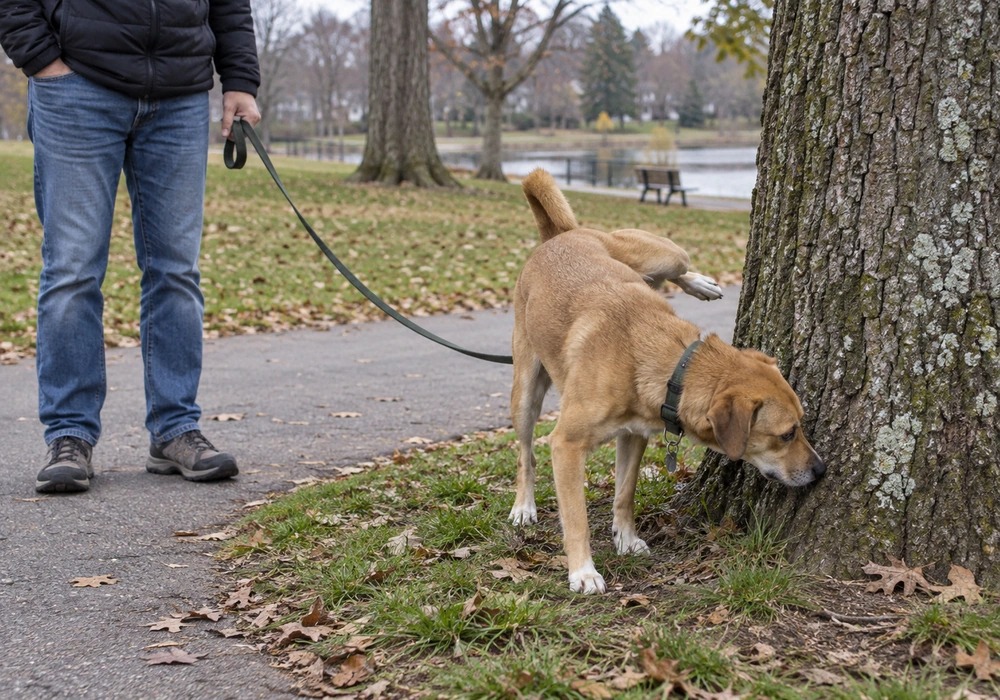
Why Is My Dog Misbehaving All of a Sudden?

One day, your well-behaved companion is following the house rules perfectly; the next, it’s as if an invisible switch has been flipped. The dog that never had an accident is suddenly soiling the living room carpet. Your calm, friendly pup is now growling at familiar guests or barking incessantly at empty corners. The sudden destruction of a favorite couch pillow or a newfound reluctance to be touched can leave you feeling deeply confused, frustrated, and worried.

Before you assume this is a deliberate act of defiance or a training regression, take a deep breath. Dogs do not act out of spite or plan revenge. When you face a situation where your dog misbehaving all of a sudden disrupts your home, it is almost always a physical or emotional symptom, not a conscious choice. This is your dog’s primary way of communicating that something is fundamentally wrong.

By shifting your perspective from frustration to curious detective work, you can decode their behavior. This guide breaks down the five most common root causes behind sudden behavioral shifts, giving you a clear, science-backed roadmap to restore balance and peace to your household.

dog misbehaving all of a sudden

The #1 Rule: Rule Out Pain and Illness First

This clinical rule cannot be overstated. Any sudden behavioral change should first prompt a thorough visit to your veterinarian. Pain or internal discomfort from an undiagnosed medical condition is statistically the leading driver when you observe a dog misbehaving all of a sudden and acting out of character.

Common Medical Culprits

Conditions like osteoarthritis, acute dental disease, urinary tract infections (UTIs), gastrointestinal distress, deep ear infections, vision or hearing loss, thyroid imbalances, or neurological issues can instantly alter a dog’s general temperament and tolerance levels.

It is also vital to investigate breed-specific predispositions. For instance, as highlighted in our diagnostic guide to common golden retriever health issues, certain genetic conditions can present as sudden physical discomfort, manifesting as changes in your dog’s daily behavior.

How Physical Pain Manifests as “Misbehavior”:

  • Sudden Aggression or Snapping: A dog struggling with sore joints or a painful ear infection may growl or snap when touched in a tender spot, or react defensively when approached while resting because physical movement hurts.
  • Unexpected House Soiling: A sudden UTI or gastrointestinal distress creates an urgent, uncontrollable need to eliminate. Alternatively, severe arthritis may make the physical posturing too painful or make navigating the stairs to go outside too difficult to manage in time.
  • Pacing and Destructive Chewing: Chronic pain prevents restful sleep. A dog may pace restlessly, whine, or chew obsessively at objects (or their own body parts) to distract their mind from a constant dull ache.
  • Avoidance and Hiding: Withdrawing from family interactions, hiding under desks, or staying in dark closets is a classic survival instinct for a dog that does not feel well.

Action Step: Book a comprehensive veterinary exam immediately. Be highly specific about the exact timeline of the behavioral changes. Your vet may need to run diagnostic blood work, a urinalysis, or targeted X-rays to uncover the hidden physical trigger.

dog misbehaving all of a sudden

Fear, Stress, and Environmental “Trigger Stacking”

Dogs process fear and environmental changes differently than humans. A single scary event—or the compounding build-up of several low-grade stressors—can push a dog completely over their emotional tolerance threshold. If you are trying to manage a dog misbehaving all of a sudden, understanding this psychological threshold is crucial.

Understanding the “Stress Bucket” & Trigger Stacking

Imagine your dog has an internal “stress bucket.” Every minor stressor throughout the day adds water to the bucket. A loud garbage truck in the morning adds a splash. A visitor entering the home adds a bit more. A slight shift in your working schedule pours in another cup.

None of these individual events would cause your dog to react. However, if the stress bucket is filled to the brim, the next tiny, insignificant stressor—like a leaf blowing past the window—will cause the bucket to overflow. To you, your dog is suddenly reacting over nothing. In reality, you are witnessing the physical result of trigger stacking.

Subtle Warning Signs of Stress to Watch For:

Before a major behavioral outburst occurs, stressed dogs display subtle body language changes. Recognizing these can prevent a sudden reaction:

  • Excessive yawning or lip-licking when food is not present.
  • “Whale eye” (where the whites of the eyes are clearly visible in a half-moon shape).
  • Slight trembling, rapid shallow panting, or pinning their ears flat back against their head.
  • Refusing to take high-value treats that they normally love.

Changes in Routine, Household, or Social Dynamics

Dogs are passionate creatures of habit and thrive on environmental predictability. Significant disruptions to their daily flow can trigger deep-seated feelings of insecurity, leading to sudden, anxious behavioral displays.

Schedule Changes

A new job schedule, a family member leaving for college, or shifting walk and feed times can completely disorient your pet’s internal biological clock.

Household Shifts

Moving to a new house, major home renovations, welcoming a new baby, or grieving the loss of a human or animal companion changes the sensory landscape of the home.

Social Trauma

An intense, negative encounter with another dog during a walk, or being startled by a stranger, can leave lasting post-traumatic anxiety that alters how they react in public.

When an outdoor event triggers sudden outbursts, walking your pet can quickly become a stressful ordeal. If you are struggling with a pup that lunges, barks, or freezes around other dogs and strangers, check out our expert behavioral roadmap on How to Keep Your Reactive Dog Calm in Public Spaces to safely de-escalate their fear and rebuild outdoor confidence.

Unmet Physical and Mental Needs (Boredom & Frustration)

A sudden spike in destructive, noisy, or hyperactive behavior is often the direct result of pent-up energy. When owners face a dog misbehaving all of a sudden through destructive chewing, digging, or vocalizing, the root cause is frequently a simple mismatch between their energy output and their cognitive stimulation.

Boredom vs. Frustration: The Behavioral Split

Boredom-Driven Behaviors: When a dog has excess mental energy and zero outlet, they seek self-soothing behaviors. This includes destructive chewing (specifically targeting items that carry your comforting scent, like shoes or cushions), digging in carpet corners, or repetitive actions like chasing their tail.

Frustration-Driven Behaviors: This stems from a dog being physically prevented from achieving a goal (like reaching a stimulus). It manifests as sudden leash-reactivity during walks, barrier-frustration (charging fences or windows at passing dogs), or high-pitched demand barking directly at you.

Canine Cognitive Dysfunction (CCD) in Senior Dogs

If your dog is a senior (generally 8 years or older) and their sudden behavior changes include confusion, night waking, or getting stuck behind doors, you may be dealing with Canine Cognitive Dysfunction (CCD)—a neurodegenerative condition closely resembling Alzheimer’s in humans.

The Clinical DISHA Assessment

Veterinarians use the acronym DISHA to evaluate and diagnose cognitive decline in aging pets:

  • D – Disorientation: Your dog gets lost in familiar rooms, stares blankly at walls, or gets stuck on the wrong side of a opening door.
  • I – Interactions: They suddenly withdraw from family affection, or display a dramatic increase in clinginess and separation anxiety.
  • S – Sleep-Wake Cycles: Pacing, whining, or barking aimlessly at night, while sleeping heavily during the day.
  • H – House Soiling: Forgetting previously rock-solid toilet training, having accidents right in front of you.
  • A – Activity Levels: Showing total apathy toward toys or engaging in obsessive, repetitive pacing and wandering.

Critical Senior Night-Waking Connection:

Pacing, panting, and distressed vocalization at night in older dogs are frequently misdiagnosed as purely behavioral cognitive issues. However, these symptoms can also point to physical discomfort caused by fluid pressure changes in the chest cavity. If your senior dog exhibits sudden night restlessness, please rule out cardiac dysfunction by reviewing our diagnostic checklist on signs your dog may have congestive heart disease.

Behavior & Underlying Medical Link Probability

This diagnostic chart illustrates the clinical probability that a dog misbehaving all of a sudden is reacting to an underlying medical or pain-based cause. By understanding these percentages, owners can better recognize when behavioral distress is actually a clinical emergency:

Probability of Sudden Misbehavior Being Linked to Health Issues
Source: Compiled from canine clinical presentations and behavioral medicine diagnostics. Sudden changes are highly tied to physical pathology.

Decoding Sudden Behavior: A Diagnostic Guide

Use this clinical reference table to quickly identify the root causes of a dog misbehaving all of a sudden, helping you match symptoms with precise, compassionate solutions:

SUDDEN BEHAVIOR RED FLAG POTENTIAL ROOT CAUSES IMMEDIATE HOME & CLINICAL ACTION REQUIRED
Uncharacteristic Snapping, Growling, or Reactive Outbursts Acute physical pain (joints, teeth, ears); sudden leash reactivity; localized fear trigger. Rule out medical pain via a vet exam. If triggered by outdoor stressors, implement desensitization steps in our guide on How to Keep Your Reactive Dog Calm in Public Spaces.
House Soiling (After Rock-Solid Training) UTI; gastrointestinal inflammation; cognitive decline (CCD); pain making posturing difficult. Collect a clean urine sample and visit the vet. Do not scold your dog. Step up frequency of outside trips.
Nighttime Restlessness, Wandering, or Whining Senior cognitive decline (DISHA); cardiac pressure changes (CHF); chronic orthopedic pain. Assess sleeping breathing rates. Provide orthopedic bedding at ground level. Schedule senior bloodwork and cardiac check.
Sudden Destruction of Furniture or Drywall Trigger stacking (construction, thunder); severe boredom; separation anxiety from routine changes. Audit home environmental exposures and noise triggers. Provide interactive puzzles (stuffed lick mats) to burn mental energy.
Obsessive Licking of Paws, Groin, or Floor Environmental or food allergies; localized joint pain; obsessive-compulsive stress relief. Check skin for redness or hot spots. Discuss a clean elimination diet and allergy management with your veterinarian.

Frequently Asked Questions

Using verbal punishment (yelling) or physical corrections for behaviors driven by fear, pain, or medical urgency will instantly increase your dog’s underlying anxiety. It does not address the biological root cause; instead, it suppresses the symptom temporarily while teaching your dog that you are unpredictable and unsafe. This breakdown in trust frequently escalates anxiety-based behaviors into active defensive aggression.
You should seek immediate professional guidance from a certified professional dog trainer (CPDT) or a veterinary behaviorist if: 1) Your vet has fully ruled out underlying medical pathologies, 2) The sudden behavior poses a physical danger to humans or other pets (active aggression, biting, severe resource guarding), 3) The anxiety is leading to self-injury, or 4) You feel overwhelmed and unsafe in your home. Always prioritize force-free, positive reinforcement-based specialists.

Adolescent dogs (typically between 6 and 18 months of age) do undergo significant hormonal surges and can display regression in training as they seek independence. However, a sudden, severe, overnight shift in temperament is fundamentally different from typical teenage stubbornness. Always rule out pain or fear first, as medical conditions and new developmental fear periods frequently coincide with adolescence.

Being Their Advocate

When your dog’s behavior changes overnight, it is a plea for help, not a declaration of war. A dog misbehaving all of a sudden is simply using the only vocabulary available to them to signal distress. Your most powerful tools are focused observation, active veterinary partnership, and compassionate detective work. By methodically ruling out physical health problems, auditing your dog’s immediate environment for new stressors, and honestly assessing whether their daily physical and mental enrichment needs are being met, you can move from frustration to a lasting, loving solution.

This journey back to emotional balance is one of the most powerful bonding experiences you can share. By advocating for your dog when they cannot find the words to explain their distress, you prove to them that you are their ultimate safe haven. Start with a vet check, listen to what the sudden behavior change is trying to tell you, and respond with patience, empathy, and structured care.

9.8 min read1931 words

Share This Story, Choose Your Platform!

Related Articles

Pet knowledge sharing

Cat Line Separator 1

welcomes feedback, ideas, suggestions, and adorable pet stories!

Go to Top