
Watching your senior dog turn away from a bowl of kibble, nudge it with a toothless gum, or simply show no interest in food can be heartbreaking. Low appetite and dental issues are among the most common—and often misunderstood—challenges in caring for an aging dog. It’s rarely simple “picky eating.” More often, it’s a symptom of the physical changes of aging: oral pain, a declining sense of smell and taste, reduced digestive function, or the discomfort of an underlying illness, all of which directly impact their desire and ability to eat.
When you are trying to figure out what to feed senior dogs who are struggling to chew or have lost their appetite, it is easy to feel overwhelmed. But there is hope. By understanding these biological shifts and adapting your feeding strategy, you can reignite your dog’s interest in food and ensure they get the vital nutrition needed for a good quality of life. This guide provides a complete, hands-on roadmap to navigating this tender stage of care.
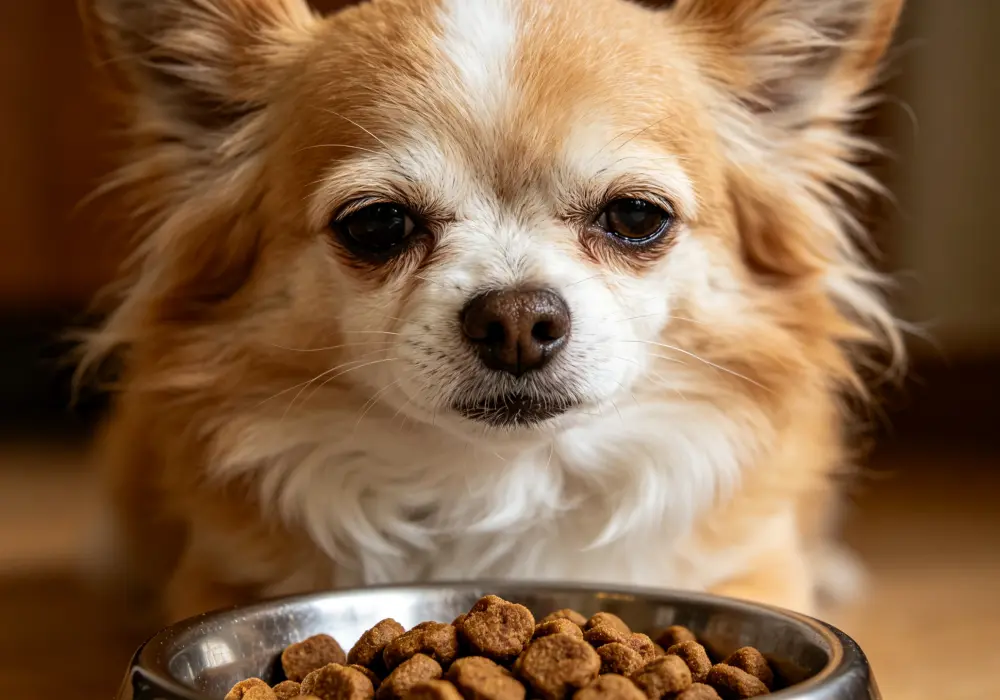
Understand the “Why” – Identifying the Root Cause
Before changing your feeding routine, it is crucial to rule out serious underlying health problems. A sudden or gradual loss of appetite is often a silent signal of physical discomfort:
Oral Pain & Periodontal Disease
Tartar, gingivitis, loose teeth, or oral tumors can cause significant pain, making dogs refuse to chew hard dry foods. This is incredibly common in toy breeds, where a silent small dog dental crisis often goes unnoticed until teeth start falling out.
Sensory & Cognitive Decline
A weakened sense of smell and taste means food is no longer appealing to them. Additionally, cognitive dysfunction (doggy dementia) can cause a dog to forget how to eat, forget they’re hungry, or become confused by the physical presence of a bowl.
Reduced Digestive Capacity
A slower metabolism and decreased digestive enzyme production can lead to bloating, nausea, or general stomach discomfort after eating, reducing the desire to repeat the experience.
First Action Step: Schedule a comprehensive veterinary exam. Addressing pain or illness is the absolute foundation of any successful feeding strategy.
How to Choose and Adapt Food: From “Edible” to “Irresistible”
1. The Texture Revolution: Make Food “Melt-in-the-Mouth”
For toothless or tender-mouthed dogs, food must be soft enough to be broken down by the tongue or swallowed easily. Consider these adjustments:
- Commercial Wet Food (Canned): Pâté or mousse textures require no chewing and are highly palatable. High-moisture stews provide a sensory interest with minimal effort.
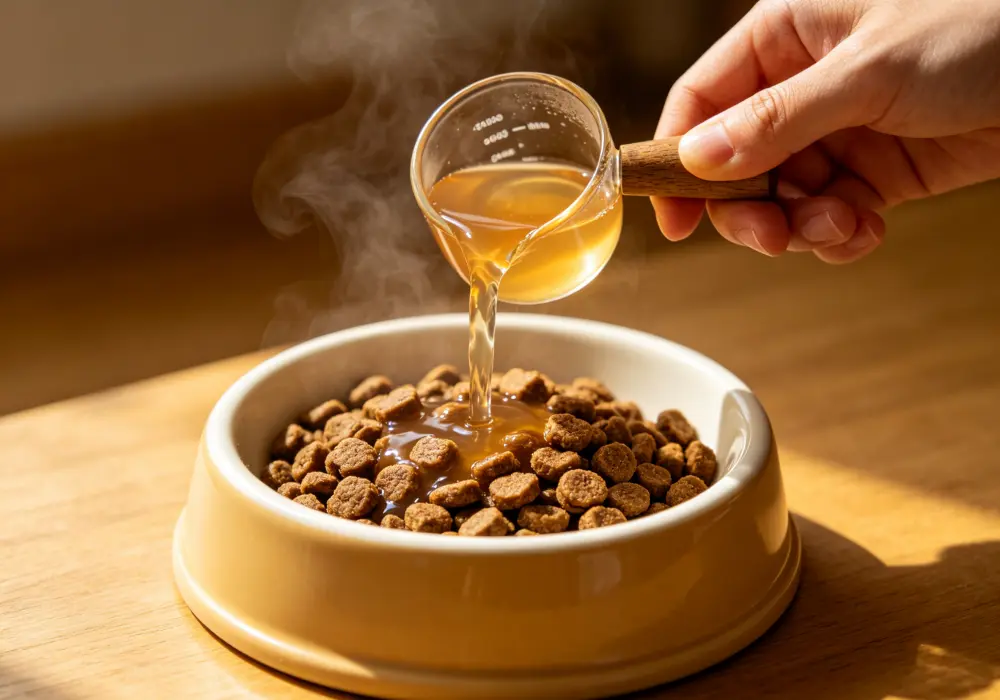
- Soaked Kibble Mush: Soak dry kibble in warm water or low-sodium, onion-free chicken or beef broth for 15–20 minutes until it forms a soft porridge.
- Freeze-Dried or Dehydrated Diets: Rehydrated with warm goat’s milk or bone broth, these high-quality raw-alternative diets return to a rich, near-fresh texture.
2. The Flavor Magic: Wake Up a Dull Sense of Smell
When a dog’s olfactory senses fade, we must boost the aroma. Try these simple flavor enhancers:
- Gentle Warming: Briefly warm chilled wet food for a few seconds in a microwave. Heat drastically enhances the aroma. Always stir and test the temperature to avoid mouth burns.
- Healthy Toppers: Add a sprinkle of grated Parmesan cheese, a spoonful of pure meat baby food (ensure zero onion or garlic), a dollop of plain Greek yogurt, or a drizzle of omega-3 rich salmon oil.
Homemade Soft Food Guide: The Loving Cook Approach
If you have the time, homemade food allows complete control over ingredients and texture. When deciding what to feed senior dogs when opting for home-cooked meals, prioritizing complete nutritional balance is essential. Feeding only chicken and rice will quickly lead to severe malnutrition.
A Balanced Homemade Template (Approximate Proportions)
- 50% Lean Protein: Skinless chicken, turkey, lean ground beef, or thoroughly cooked eggs. Puree or shred finely.
- 25% Easy-to-Digest Carbohydrates: Overcooked white rice, oatmeal, plain mashed pumpkin, or sweet potatoes.
- 25% Gentle Vegetables: Cooked and pureed carrots, green beans, or spinach.
- Essential Supplements: Home-cooked meals must be balanced with calcium powders and a comprehensive canine vitamin/mineral supplement. Always consult your veterinarian first.
Recipe Spotlight: Chicken & Pumpkin Mash
Boil skinless, boneless chicken breast until thoroughly cooked, then shred or puree in a blender. Steam fresh pumpkin until soft, mashing it completely. Mix both with overcooked white rice, add a few drops of salmon oil, and blend into a lukewarm, easy-to-lap paste.
Senior Soft Feeding Matrix
This comparison table helps you decide what to feed senior dogs based on their specific physical limitations, prep time, and health considerations:
| FEEDING METHOD | TEXTURE PREPARATION | PALATABILITY BOOSTERS | KEY PROS | KEY CONS |
|---|---|---|---|---|
| Soaked Dry Kibble | Soaked with warm broth for 20 minutes into a soft porridge. | Mix in low-sodium bone broth or fish oil. | Cost-effective, familiar, uses existing food. | Spoils quickly once wet; must be eaten immediately. |
| Canned Wet Food | Pâté, mousse, or smooth stews. | Gently warm; stir in plain Greek yogurt. | High moisture, minimal prep, highly palatable. | Higher long-term cost; requires careful dental hygiene. |
| Freeze-Dried Raw | Rehydrate fully with warm goat’s milk or water. | Use nutrient-dense bone broth. | Excellent nutrient retention, rich natural flavor. | Premium price point; requires prep time to rehydrate. |
| Homemade Mash | Cook thoroughly; shred, mash, or puree into a paste. | Use fresh, human-grade, aromatic ingredients. | Complete control over ingredients and texture. | Must be nutritionally balanced with supplements; time-consuming. |
| Veterinary Liquid Diet | Ready-to-serve; ideal for syringe feeding. | Formulated specifically for highly ill pets. | Disease-specific, nutritionally precise. | Requires a vet prescription; expensive for long-term use. |
Creating a Positive Mealtime Environment
Sometimes, the physical environment is just as much of a barrier as the food texture. Ensure you support their physical limitations:
- Elevate the Bowl: Placing food bowls at elbow height reduces painful strain on a senior dog’s neck, shoulders, and arthritic spine. Use a wide, shallow dish to avoid irritating sensitive whiskers.
- Offer Smaller, Frequent Meals: Split the daily food into 3–4 mini-meals. This is far easier on a senior digestive tract and prevents nausea from overeating.
- Try Hand-Feeding: Feeding the first few bites by hand can build trust, provide comfort, and physically prompt an anxious or disoriented senior dog to start eating.
- Minimize Mealtime Stress: In multi-dog homes, feed your senior separately in a quiet, low-traffic room to eliminate competitive stress and let them eat at their own slow pace.
🚨 Warning Signs: When to Call the Vet Immediately
While adjustments to texture can stimulate a slow appetite, some signs indicate severe underlying disease and require urgent medical diagnostics:
- Complete refusal to eat any food for more than 24 hours.
- Refusal to drink water or signs of acute dehydration.
- Low appetite accompanied by vomiting, diarrhea, or sudden extreme lethargy.
- Crying out, flinching, or dropping food out of their mouth while trying to chew.
- Severe bad breath, facial swelling, or heavy, constant drooling.
Honoring Their Golden Years
Ultimately, deciding what to feed senior dogs with missing teeth and a fading appetite is an act of deep compassion. It requires a gentle shift from simply “feeding” to active “nourishing”—a process that blends veterinary medicine, culinary patience, and deep, unconditional love.
By being patient, auditing their environment, and adjusting the physical texture of their meals, you can preserve their dignity and happiness. When you see your old friend contentedly licking their bowl, tail gently wagging, you’ll know every ounce of effort was more than worth it.
Download PDF: What to Feed Senior Dogs with Missing Teeth or Low Appetite
Related Articles

What To Expect When Having Your Dog Put Down To Prepare Peacefully
Making the decision to say goodbye to your dog is one of the hardest things you will ever do. The phrase "put down" can feel cold and clinical, but
Training Dogs To Get Along With Each Other A Step By Step Guide
Bringing a second dog into your home doubles the potential for joy—but it can also instantly double the domestic tension if introductions go wrong. Whether you are introducing an

Best Way To Keep Dogs Safe In Car And Essential Travel Gear
The simplest, most unfiltered truth about car travel with a dog is this: the absolute best way to keep dogs safe in car compartments is to never leave them