
Bringing a second dog into your home doubles the potential for joy—but it can also instantly double the domestic tension if introductions go wrong. Whether you are introducing an active puppy to a resident adult, merging two households, or trying to resolve chronic friction between dogs who already live together, the process of training dogs to get along with each other requires extreme structure, patience, and a clear understanding of canine behavioral science.
Most dogs can learn to coexist peacefully, and some even form deep, lifelong emotional bonds. However, this success is never guaranteed by simply letting them “fight it out” or hoping they will figure it out on their own. In the canine world, unstructured freedom is a recipe for territorial defensiveness.
Understanding Why Dogs Fight (And Why They Don’t Have To)
Before launching a training plan, you must accurately diagnose the underlying emotional drivers fueling the friction. Aggression between housemates is rarely random. It is almost always a survival mechanism triggered by one of these core categories:
- Resource Guarding: Defensive behavior centered on protecting food, toys, beds, or human proximity. This is a common warning sign of behavioral stress. For a deeper analysis, review our guide to dog guarding owner behavior.
- Status-Related Tension: Stressful social disagreements regarding access to preferred spaces, privileges, or primary traffic areas.
- Fear-Based Reactivity: An anxious dog feels physically threatened by the energy, eye contact, or approach of another. If your dog exhibits a sudden behavior shift, read our breakdown of dog behavior problems.
- Redirected Excitement: High-arousal greetings or fence-barking that overflows, leading one dog to snap at the closest living thing.
- Incompatible Play Styles: A classic mismatch where an energetic dog wants to engage in continuous rough play while an older or timid dog wants to sniff quietly.
Step 1: Prepare Before the Meeting
A massive portion of training dogs to get along with each other occurs before they ever lay eyes on one another. Rushing the physical contact phase is the most common cause of early training failure.
Assess Each Dog’s Temperament
Analyze their histories honestly. Has either dog displayed dog-directed reactivity? Do they guard food? Are they physically healthy? Pain or hidden illness is a massive, silent trigger for sudden snapping. If you suspect your dog is acting out due to discomfort, run through the Signs of a Healthy Dog checklist.
Set Up Separate Spaces
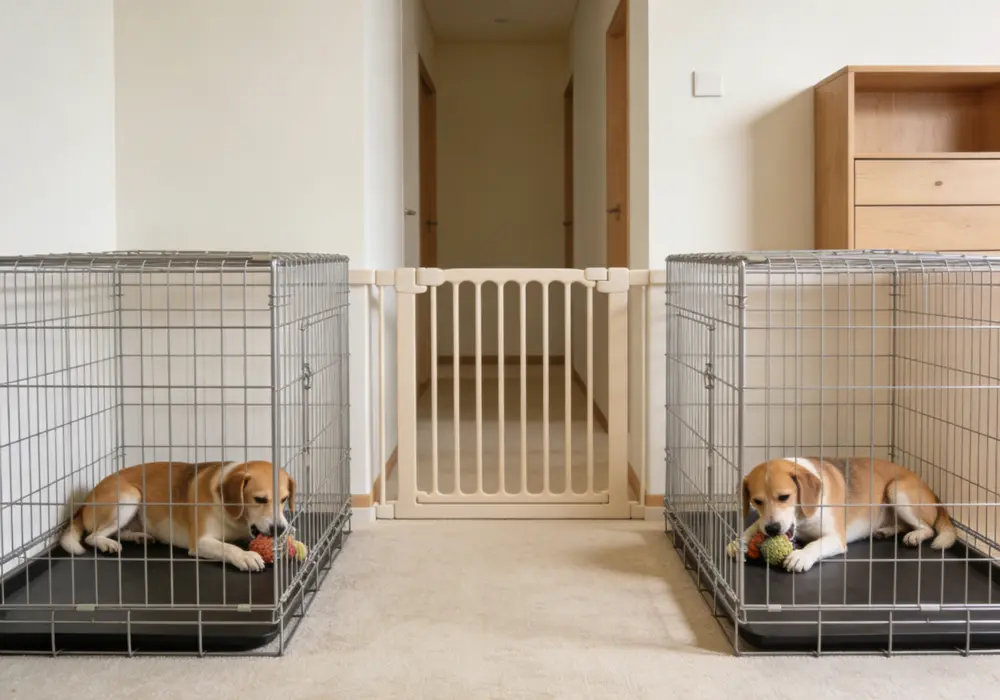
Ensure each dog has their own crate, separate feeding bowls, and dedicated sleep zones. You must prevent competition for basic survival resources before bringing them under one roof.
Scent Exchange Condition
Rub a soft cloth on one dog and place it near the other dog’s food bowl. This simple conditioning process connects the olfactory scent of the “new” dog with the positive dopamine release of eating.
Step 2: The First Meeting (Neutral Territory)
Never introduce dogs in your living room or garden. This triggers territorial instincts. Instead, choose a neutral, spacious, low-traffic fenced area.
Neutral Territory Protocol:
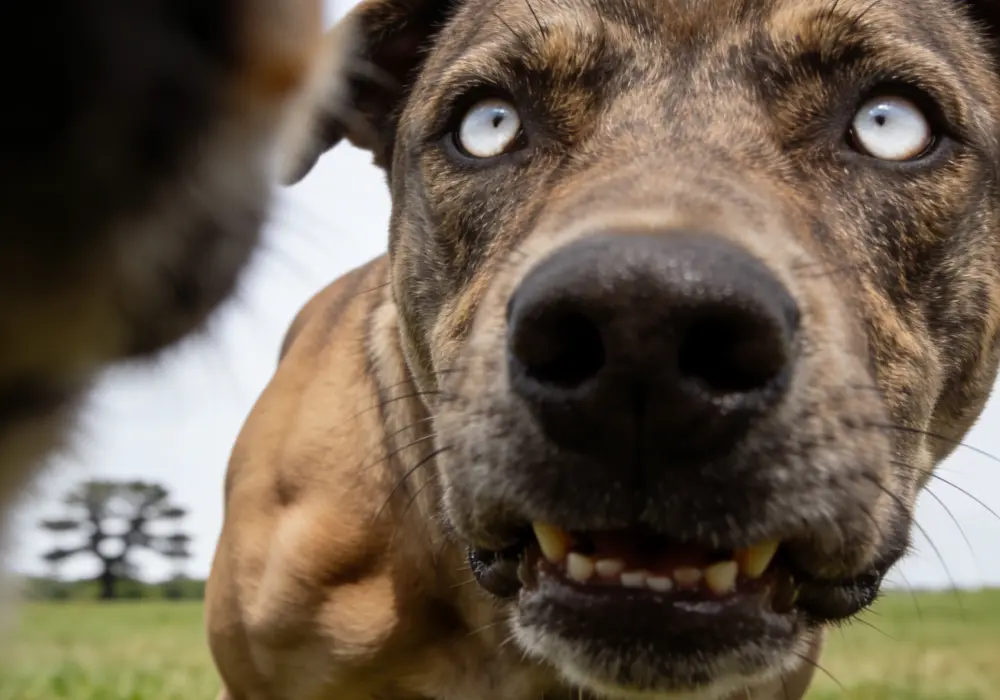
- Use two separate handlers, keeping one dog per leash.
- Keep leashes loose. A tight leash communicates human tension directly down the line to the dog.
- Position the dogs at a safe distance where they can observe each other without reacting—ideally 20 to 30 feet apart.
- Gradually walk parallel lines, slowly closing the gap if both dogs display loose, soft body language.
Body Language Watchpoints
| OBSERVED CANINE SIGNAL | UNDERLYING EMOTIONAL STATE | IMMEDIATE HANDLER ACTION |
|---|---|---|
| Soft, wiggly body, play bows | Friendly, non-threatening interest | Mark the behavior and allow brief, controlled interaction. |
| Stiff, frozen posture, hard stare | Intense focus, potential threat display | Increase distance immediately; redirect focus to handlers. |
| Whale eye (showing whites of eyes) | High anxiety and structural defensiveness | Slow down, create space, and use high-value treats to calm. For details, view the dog body language dashboard. |
| Lip curling, low guttural growling | Active warning; defensive aggression imminent | Separate immediately. Do not punish the growl; it is their vital warning. |
| Tail tucked tightly between hind legs | Extreme fear and insecurity | Step back, protect from bullying, and build baseline confidence. |
Step 3: Parallel Walking (The Golden Exercise)
Parallel walking is the most powerful tool in training dogs to get along with each other. It forces dogs to share space and execute a goal-oriented activity without the high-pressure stress of face-to-face eye contact.
Step 4 & 5: Indoor Introductions and Resource Management
When moving the interaction inside your home, you must manage the environment tightly. Resource competition is the primary spark for domestic fights.
Multi-Dog Integration Troubleshooter
Select your current integration stage and observed canine behaviors to filter targeted, clinical advice instantly.
Active Resource Lunging
RED: EMERGENCYOBSERVED BEHAVIOR
"One dog stiffens over a bowl or space, launching a snap when another approaches."
HANDLER ACTION
Enforce the Absolute Zero-Resource Rule immediately. Feed in completely closed rooms or crates with no visual line of sight.
Stiff Posture Hard Stare
YELLOW: CAUTIONOBSERVED BEHAVIOR
"Dogs freeze, lock eyes, and tails stand high and stiff during preliminary greeting."
HANDLER ACTION
Increase distance immediately using loose leashes. Do not pull back abruptly; walk parallel until arousal drops.
Relaxed Parallel Progress
GREEN: FRIENDLYOBSERVED BEHAVIOR
"Soft mouth, curved bodies, loose wagging, and voluntary check-ins with handlers."
HANDLER ACTION
Praise and mark with high-value treats. Maintain forward momentum to cement cooperative synchronization.
Coexistence Success Probability Matrix
The speed and success rate of introducing two dogs depend heavily on how you manage their space and introduce them. The chart below contrasts different integration strategies:
The Structured Coexistence Timeline
Patience is vital. A secure multi-dog relationship is built in increments. Use this structured timeline to guide your expectations over the coming weeks:
| INTEGRATION PHASE | PRIMARY GOAL | DAILY TRAINING STRATEGY |
|---|---|---|
| Week 1 | Calm coexistence at a distance | Focus exclusively on parallel walking outdoors on neutral turf; keep indoor zones completely separate. |
| Week 2 | Tolerance in shared indoor spaces | Introduce short, 5 to 10 minutes supervised indoor meetings on leash with zero resources present. |
| Week 3 | Relaxed, supervised coexistence | Gradually increase the duration of indoor time; allow quiet resting while you are in the room. |
| Week 4 to 6 | Peaceful, structured sharing of space | Provide supervised off-leash freedom; strictly feed in separate areas and manage toy access. |
| Month 2+ | Established trust and bonding | Allow unsupervised freedom if they pass all behavioral safety checks. Keep their mental health high with shared things to do with your dog. |
How to Handle a Scuffle Safely
Even with strict management, minor disagreements can occur. Knowing how to de-escalate tension safely is crucial to prevent minor warnings from becoming traumatic fights.
Building Harmony
Ultimately, training dogs to get along with each other is not about forcing them to become best friends or share everything. It is about creating a highly structured environment where cooperation, respect, and calm boundaries are more rewarding than competition.
By staying patient, managing your resources with discipline, and guiding their social development step by step, you eliminate the anxiety of social tension. Every quiet shared nap, every parallel walk, and every peaceful evening is a reward for your dedication. Give them the structure they need, and they will give you the peace your family deserves.
Related Articles
What To Expect When Having Your Dog Put Down To Prepare Peacefully
Making the decision to say goodbye to your dog is one of the hardest things you will ever do. The phrase "put down" can feel cold and clinical, but
Training Dogs To Get Along With Each Other A Step By Step Guide
Bringing a second dog into your home doubles the potential for joy—but it can also instantly double the domestic tension if introductions go wrong. Whether you are introducing an
Best Way To Keep Dogs Safe In Car And Essential Travel Gear
The simplest, most unfiltered truth about car travel with a dog is this: the absolute best way to keep dogs safe in car compartments is to never leave them