
Pancreatitis in dogs is a painful, complex, and potentially life-threatening inflammation of the pancreas that can strike with terrifying speed or linger silently as a chronic, low-grade condition. Because the pancreas is a dual-function gland responsible for secreting digestive enzymes and blood-sugar-regulating hormones, any inflammation within this tissue can rapidly cascade into a systemic health crisis.
Recognizing the early warning signs of this condition is critical. However, rather than relying on frantic internet searches during a crisis, establishing a structured pancreatitis in dogs symptoms checklist is the first step in helping you systematically evaluate your dog’s physiological changes at home. Knowing how to safely monitor these signs allows you to act as a crucial link in your dog’s veterinary care.
We have broken down this pancreatitis in dogs symptoms checklist into 7 distinct warning zones—running from sudden stomach issues to subtle mood shifts. This allows you to easily track your dog’s comfort at home and know the exact moment it is time to pack up and head to the emergency vet.
Gastrointestinal Distress (Vomiting & Diarrhea)
The pancreas is physically located directly adjacent to the stomach and duodenum. When the pancreas becomes inflamed, it suffers from a process called autodigestion. Its powerful digestive enzymes are activated prematurely within the gland itself, spilling into the surrounding abdominal tissues and triggering severe, acute gastrointestinal distress, which is a core metric on any pancreatitis in dogs symptoms checklist.
What to look for:
- Repeated, unproductive vomiting: Your dog may vomit food initially, progressing rapidly to foamy yellow bile or blood-flecked mucus.
- Watery, loose, or yellowish diarrhea: The stools may carry a greasy appearance or have visible blood streaks.
- Persistent dry heaving and straining: Frequent, unproductive attempts to eliminate or vomit due to gastrointestinal cramping.
Why it matters: Uncontrolled vomiting and diarrhea lead to rapid dehydration and critical electrolyte imbalances. If your dog is unable to keep water down or vomits more than twice in a 24-hour period, they require professional veterinary support to prevent hypovolemic shock.
Abdominal Pain & Discomfort
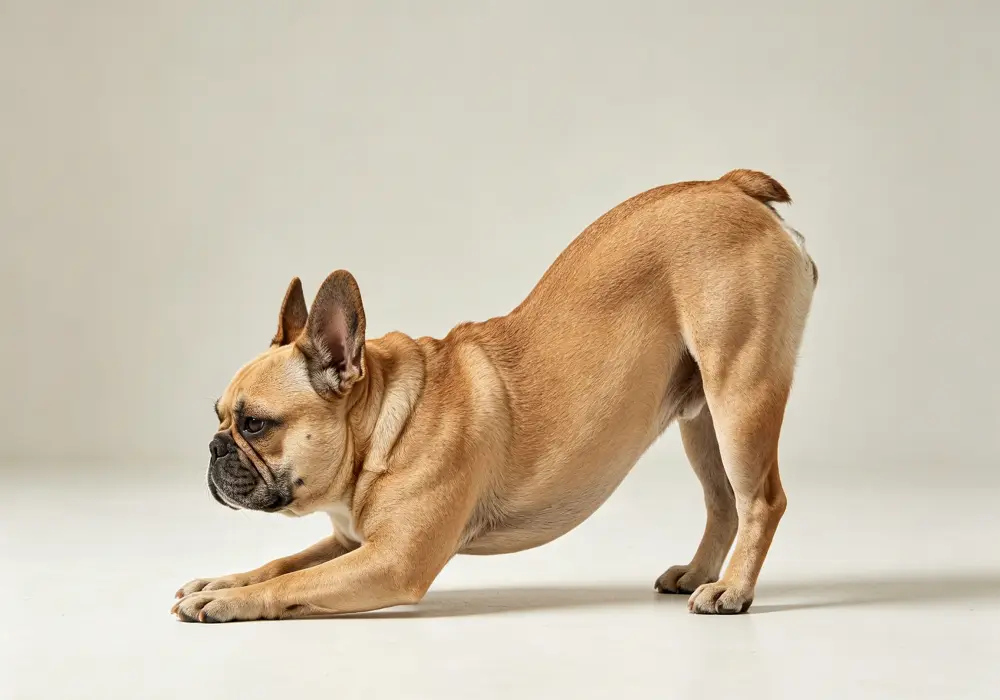
Pancreatitis is famously painful. Dogs possess strong survival instincts that drive them to hide physical vulnerability. However, the localized peritonitis (abdominal cavity inflammation) caused by pancreatic swelling produces distinct postures and physical reactions that are major components of this pancreatitis in dogs symptoms checklist.
What to look for:
- The “Praying Position”: The dog rests their front elbows flat on the floor while keeping their rear end raised in the air. This classic posture is a desperate attempt to relieve the physical pressure of the internal organs pressing against an inflamed pancreas.
- A hunched back (Kyphosis) or rigid stance: The dog will stand stiffly with their spine arched upward, resisting any movement that stretches the abdomen.
- Severe guarding of the abdomen: Flinching, growling, or snapping when you touch their belly or attempt to lift them.
Why it matters: Intense abdominal pain can signal the progression of pancreatic necrosis (tissue death) or peritonitis. Pain management is a medical cornerstone of pancreatitis therapy, as unmanaged pain can trigger systemic shock.
Appetite & Eating Behavior Changes
When the pancreas is inflamed, the body releases inflammatory cytokines that suppress appetite. Furthermore, because eating triggers the pancreas to release more painful enzymes, dogs quickly associate food with acute abdominal pain.
What to look for:
- Sudden, complete refusal of food (Anorexia): Turning away from high-value foods or hand-fed items.
- Interest followed by immediate rejection: Approaching the food bowl eagerly, sniffing, and then stepping back or walking away.
- Polydipsia (excessive thirst) followed by vomiting: Drinking massive amounts of water to soothe nausea, only to vomit the water back up within minutes.
Why it matters: Prolonged anorexia can lead to rapid hepatic lipidosis (fatty liver disease), especially in overweight dogs. Managing their caloric intake safely often requires temporary veterinary hospitalization and specialized low-fat diets. For more information on identifying healthy body metrics, cross-reference their state with the Signs of a Healthy Dog checklist.
Pancreatitis Symptoms Triage Checklist
Use this interactive pancreatitis in dogs symptoms checklist to evaluate your dog's current condition. Check the observed symptoms to calculate an objective clinical urgency score.
DIGESTIVE & PAIN MARKERS
SYSTEMIC & PHYSICAL MARKERS
Triage Assessment Dashboard
0
Healthy Baseline
Immediate Care Guidance
Please check any symptoms your dog is currently exhibiting to calculate their clinical status.
Dehydration & Fluid Balance
Because pancreatitis systematically triggers fluid loss through vomiting and diarrhea, while simultaneously preventing normal fluid intake due to nausea, severe dehydration, which is a vital marker to monitor on your pancreatitis in dogs symptoms checklist, can develop rapidly.
What to look for:
- Loss of Skin Elasticity (Skin Tenting): Pinch a small fold of skin on the back of your dog’s neck. In a well-hydrated animal, the skin snaps back instantly. In a dehydrated dog, it remains tented for several seconds.
- Dry, Tacky, or Sticky Gums: Touch their gums with a clean finger. If they feel dry or tacky instead of moist and slippery, dehydration is present.
- Sunken Eyes: The eyes may appear hollow or pulled back into the eye sockets.
Veterinarians calculate fluid needs based on body weight, dehydration level, ongoing vomiting or diarrhea, bloodwork, and physical exam findings. At home, do not attempt to calculate or give fluids yourself. Use dehydration signs only as a reason to contact a veterinarian quickly.
Fever & Systemic Inflammation
When localized pancreatic enzymes trigger autodigestion, the body releases a massive wave of inflammatory cytokines into the bloodstream. This systemic inflammatory response syndrome (SIRS) can alter your dog’s natural thermoregulation and must be logged carefully on your pancreatitis in dogs symptoms checklist.
What to look for:
- Elevated Body Temperature: A rectal temperature consistently exceeding 102.5 °F (39.2 °C).
- Uncontrolled Shivering or Trembling: Shivering occurring even in a warm, comfortable room, indicating systemic inflammation.
- Tachycardia (Rapid Heart Rate): A resting heart rate significantly higher than their baseline.
Why it matters: A fever combined with profound weakness shows that the inflammatory response is no longer localized, raising the risk of multi-organ involvement.
Abnormal Posture & Movement
Because pancreatitis results in painful abdominal tension, dogs will adjust their gate and posture to prevent their spine and joints from placing mechanical pressure on their sore belly.
What to look for:
- Stiff, Stilted Gait: Walking slowly, moving their limbs rigidly (resembling a “wooden horse”).
- Reluctance to Climb or Jump: Refusing to navigate standard stairs, jump onto a couch, or enter a vehicle.
- Arched Back: Standing with their back permanently arched upward to mechanically protect their belly.
- Area 7: Behavioral & Mood Changes
Behavioral & Mood Changes
A sudden change in temperament is often the first, most subtle signal that your dog is suffering from internal pain. If you notice a sudden, unexpected shift, it is vital to consult your veterinarian. Learn more about evaluating sudden behavioral shifts by reading our guide to why your dog’s behavior has changed suddenly.
What to look for:
- Depression & Withdrawal: Reluctance to interact with family members, avoiding greeting you at the door, or hiding under desks.
- Irritability or Aggression: Snapping, growling, or displaying defensiveness when you approach or attempt to touch them.
- Extreme Pacing: Wandering the house aimlessly, unable to settle down or rest due to nausea and pain.
Symptoms Quick-Reference Matrix
This table summarizes the diagnostic metrics of our pancreatitis in dogs symptoms checklist to help you quickly identify critical emergency red flags:
| SYMPTOM CATEGORY | COMMON SIGNS | EMERGENCY RED FLAG (SEE VET NOW) |
|---|---|---|
| Gastrointestinal | Occasional vomiting, soft stool, nausea. | Vomiting > 2× in 24 hours; yellow bile or visible blood in vomit. |
| Abdominal Pain | Praying stance, minor hunching, tension. | Extreme guarding, groaning, rigid board-like abdomen when touched. |
| Hydration Status | Slightly dry mouth, seeking cool spaces. | Dry, tacky gums; skin tents and fails to return to place instantly. |
| Systemic State | Slight lethargy, mild temperature elevation. | Temp over 103.5°F (39.7°C); profound collapse; inability to stand unassisted. |
Symptom Occurrence Rates
The chart below visualizes the estimated frequency of symptoms recorded in confirmed clinical cases of acute canine pancreatitis:
How to Use This Checklist Safely
To protect your pet and ensure accurate tracking during a diagnostic flare-up, implement these strict safety rules:
⚠️ Emergency Intervention Required If:
If your dog displays continuous vomiting, collapse, or a body temperature exceeding 104 °F (40.0 °C), transport them immediately to the nearest emergency veterinary facility.
Your Observation Saves Lives
Canine pancreatitis is undoubtedly a serious, painful, and challenging disease to manage. However, utilizing a structured pancreatitis in dogs symptoms checklist helps you stay objective during a crisis, allowing you to log changes and partner effectively with your veterinary team.
By staying calm, recording changes carefully, and managing their diet strictly under professional supervision, you provide your companion with the best possible path to a safe, comfortable, and full recovery. Trust your instincts—if something feels off, contact your veterinarian immediately.
- Gastrointestinal Distress (Vomiting & Diarrhea)
- Abdominal Pain & Discomfort
- Appetite & Eating Behavior Changes
- Pancreatitis Symptoms Triage Checklist
- Dehydration & Fluid Balance
- Fever & Systemic Inflammation
- Abnormal Posture & Movement
- Behavioral & Mood Changes
- Symptoms Quick-Reference Matrix
- Symptom Occurrence Rates
- How to Use This Checklist Safely
- Your Observation Saves Lives
Related Articles
What Are Common Dog Behavior Changes with Age
Canine behavior and healthy aging Common Dog Behavior Changes with Age: What Is Normal and What Is Not? Dogs change throughout life, but age alone does not explain every new

Why Does My Dog Follow Me Everywhere?
DOG BEHAVIOR GUIDEIf you keep wondering, "Why does my dog follow me everywhere?", the answer is often quite ordinary: you are the safest and most rewarding part of your dog's
Hormonal Behavior in Dogs: Causes, Signs, and What to Do
Canine behavior and health guide Hormonal Behavior in Dogs: Causes, Signs, and What to Do Hormones can influence marking, roaming, mounting, nesting, appetite, sleep, and emotional responses. They are only