
Watching your female dog experience her season for the first time can be confusing, especially when her behavior suddenly changes. Hormones play a big role during this period and can affect her mood and energy levels. She may become more attached to you, seem unusually restless, or react differently than usual. Understanding that dog behaviour changes in season are a completely natural part of her reproductive cycle can help you stay patient and make small changes at home to keep her relaxed and secure until the season passes.
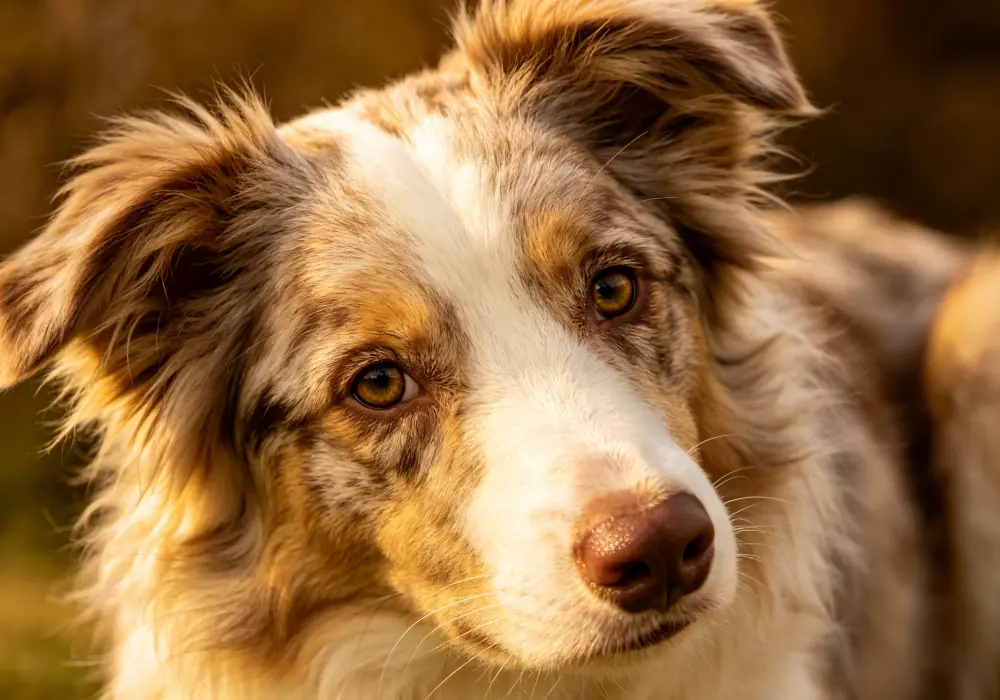
The Four Phases
A dog’s season isn’t a single event but a journey through four distinct phases. Each phase brings its own set of hormonal signals that dictate how she interacts with you and the world around her.
Behavioral Shift Frequency
Data collected from veterinary surveys indicates that certain behaviors are far more prevalent during the heat cycle than others. Understanding these common dog behaviour changes in season helps prepare for what’s ahead.
Clinginess & Affection
Over 70% of owners report their dogs becoming “Velcro dogs” during the early stages of their heat cycle, seeking constant physical reassurance from their trusted humans.
Restlessness
Many dogs experience a spike in cortisol alongside sex hormones, leading to pacing, frequent whining, or an inability to settle in their usual sleeping spots.
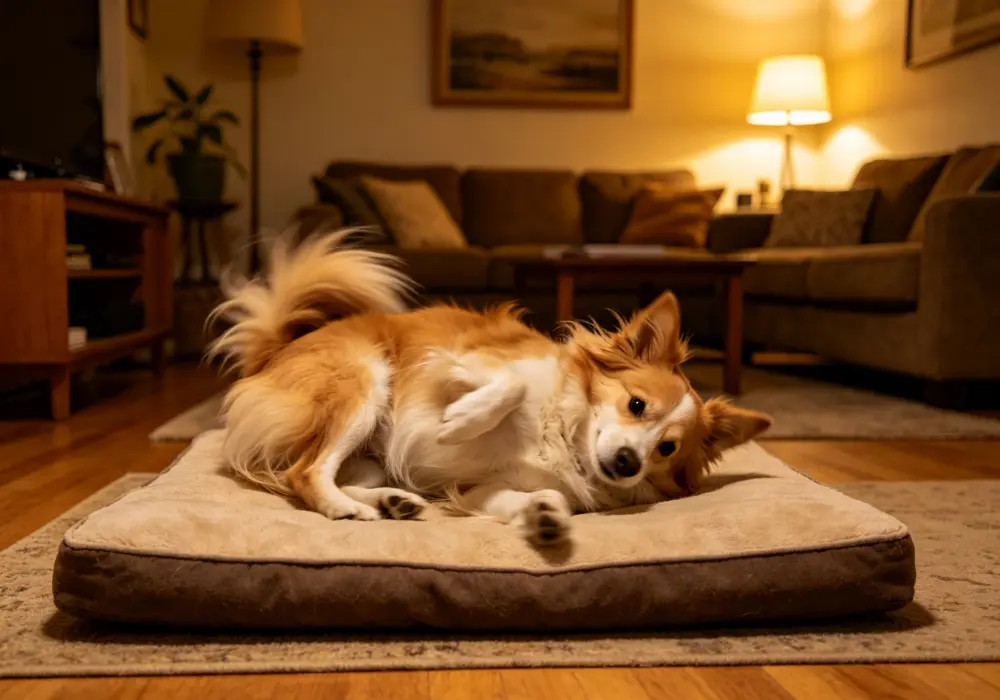
Decoding the Symptoms
When you observe physical or social shifts, it is helpful to connect the specific symptom with its biological trigger so you can respond with the right support.
| SYMPTOM | THE “WHY” | MANAGEMENT TIP |
|---|---|---|
| Excessive Grooming | Increased discharge and localized irritation. | Ensure she has a quiet space to clean herself without being watched. |
| Aggression to Males | Protective instinct during the Proestrus stage. | Keep her away from dog parks and off-leash areas entirely. |
| Crying/Whining | High anxiety caused by hormonal spikes. | Calming pheromones or soft music can help soothe her nerves. |
| Roaming Instinct | Driven by the biological urge to find a mate. | Check all gate latches and use a harness instead of just a collar. |
| Appetite Changes | Nausea or hormone-induced lack of interest. | Try warming her food or adding a high-value topper like plain chicken. |
How to Be the Best Owner During Her Season
It’s easy to get frustrated by a dog who is suddenly ignoring her recall or whining at 2 AM. However, remembering that these dog behaviour changes in season are an involuntary biological process is key to maintaining your bond.
A Final Word of Encouragement
Navigating a dog’s season is a test of patience, but it’s also an opportunity to deepen your connection. By recognizing that her temporary “naughtiness” is actually hormonal confusion and her “neediness” is a search for safety, you can provide the stability she lacks internally.
Stay observant, keep her safe, and remember that in a few short weeks, her hormones will settle, and you’ll have your usual companion back by your side.
Related Articles
What Are Common Dog Behavior Changes with Age
Canine behavior and healthy aging Common Dog Behavior Changes with Age: What Is Normal and What Is Not? Dogs change throughout life, but age alone does not explain every new
Why Does My Dog Follow Me Everywhere?
DOG BEHAVIOR GUIDEIf you keep wondering, "Why does my dog follow me everywhere?", the answer is often quite ordinary: you are the safest and most rewarding part of your dog's
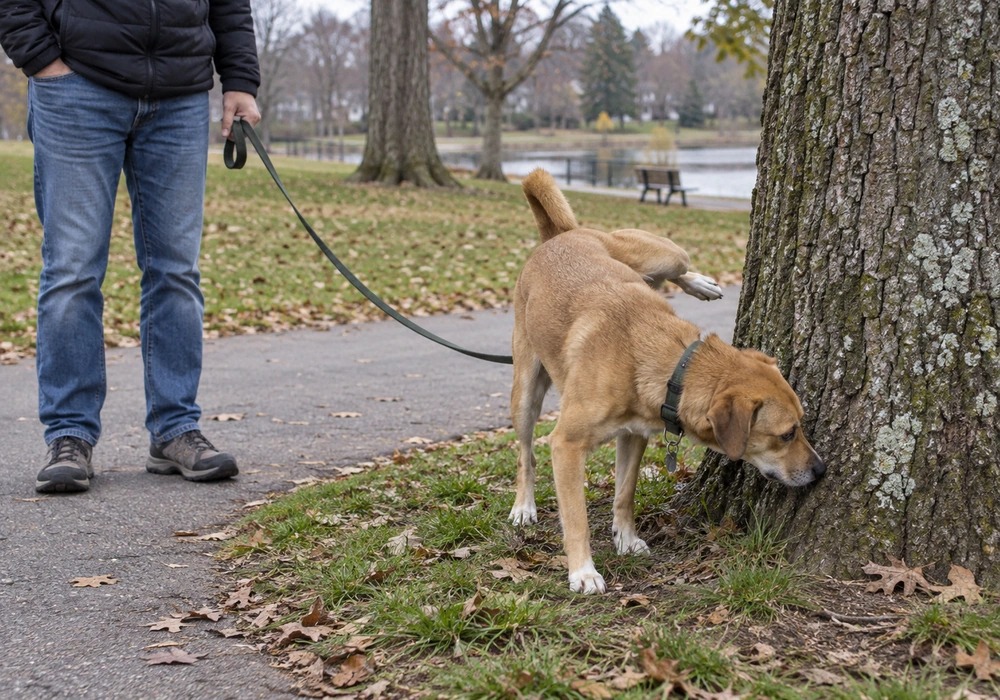
Hormonal Behavior in Dogs: Causes, Signs, and What to Do
Canine behavior and health guide Hormonal Behavior in Dogs: Causes, Signs, and What to Do Hormones can influence marking, roaming, mounting, nesting, appetite, sleep, and emotional responses. They are only