
Ear problems often start in a way that looks small. Your dog shakes their head after dinner. Then they scratch one ear again. Later, they rub the side of their face on the rug and seem annoyed when you touch their head. It is easy to wonder whether this is just an itch or the start of something more painful.
A dog’s ear canal bends downward and then inward, so wax, moisture, yeast, and bacteria can sit deeper than you might expect. That is why guessing from one symptom is risky. A simple dog ear infection symptoms checklist gives you a calmer way to look at the whole pattern: head shaking, scratching, odor, redness, discharge, pain, and balance changes.
This page is not a diagnosis and it does not replace an ear exam. It is an owner safety guide. If your dog also seems tired, feverish, weak, or generally unwell, compare what you are seeing with the broader signs of a healthy dog before deciding that the problem is only local to the ear.
Use this checklist to notice patterns, not to start home treatment. Pain, pus, strong odor, swelling, head tilt, or balance trouble should move the decision toward a vet.
Why Dogs Get Ear Problems So Easily
A human ear canal is fairly straight. A dog’s ear canal is not. It travels downward first, then turns inward toward the eardrum. That bend makes it easier for wax, moisture, and debris to stay trapped, especially after bathing, swimming, humid weather, or repeated scratching.
Floppy-eared breeds can have even less airflow around the ear opening. Dogs with allergies may also have inflamed skin inside the canal, which makes the ear easier to irritate and harder to keep dry. That does not mean every red ear is infected, but it does mean early signs deserve attention.
Most owner-visible ear problems involve the outer ear canal. The concern is that a painful or untreated infection can move deeper or hide a damaged eardrum. That is why strong pain, a head tilt, balance problems, or eye flicking should not be handled with routine cleaning at home.
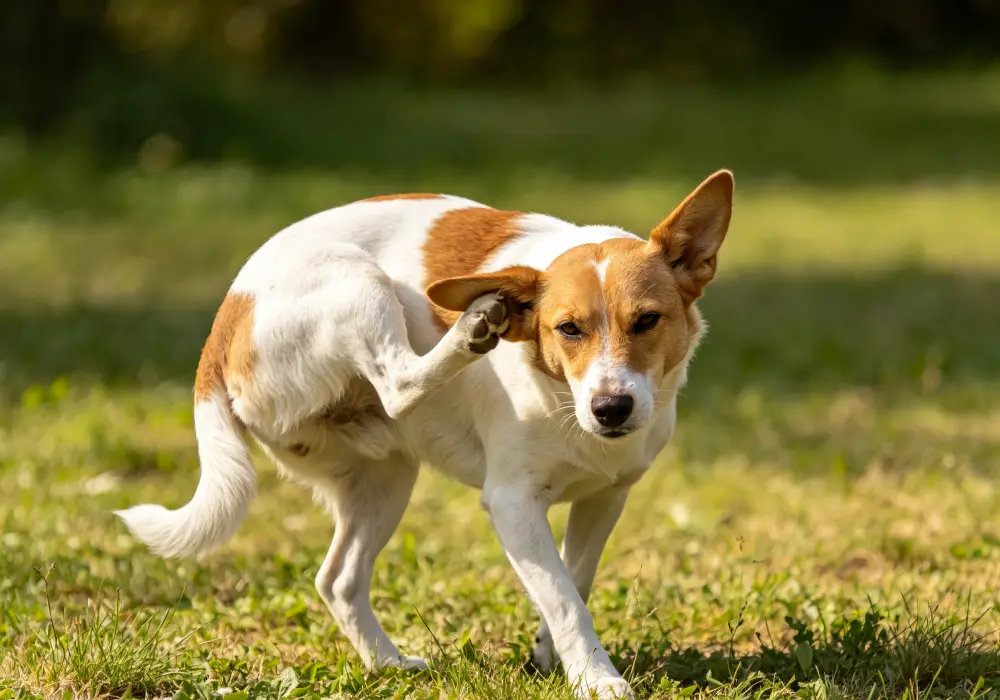
Dog Ear Infection Symptoms Checklist 7 Things to Check
Work through the checklist gently. Do not force the ear open, push anything into the canal, or keep touching the ear if your dog pulls away.
Dog Ear Symptom Urgency Checker
Do not use this calculator to treat a diagnosed condition without your veterinarian.
Select what you are seeing. This digital dog ear infection symptoms checklist does not diagnose the problem; it only helps you decide how urgently to contact a veterinarian.
Observe Physical & Risk Markers
Suggested Urgency Level
Please select symptoms to evaluate your dog's risk level.
Higher scores mean the signs are less suitable for home monitoring. Pain, pus, strong odor, head tilt, or balance changes should move the plan toward a veterinary exam.
Ear Infection Signs and Urgency Table
This table gives you a plain-language way to sort the signs. It is not a substitute for cytology, otoscopy, or a veterinary diagnosis.
| OTITIS LEVEL | ANATOMICAL FOCUS | OBSERVED SYMPTOMS (CHECKLIST) | WHAT OWNERS SHOULD DO |
|---|---|---|---|
| Otitis Externa | Outer ear canal. | Mild pink skin; sweet yeast odor; occasional head shaking. | Schedule a standard vet check within 48 hours for cytology. |
| Otitis Media | Middle ear, behind the eardrum. | Angry red canal; foul odor; painful groaning; waxy discharge. | Ask for a same-day or next-day vet appointment, especially if pain is obvious. |
| Otitis Interna | Inner ear vestibular organs. | Head tilt; loss of balance; circling; rapid eye movements (nystagmus). | Urgent. Contact a veterinary ER or urgent clinic, especially if balance is affected. |
Common Reasons Dog Ear Infections Come Back
Chronic ear scratching often needs more than a quick wipe. This chart is a simple way to think through common reasons owners end up discussing ear problems with a vet.
What To Do At Home and When To Call a Vet
Once you have checked the signs, choose the safer next step. This dog ear infection symptoms checklist can guide your decision, but it cannot tell you which organism is present or whether the eardrum is intact.
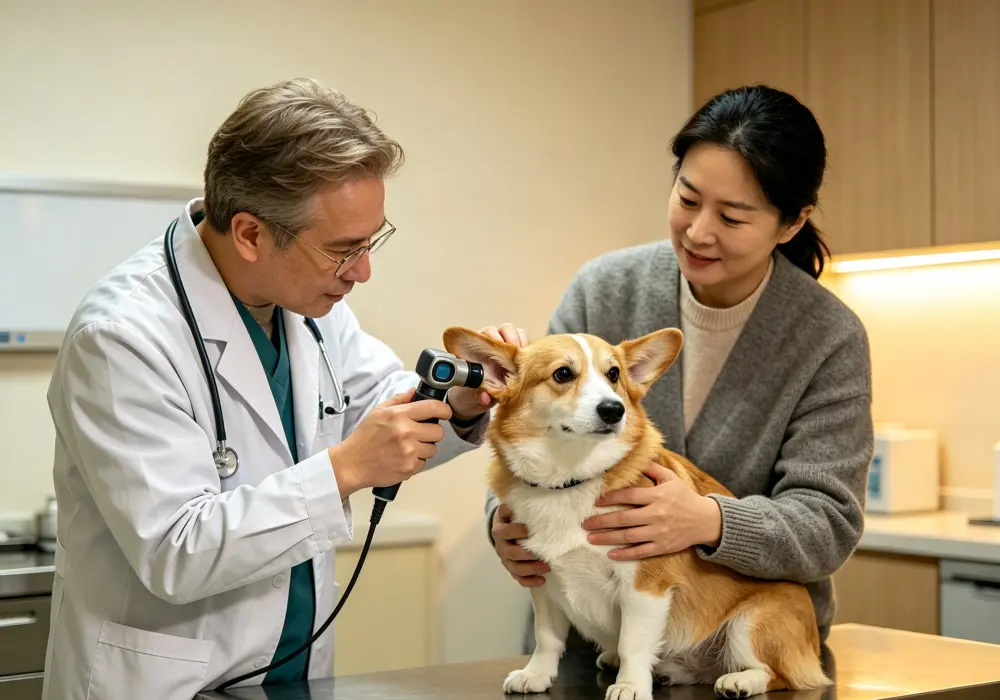
Frequently Asked Questions
What To Do Next
A useful dog ear infection symptoms checklist should make you calmer, not overconfident. Look for the pattern: repeated head shaking, scratching, odor, redness, discharge, pain, and balance changes.
If the ear looks mildly irritated and your dog is comfortable, gentle monitoring may be enough for the moment. If there is pain, pus, strong smell, swelling, head tilt, or wobbliness, call your vet and avoid home remedies.
Related Articles
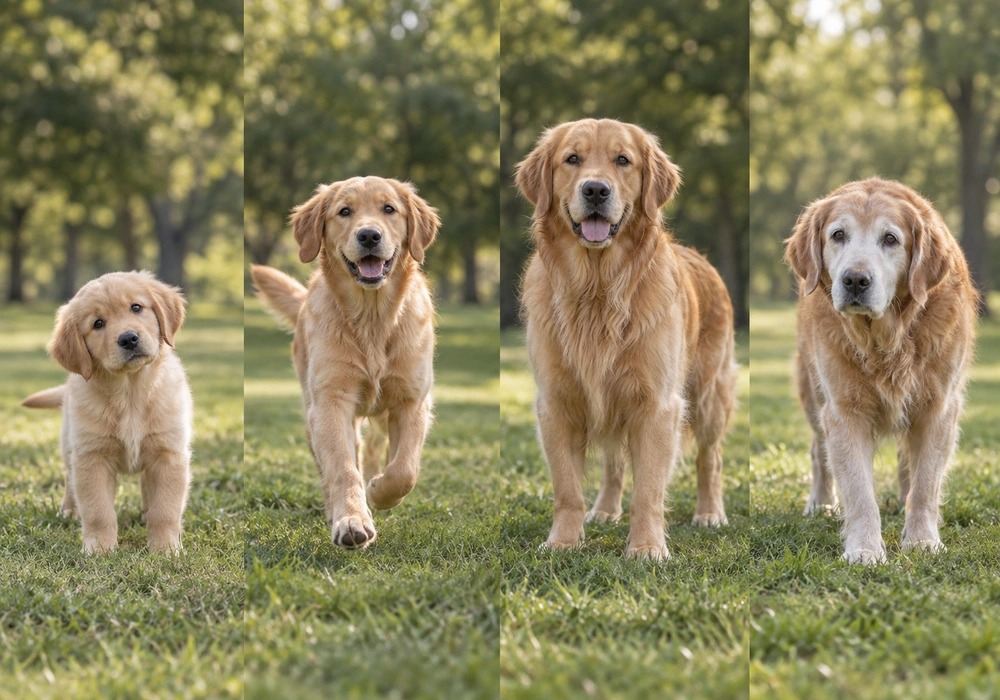
What Are Common Dog Behavior Changes with Age
Canine behavior and healthy aging Common Dog Behavior Changes with Age: What Is Normal and What Is Not? Dogs change throughout life, but age alone does not explain every new

Why Does My Dog Follow Me Everywhere?
DOG BEHAVIOR GUIDEIf you keep wondering, "Why does my dog follow me everywhere?", the answer is often quite ordinary: you are the safest and most rewarding part of your dog's
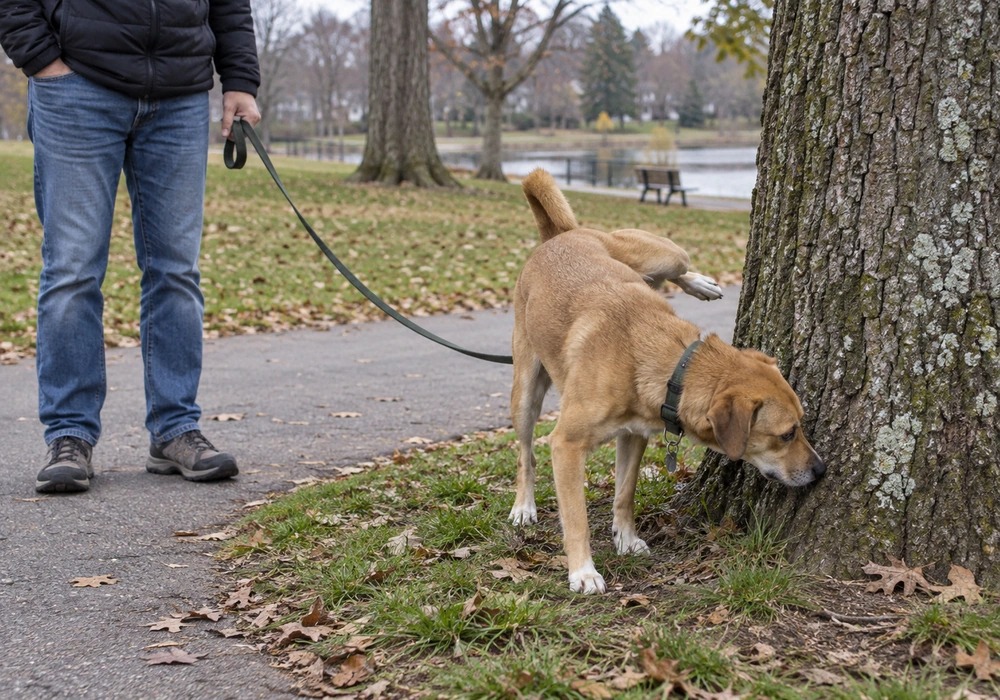
Hormonal Behavior in Dogs: Causes, Signs, and What to Do
Canine behavior and health guide Hormonal Behavior in Dogs: Causes, Signs, and What to Do Hormones can influence marking, roaming, mounting, nesting, appetite, sleep, and emotional responses. They are only