
A senior Chihuahua needs regular veterinary checks, carefully measured meals, dental care, warm resting places, and safer footing at home. Many stay lively well into their teens. Because they are so small, though, a little weight loss or a day of poor eating can become significant sooner than it would in a larger dog.
Six-month checkups are a sensible starting point, with shorter intervals for a dog who already has a chronic illness. Between visits, keep an eye on weight, appetite, thirst, coughing, breathing during sleep, and ease of movement. Breathing difficulty, blue or gray gums, collapse, severe pain, repeated vomiting, or an inability to urinate requires urgent veterinary care.
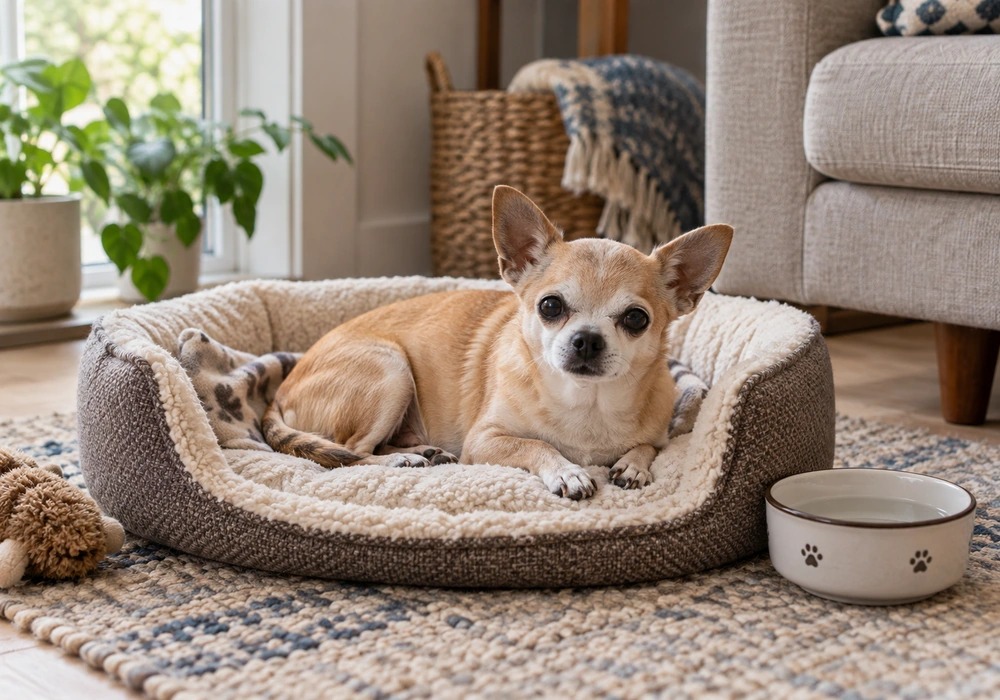
When Is a Chihuahua Considered Senior?
There is no exact birthday that makes a Chihuahua senior. Genetics, dental health, body condition, previous illness, and daily activity all affect how a dog ages. For planning purposes, ages 7–9 are often treated as mature, 10–13 as senior, and 14 or older as geriatric. An individual dog may seem older or younger than those ranges suggest.
Chihuahuas often live 15–18 years, sometimes longer. That gives age-related conditions time to overlap. It is not unusual for one dog to have a heart murmur, painful teeth, early kidney changes, and poorer vision. Calling all of this “old age” misses problems that may be treatable.
Health Problems to Watch for in an Older Chihuahua
1. Heart Disease
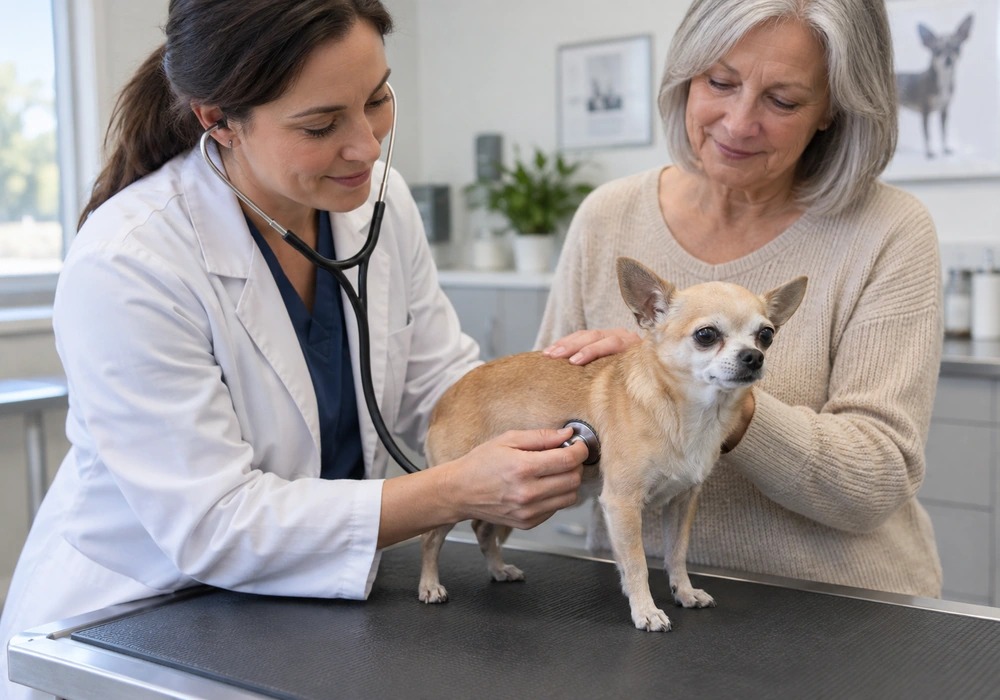
Myxomatous mitral valve disease is common in aging small dogs. A veterinarian may first detect a heart murmur before the dog appears ill. A murmur does not automatically mean heart failure, and its loudness alone does not reveal the stage of disease. Chest imaging or an echocardiogram may be recommended when examination findings or symptoms justify it.
At home, note coughing, reduced stamina, weakness, fainting, difficulty settling, or faster breathing during sleep. When your dog is fully asleep and not dreaming, count one chest rise and fall as one breath for 30 seconds, then double it. Record the result rather than reacting to a single number. A persistent increase from your dog’s usual baseline, especially a rate repeatedly above about 30 breaths per minute in a dog with known heart disease, should be discussed promptly with the veterinarian managing that dog.
2. Tracheal Collapse and Chronic Cough
A dry “goose-honk” cough can occur when weakened tracheal cartilage allows the airway to narrow. Excitement, heat, smoke, excess weight, and pressure from a neck collar may worsen it. Use a well-fitted chest harness for walks and keep the air free of smoke, vaping, incense, aerosol sprays, and strongly scented diffusers.
Coughing has several possible causes, including heart and airway disease, so do not diagnose tracheal collapse from the sound alone. Video an episode if it is safe to do so. Labored breathing, blue or gray gums, collapse, or a cough that becomes a respiratory struggle is an emergency.
3. Dental Disease and Tooth Loss
A Chihuahua’s small jaw can leave teeth crowded and difficult to clean. Periodontal disease may cause pain, infection, loose teeth, and reluctance to eat even when the dog still approaches the bowl. Signs include strong odor, dropping food, chewing on one side, pawing at the mouth, facial swelling, or preferring softened meals.
A professional dental assessment is different from cosmetic cleaning. Your veterinarian can determine whether dental X-rays, anesthesia, extractions, or pain control are needed. At home, use only dog-safe oral-care products and stop if brushing causes pain or bleeding.
4. Arthritis and Patellar Luxation
Medial patellar luxation, previous orthopedic injuries, and osteoarthritis can make slippery floors, stairs, and furniture jumps difficult. An older Chihuahua may hesitate before jumping, briefly carry a back leg, take longer to rise, or repeatedly change position at night.
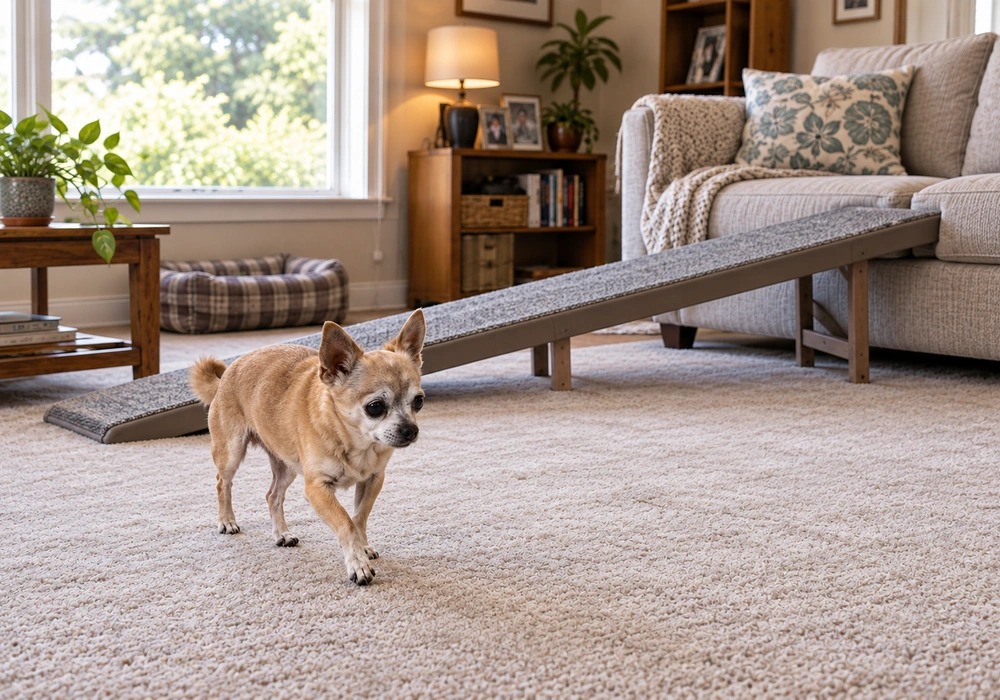
Place nonslip runners along normal routes, use a stable low-incline ramp, and provide a supportive bed with a low entry. Keep nails short enough for traction. Gentle, regular movement usually supports mobility better than rare bursts of strenuous exercise, but the plan should match the dog’s heart, airway, and joint health.
5. Kidney and Urinary Changes
Early kidney disease can be quiet. Increased thirst, larger urine volumes, nighttime accidents, poor appetite, nausea, weight loss, or dullness may appear as disease progresses. Senior screening commonly includes blood chemistry and urinalysis; blood pressure and additional markers such as SDMA may help the veterinarian interpret kidney function.
Never restrict water to reduce accidents. A dog who repeatedly strains but produces little or no urine needs urgent care. Dietary changes for kidney disease should be based on test results and veterinary advice rather than age alone.
6. Cognitive and Sensory Decline
Canine cognitive dysfunction can affect orientation, social interaction, sleep, house-training, activity, and anxiety. Veterinarians often organize these signs with the acronym DISHAA: disorientation, interaction changes, sleep-wake changes, house-soiling, activity changes, and anxiety.
Night pacing or confusion does not prove cognitive dysfunction. Pain, urinary urgency, seizures, hearing loss, vision loss, and other medical problems can look similar. Keep furniture in familiar positions, add dim nightlights, and provide clear nonslip paths to the bed, water, and toilet area while your veterinarian investigates the cause.
How to Feed a Senior Chihuahua
The word “senior” on a food bag tells you very little about whether that food suits your dog. Look at body condition, muscle loss, dental comfort, activity, and any diagnosed disease. An older dog may need fewer calories without needing less protein. Unless a veterinarian recommends a disease-specific change, enough high-quality protein helps protect lean muscle.
- Weigh food in grams when possible. A tablespoon-sized error is meaningful for a tiny dog.
- Watch muscle as well as weight. A stable scale reading can hide muscle loss and fat gain, so ask the veterinarian to assess both.
- Keep treats and table extras below about 10% of daily calories.
- For a sore mouth, soften or rehydrate the food. Slight warming can make a meal more appealing to a dog with a weaker sense of smell.
- Two or three scheduled meals may be easier to eat and monitor than one large serving.
- Read labels on broth and baby food before using them as toppers. Some contain onion, garlic, or a large amount of sodium.
If you are comparing foods, see our guide to the best dog food for senior Chihuahuas. A veterinarian or veterinary nutritionist should guide homemade diets and any diet used to manage heart, kidney, gastrointestinal, or pancreatic disease.
| What you notice | Possible reason | Useful next step |
| Weight gain with normal appetite | Lower energy needs, fewer walks, or excess treats | Review portions in grams and assess body condition |
| Weight loss despite eating | Dental, intestinal, endocrine, kidney, or other disease | Schedule an examination rather than simply adding calories |
| Approaches food but backs away | Mouth pain, nausea, or difficulty chewing | Request dental and medical evaluation |
| Sudden refusal to eat | Pain or illness; small dogs can weaken quickly | Contact a veterinarian promptly, especially with vomiting or lethargy |
Make the Home Easier to Navigate
You do not need a house full of special equipment. Start with the places where your dog slips, jumps, or has trouble settling. Chihuahuas lose body heat easily, and the effect becomes more noticeable as muscle and body fat decline. Put the bed away from drafts and add a light layer if your dog is comfortable wearing one. Supervise heated pet products and make sure the dog can move away from the heat.
Senior Chihuahua Home Checklist
- Use a padded chest harness instead of attaching the leash to a neck collar.
- Add nonslip mats from the bed to food, water, and the toilet area.
- Use ramps or block unsafe furniture jumps; confirm that any ramp is stable.
- Choose a supportive, low-entry bed in a warm area away from drafts.
- Keep furniture and essential resources in predictable locations.
- Add dim nightlights for a dog with reduced vision or nighttime confusion.
- Keep bowls easy to reach and avoid making an arthritic dog climb stairs for water.
- Remove smoke, incense, strong aerosols, and fragranced diffusers from the dog’s airspace.
Exercise, Enrichment, and Daily Routine
Age does not remove the need to walk, sniff, and spend time with people. Several short outings are often easier than one long walk. Watch the dog, not the clock: a shortening stride, heavier breathing, lagging behind, or an unusually long recovery means the outing was too demanding. Use indoor scent games on very hot, cold, or smoky days.
A few pieces of food hidden around one room can be enough enrichment. So can two minutes of familiar reward-based training. Dogs with poorer sight, hearing, or cognition usually cope better when meals, walks, and bedtime happen at roughly the same times each day.
What to Discuss at Senior Veterinary Checkups
For many senior dogs, six months is a reasonable gap between examinations. A dog with an unstable condition may need to return sooner. The veterinarian may check weight and muscle condition, teeth, heart, lungs, joints, blood pressure, bloodwork, and urine. Imaging and specialist tests are chosen from what the examination shows.
Bring an up-to-date list of medications and supplements. A phone video of a cough, limp, odd breathing pattern, or confused nighttime episode can be useful too. “She coughed six times after climbing the stairs” gives the veterinarian more to work with than “she seems old lately.”
| Track at home | How often | What makes it worth reporting |
| Body weight | Weekly or every two weeks on the same scale | A consistent rise or fall, even if appetite seems normal |
| Food and water intake | Daily | Refusal, obvious increase in thirst, nausea, or difficulty chewing |
| Sleeping breathing rate | As advised, especially with heart disease | A persistent increase from baseline or greater breathing effort |
| Mobility and comfort | Daily | Stiffness, slipping, limping, reluctance to jump, or difficulty lying down |
| Behavior and sleep | Daily | Night pacing, confusion, house-soiling, withdrawal, or new anxiety |
| Good days and difficult days | Mark on a calendar | A pattern in which difficult days begin to outnumber comfortable ones |
How to Think About Quality of Life
A dog can still eat while struggling in other parts of the day, so appetite cannot carry the whole quality-of-life assessment. The HHHHHMM framework gives families seven areas to discuss with their veterinary team. Use it to notice a pattern, not to make a difficult decision from one score.
Write down what actually happened. “Ate breakfast, asked to sit in the sun, and slept comfortably” is more useful than “good day.” Repeated breathlessness, uncontrolled pain, difficulty staying clean, or no longer enjoying familiar activities deserves a frank conversation with the veterinarian.
When a Senior Chihuahua Needs Urgent Care
Do not wait for a routine appointment if your Chihuahua has:
- Labored or open-mouth breathing at rest, blue or gray gums, or collapse
- Repeated coughing with distress or inability to settle and breathe comfortably
- Sudden inability to walk, severe pain, or continuous crying
- Repeated vomiting or diarrhea, especially with weakness or refusal to drink
- Straining to urinate without producing urine
- A seizure, sudden severe disorientation, head tilt, or loss of balance
- A swollen abdomen, repeated unproductive retching, pale gums, or signs of shock
Keep the dog calm, minimize unnecessary movement, and call the nearest emergency veterinary hospital while arranging transport.
Frequently Asked Questions
How often should a senior Chihuahua see the veterinarian?
Every six months is a common starting point for a senior Chihuahua, but dogs with heart, kidney, airway, dental, or mobility problems may need more frequent monitoring. The schedule should be based on examination findings and how quickly the dog’s condition can change.
What age is considered old for a Chihuahua?
Many Chihuahuas enter a practical senior-care stage around 10 years of age, while dogs 14 and older may be considered geriatric. These ranges are flexible. A dog’s health, mobility, cognition, and test results matter more than the birthday alone.
Should senior Chihuahuas eat less protein?
Not simply because they are older. Adequate high-quality protein helps preserve lean muscle. A veterinarian may adjust protein, phosphorus, sodium, fat, or other nutrients when a diagnosed disease requires it, but broad restriction without a clinical reason can be unhelpful.
Why is my old Chihuahua restless at night?
Pain, a need to urinate, heart or breathing disease, vision or hearing loss, anxiety, and canine cognitive dysfunction can all disturb sleep. Record what the dog does, note other symptoms, and arrange a veterinary assessment rather than assuming the change is normal aging.
How can I keep an older Chihuahua warm safely?
Use a draft-free bed, soft blankets, and a lightweight layer if the dog tolerates clothing. Avoid unattended high-heat pads or anything the dog cannot move away from. Check the skin regularly because older dogs may not respond normally to excess heat.
Can I give my senior Chihuahua human pain medicine?
No. Common human pain relievers can cause serious stomach, kidney, liver, or blood problems in dogs. Pain treatment must account for body size, kidney and heart health, and other medications, so it should be chosen by a veterinarian.
The Bottom Line
Measure meals, use a harness, cover slippery walking routes, and give your Chihuahua a warm place to sleep. Keep brief notes on weight, appetite, breathing, movement, and behavior so that gradual changes do not disappear into the daily routine.
A new cough, poor appetite, nighttime confusion, or reluctance to move is not explained simply by age. Have it checked. Treating pain or disease early may give your Chihuahua more comfortable days and more time to enjoy familiar routines.
Reviewed Veterinary Resources
This article provides general educational information and is not a diagnosis or a substitute for veterinary care. Medication, supplements, calorie targets, and disease-specific diets should be selected for the individual dog by a veterinarian.
Related Articles
7 Fun Games for Dog Mental Stimulation
Mental stimulation for dogs is play and problem-solving that works the brain instead of just the legs: scent games, puzzle toys, hidden treats, new tricks. A physically tired dog can
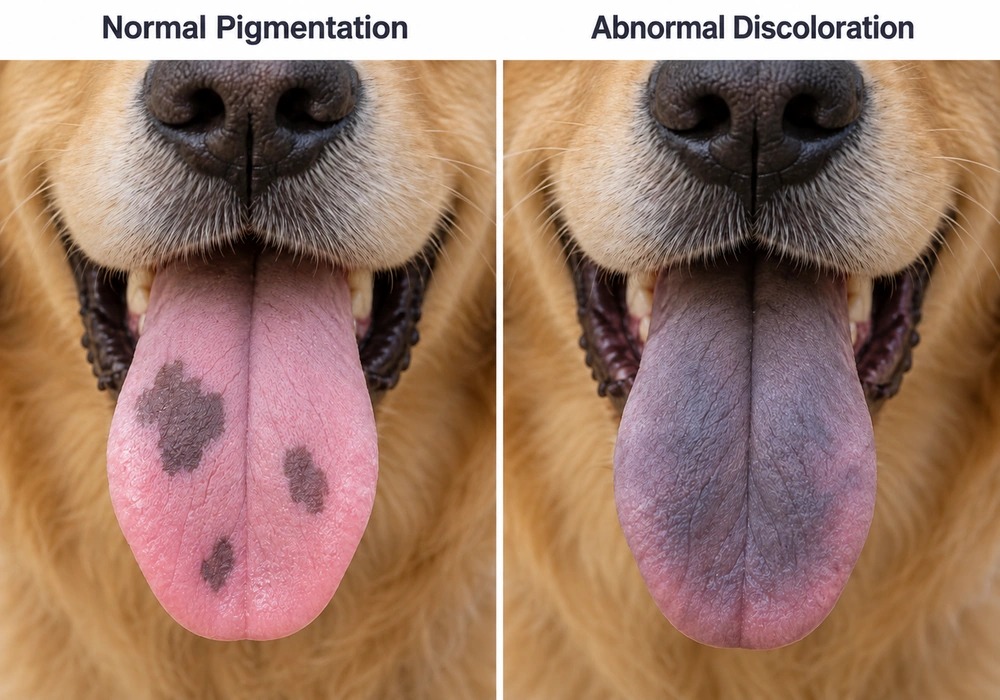
Why Is My Dog’s Tongue Grey?
Canine oral health and emergency triage Why Is My Dog's Tongue Grey? A grey tongue in dogs does not always mean the same thing. Some dogs are born with dark
How to Identify Canine Hormone Imbalance Symptoms
Canine endocrine health How to Identify Canine Hormone Imbalance Symptoms Hormones influence a dog's metabolism, appetite, thirst, skin, coat, muscles, stress response, blood sugar, and reproductive cycle. Most endocrine disorders