
Living with a dog brings companionship, routine, and emotional support into everyday life. Most of the time, this close relationship is completely safe. However, because dogs and humans share the same environment, certain bacteria, parasites, and fungi can occasionally pass between them. Understanding how this happens helps owners make simple choices that protect both their pets and their families.
Some dog-related illnesses are minor and easy to treat, while others require more careful prevention. Learning about these conditions is not about creating fear, but about building healthier habits at home. With basic hygiene, regular vet visits, and awareness of warning signs, the risk can be kept very low.
Most of these risks are easy to manage once you know they exist. You don’t need to change the way you live with your dog — just pay attention to basic hygiene and your dog’s health. When problems are caught early, they are usually much easier to handle. A bit of knowledge goes a long way in keeping both you and your dog safe and comfortable.
The Bacterial Landscape
Bacteria represent one of the most common vectors for cross-species transmission. While many people worry about rabies, the more frequent threats are often microscopic and found in a dog’s digestive tract or urine. Salmonella and Campylobacter are prime examples; these enteric bacteria can reside in a dog’s gut without causing obvious symptoms, yet they can lead to severe gastrointestinal distress in humans if hand hygiene is overlooked after fecal cleanup.
Another significant bacterial concern is Leptospirosis. Often spread through the urine of infected dogs (who may have contracted it from wildlife), this spiral-shaped bacteria can survive in damp soil or standing water for weeks. Humans can inadvertently absorb the bacteria through small cuts in the skin or mucous membranes while cleaning up after their pet or gardening in contaminated soil.
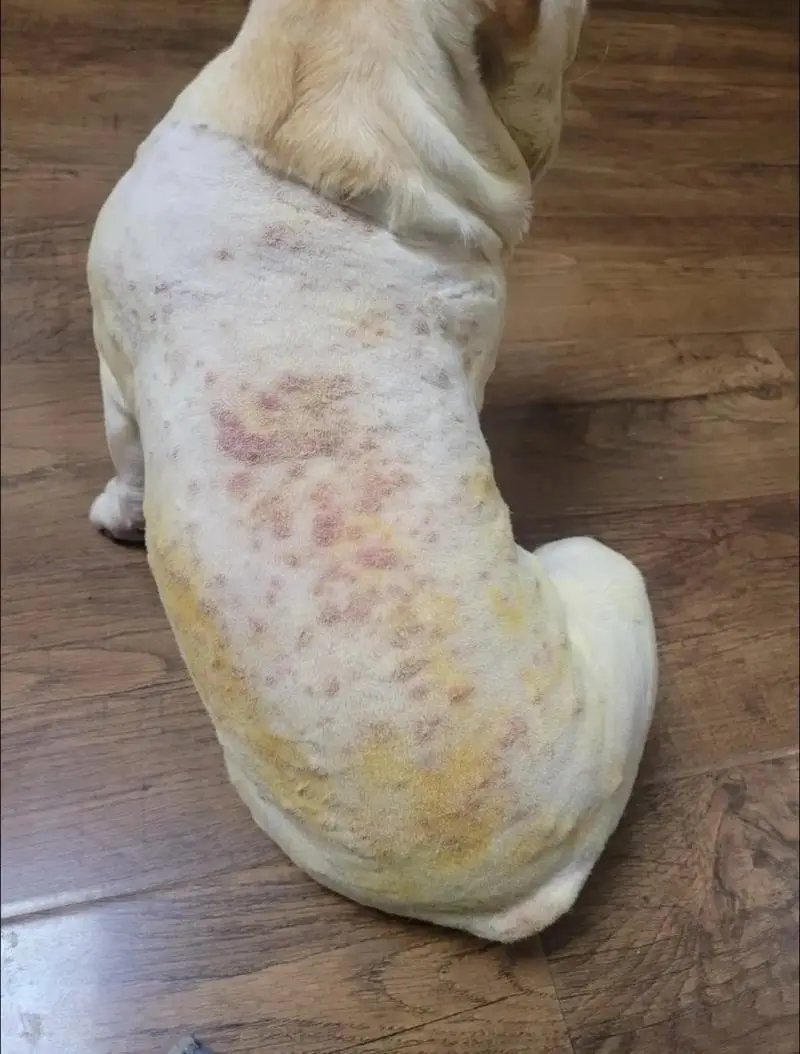
“The most effective shield against zoonotic bacteria is not isolation, but a consistent routine of soap and water.”
The Persistence of Parasites
| Pathogen | Transmission | Actionable Step |
| Capnocytophaga | Saliva (Bites/Licks) | Disinfect bites; avoid face licks. |
| Giardia | Contaminated Water | Carry fresh water on walks. |
| Sarcoptic Mange | Direct Fur Contact | Isolate infected pets during treatment. |
| Brucellosis | Reproductive Fluids | Vet screening before breeding. |
The Strategy of Risk Reduction
Minimizing the risk of zoonotic disease does not require a sterile, joyless home. Instead, it requires three pillars of responsibility: Physical Hygiene, Environmental Control, and Veterinary Vigilance.
Physical Hygiene: This is the most critical factor. Handwashing after any interaction with pet waste, raw food, or muddy paws should be instinctive. Furthermore, while the “kisses” of a dog are often seen as affection, they are a primary way for oral bacteria to transfer. Owners with compromised immune systems or open skin wounds should be especially cautious.
Environmental Control: The yard and the home are extensions of your dog’s health. Removing waste immediately prevents parasite larvae from entering the soil. Cleaning dog bedding weekly in hot water and maintaining separate areas for pet food preparation significantly limits cross-contamination.
Veterinary Vigilance: Many zoonotic risks are silenced through simple, routine care. Monthly parasite preventatives, annual fecal exams, and vaccinations (particularly for Rabies and Leptospirosis) create a biological firewall that protects both the dog and the human family members.
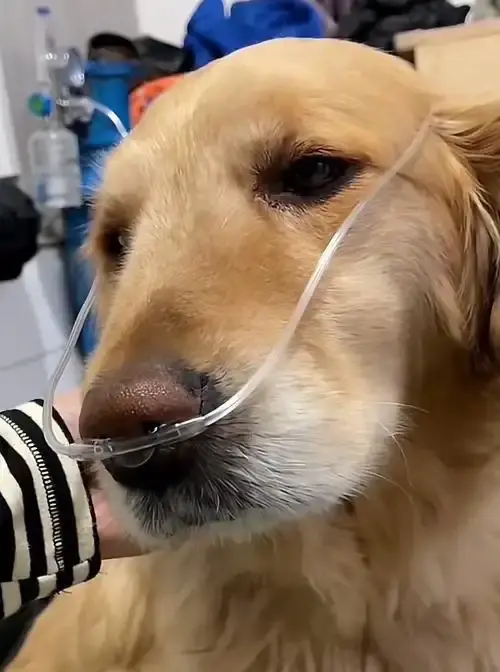
The essence of living with a dog is acknowledging that they are biological beings with their own unique ecosystems. When we choose to bring them into our lives, we take on the role of their guardian—and by extension, the guardian of our own health. By moving through the world with a sense of informed caution rather than reactionary fear, we ensure that the bond remains exactly what it was meant to be: a source of health, happiness, and companionship. The risks are real, but they are also eminently manageable for any owner willing to put in the basic work of hygiene and care.
Related Articles

Dog Guarding Owner Behavior: Is It Loyalty or a Mental Health Red Flag?
We’ve all been there: You’re relaxing on the sofa, your dog is curled up by your feet, and a family member walks into the room. Suddenly, the "good boy"

Why Do Dogs Show Behaviour Changes When They Are in Season and How to Support Them
Watching your female dog experience her season for the first time can be confusing, especially when her behavior suddenly changes. Hormones play a big role during this period and can

Understanding The Sudden Reasons Why Your Dog’s Behavior Has Changed And Effective Steps To Take
Noticing that your beloved canine companion has started acting strangely can be deeply worrying for any pet owner. Whether it shows up as sudden aggression, unusual tiredness, or destructive behavior,