
Dogs change throughout life, but age alone does not explain every new behavior. Puppies explore with their mouths, adolescents test boundaries, adults become more predictable, and senior dogs often need more rest and support. Sudden confusion, nighttime pacing, house-soiling, withdrawal, or irritability may instead point to pain, sensory loss, illness, or canine cognitive dysfunction.
Dog Behavior at Each Life Stage
Dogs do not mature on an identical schedule. Breed, expected adult size, health, training, and early experiences all influence when one stage gives way to the next. The following patterns are broad guides rather than fixed deadlines.
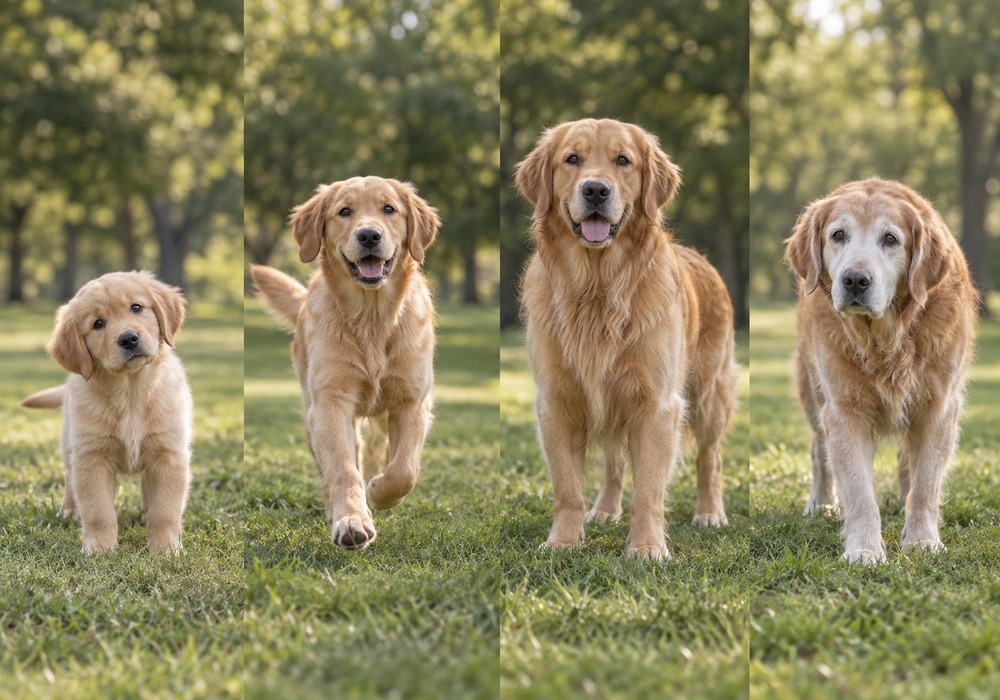
Puppyhood
Expect chewing, mouthing, curiosity, short bursts of energy, frequent sleep, and occasional fear of unfamiliar experiences. Consistent routines and gentle social learning help puppies develop confidence and self-control.
Adolescence
Independence, distractibility, excitement, marking, frustration, and inconsistent responses often become more noticeable. A dog who appears to have forgotten training may simply be struggling to focus in a more exciting world.
Adulthood
Energy and social preferences become more predictable, but adult dogs continue learning. Changes in household routine, exercise, health, or reinforcement can still alter behavior.
Senior Years
Older dogs may sleep longer, move more slowly, seek quieter interactions, and need more time to adjust. These changes should remain understandable in context and should not automatically be dismissed as “just old age.”
Normal Aging Versus a Possible Health Problem
One isolated change may not tell you much. Look at when it began, how often it happens, whether it is getting worse, and which physical symptoms occur with it.
| What you observe | May occur with normal aging | More concerning pattern |
| Sleep | Sleeps longer but rests comfortably | Paces, pants, cries, or cannot settle at night |
| Social behavior | Prefers shorter or quieter interactions | Suddenly hides, becomes unusually clingy, or reacts aggressively |
| Training | Responds a little more slowly | Appears to forget familiar routines or established cues |
| Movement | Walks more slowly without obvious discomfort | Struggles to rise, slips, avoids stairs, or reacts to touch |
| Toileting | Needs more frequent outdoor breaks | Starts eliminating indoors or no longer signals |
| Orientation | Pauses briefly in an unfamiliar place | Becomes lost at home or gets trapped behind furniture |
| Appetite | Minor preference changes | Stops eating, becomes unusually hungry, or loses weight |
Canine Cognitive Dysfunction and DISHAA
Canine cognitive dysfunction syndrome is an age-related condition that can affect memory, learning, awareness, sleep, and daily function. Veterinarians often organize possible signs with the acronym DISHAA. It is a screening framework, not a diagnosis owners can make at home.
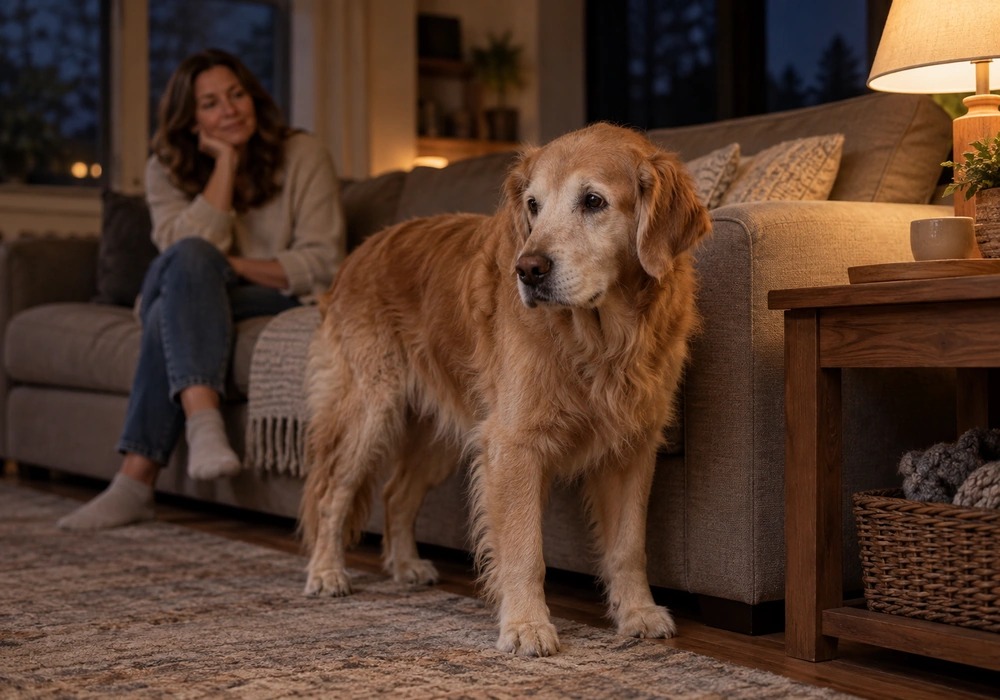
Disorientation
The dog may stare into space, become trapped in corners, walk to the hinge side of a door, or seem lost in a familiar room.
Social Interaction
A formerly social dog may withdraw, become unusually dependent, or react irritably when approached or touched.
Sleep–Wake Changes
The dog may sleep heavily during the day, then pace, pant, wander, or vocalize during the night.
House-Soiling
A house-trained dog may stop signaling or eliminate indoors, although urinary disease, digestive trouble, pain, and reduced mobility must also be considered.
Activity Changes
Some dogs lose interest in exploration. Others develop repetitive pacing, circling, staring, or surface licking.
Anxiety
New sound sensitivity, fear of dark rooms, distress when alone, or panic after small household changes may appear.
The signs often develop slowly, so families may adapt their routines without realizing how much the dog has changed. Early evaluation matters because pain, organ disease, sensory loss, neurological conditions, and other treatable problems can produce similar behavior.
Health Problems That Can Resemble Behavioral Aging
Before assuming that an older dog has cognitive dysfunction, a veterinarian will consider physical and neurological causes. Several common problems can change how a dog moves, sleeps, responds, and interacts.
Pain and arthritis
Pain may cause hesitation, reduced play, nighttime restlessness, house-soiling, guarding, irritability, or avoidance of touch.
Hearing loss
A dog may sleep more deeply, ignore cues, startle when touched, bark differently, or stay closer to family members for guidance.
Vision changes
Bumping into objects, reluctance in dim light, increased dependence, or anxiety in unfamiliar spaces can follow declining vision.
Urinary or kidney disease
Increased thirst, frequent urination, accidents, restlessness, appetite changes, or weight loss require medical assessment.
Hormonal or metabolic disease
Thyroid, adrenal, diabetic, and other systemic conditions can affect energy, appetite, sleep, tolerance, and responsiveness.
Neurological disease
Circling, seizures, weakness, altered awareness, balance problems, or a sudden personality change warrant prompt veterinary care.
How to Track Behavior Changes at Home
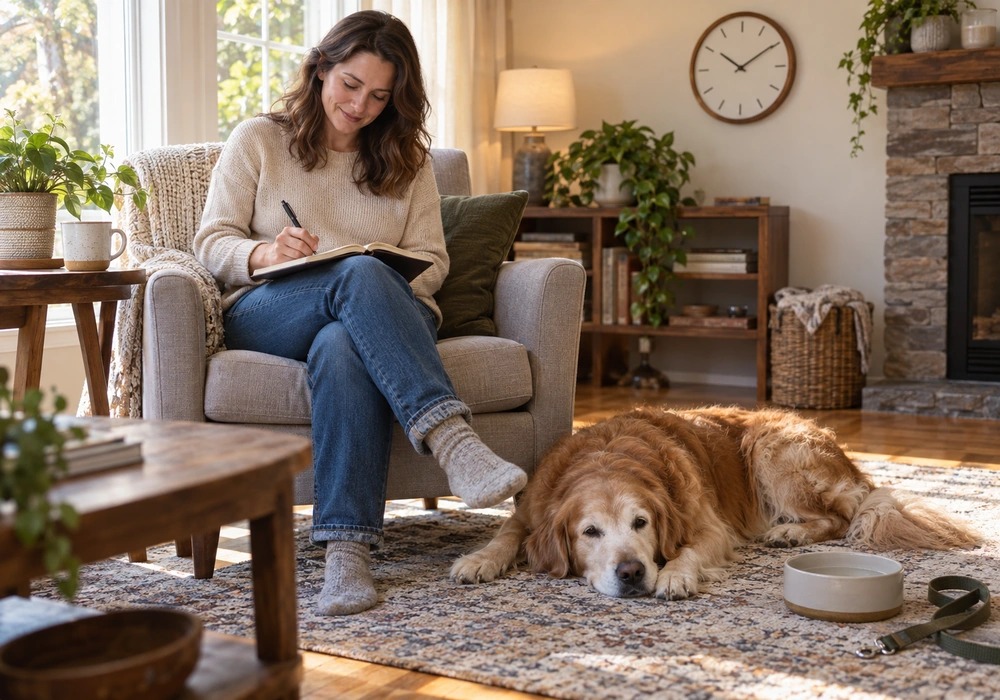
A written record gives your veterinarian more useful information than a general statement that your dog “seems different.” Record the ordinary days as well as the difficult ones.
Helping a Dog Adjust to Age-Related Changes
Support should reduce effort and uncertainty without removing every enjoyable activity. Adapt the environment to the dog in front of you rather than expecting the dog to keep up with an old routine.
Keep routines predictable
Use consistent meal, medication, walk, toileting, and bedtime schedules. Introduce unavoidable changes in small steps.
Make movement easier
Provide nonslip runners, supportive bedding, ramps where appropriate, and easy access to water and toileting areas.
Improve evening visibility
Night-lights and clear walking routes may help dogs with reduced vision or disorientation move more confidently after dark.
Continue gentle enrichment
Use sniffing walks, simple food puzzles, short training sessions, and familiar games adjusted to the dog’s mobility and stamina.
When a Veterinary Appointment Should Not Wait
Arrange prompt veterinary care if your dog develops one or more of the following changes:
- Sudden confusion, collapse, seizures, circling, weakness, or loss of balance
- Labored breathing, pale or blue gums, or an inability to settle
- A dramatic personality change, severe fear, or new aggression
- Repeated vomiting, diarrhea, refusal to eat, or rapid weight change
- Markedly increased thirst or urination
- Signs of pain, difficulty standing, or reluctance to move
- New house-soiling, nighttime distress, or disorientation that persists
One dramatic symptom is enough to justify a call. You do not need to wait for several warning signs to appear together.
Frequently Asked Questions
At what age does dog behavior begin to change?
Behavior changes throughout life rather than beginning at one universal age. Breed and adult size influence maturity and senior status. What matters most is whether a change is gradual, understandable, and unaccompanied by signs of discomfort or illness.
Do dogs naturally become calmer with age?
Many dogs become less impulsive after adolescence, but temperament, breed, exercise, training, health, and environment still matter. A sudden loss of interest or energy should not automatically be interpreted as calm maturity.
Why is my older dog suddenly following me everywhere?
Pain, anxiety, hearing or vision loss, illness, and cognitive dysfunction can all make an older dog stay closer to familiar people. Sudden clinginess deserves more attention than a lifelong habit of following.
Is nighttime pacing normal in an old dog?
Occasional restlessness can happen, but repeated pacing, panting, crying, wandering, or reversal of the sleep–wake cycle should be discussed with a veterinarian. Pain, urinary urgency, anxiety, medication effects, and cognitive dysfunction are possible causes.
Can an older dog forget house training?
Cognitive decline can affect established routines, but urinary disease, kidney disease, digestive problems, pain, reduced mobility, and insufficient access to outdoor breaks should be investigated first.
Can canine cognitive dysfunction be cured?
There is no simple cure, but early veterinary care may help manage symptoms and preserve quality of life. The plan may include treatment of concurrent disease, environmental changes, enrichment, dietary support, and veterinarian-prescribed medication when appropriate.
The Bottom Line
Dog behavior changes with age, but those changes should still make sense in context. Puppies are impulsive because they are learning. Adolescents become distracted as their world expands. Adult dogs develop clearer preferences. Senior dogs may need more rest and a simpler routine.
Confusion at home, broken sleep, new house-soiling, sudden irritability, withdrawal, or an abrupt change in attachment may be the first visible sign of a health problem. Keep a written record and arrange a veterinary examination rather than assuming your dog is “just getting old.”
Related Articles
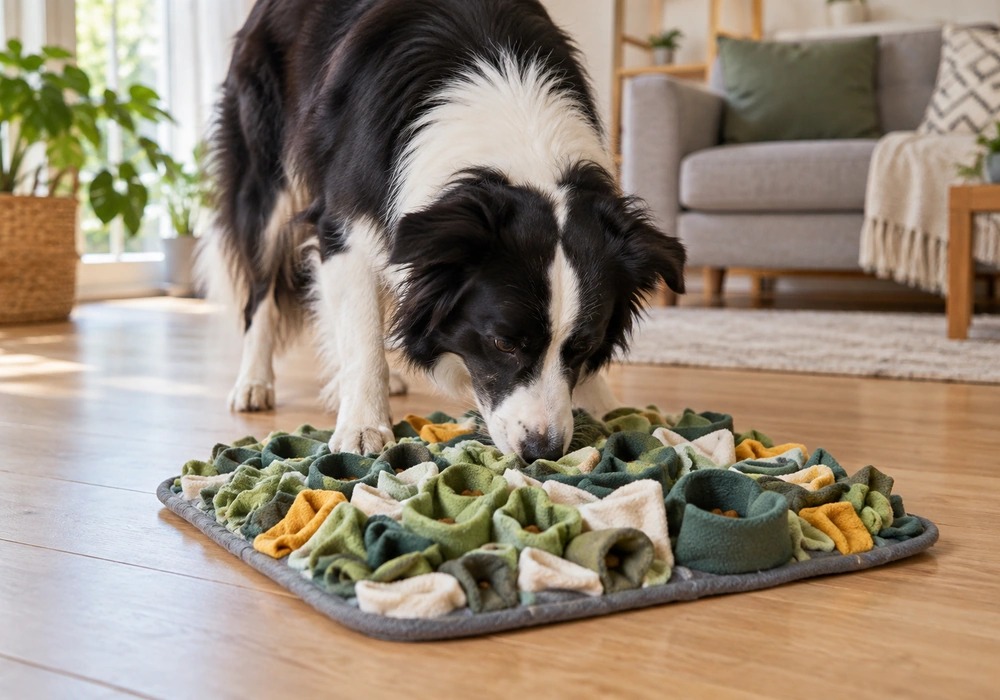
7 Fun Games for Dog Mental Stimulation
Mental stimulation for dogs is play and problem-solving that works the brain instead of just the legs: scent games, puzzle toys, hidden treats, new tricks. A physically tired dog can
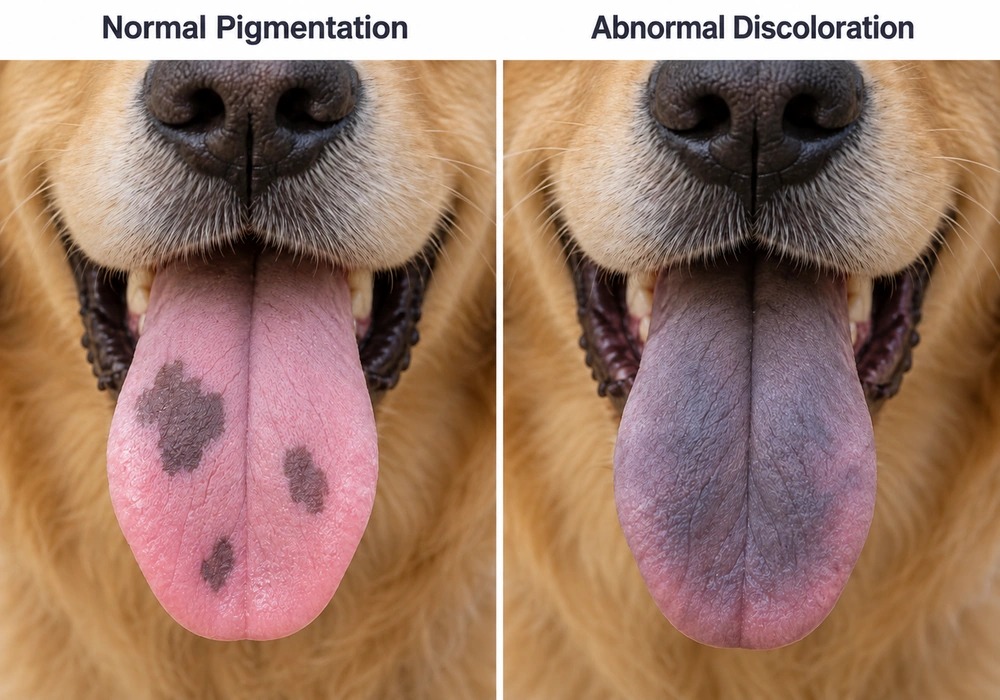
Why Is My Dog’s Tongue Grey?
Canine oral health and emergency triage Why Is My Dog's Tongue Grey? A grey tongue in dogs does not always mean the same thing. Some dogs are born with dark
How to Identify Canine Hormone Imbalance Symptoms
Canine endocrine health How to Identify Canine Hormone Imbalance Symptoms Hormones influence a dog's metabolism, appetite, thirst, skin, coat, muscles, stress response, blood sugar, and reproductive cycle. Most endocrine disorders