
We’ve all been there: You’re relaxing on the sofa, your dog is curled up by your feet, and a family member walks into the room. Suddenly, the “good boy” disappears. Your dog goes stiff, lets out a low rumble, or physically wedges himself between you and the “intruder.”
It’s easy to look at that and think, “Aw, he’s just protecting me.” But if we look at it through the lens of dog mental health, the reality is a bit more complicated. Most of the time, dog guarding owner behavior isn’t about being a heroic bodyguard—it’s actually a form of Resource Guarding.
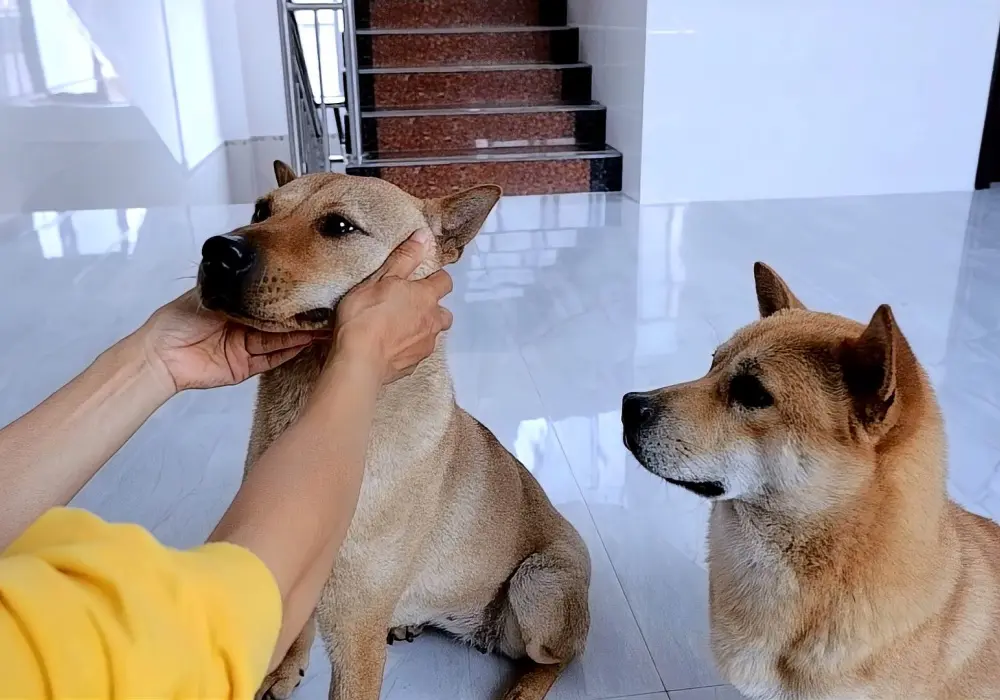
To your dog, you aren’t just a best friend; you are a high-value “resource,” much like a juicy marrow bone or a favorite squeaky toy.
The Tell-Tale Signs: Is Your Dog “Bodyguarding”?
Dogs are masters of body language, but their warnings are often subtle—until they aren’t. Catching these “quiet” red flags is key to early intervention.
| BEHAVIOR | WHAT IT LOOKS LIKE | MEANING |
|---|---|---|
| The “Statue” | Complete rigidity as someone approaches. | High alert, ready to react. |
| The Whale Eye | Whites of eyes visible while tracking. | Anxiety and intense monitoring. |
| The Wedge | Physically blocking access to you. | Claiming ownership of the space. |
Why Do They Do It? (Hint: It’s Not About Dominance)
The old-school “alpha dog” theories have mostly been debunked. In modern canine behavior science, guarding behavior usually stems from internal stress.
1. Insecurity & Anxiety: Fearful dogs feel that if they lose control of the human who provides safety, their world will fall apart.
2. Accidental Reinforcement: Peting a growling dog to “calm it” often tells the dog that growling earns rewards.
How to Manage the “Personal Bodyguard” Complex
- The “Trade-Up” Philosophy: Never punish the growl. Use high-value treats to teach your dog that strangers approaching means “Good things are coming.”
- Set Clear Boundaries: If guarding happens on the couch, the couch becomes a privilege earned by calm behavior.
- Mental Decompression: A satisfied brain is a calm brain. Use puzzle toys and sniff walks.
The Long Game of Living with a Guardian
Training is a journey, not a sprint. While we all wish for a “magic wand” to solve resource guarding, the reality is much more about daily management and understanding your dog’s triggers. Keep your sessions positive, keep your boundaries clear, and always prioritize safety. If you’re ever in doubt or worried about a potential bite, reaching out to a certified behaviorist is the smartest next step you can take for your family’s safety.
Disclaimer: This article is for educational purposes only and does not replace professional veterinary or behavioral advice.
Related Articles

Dog Guarding Owner Behavior: Is It Loyalty or a Mental Health Red Flag?
We’ve all been there: You’re relaxing on the sofa, your dog is curled up by your feet, and a family member walks into the room. Suddenly, the "good boy"

Why Do Dogs Show Behaviour Changes When They Are in Season and How to Support Them
Watching your female dog experience her season for the first time can be confusing, especially when her behavior suddenly changes. Hormones play a big role during this period and can

Understanding The Sudden Reasons Why Your Dog’s Behavior Has Changed And Effective Steps To Take
Noticing that your beloved canine companion has started acting strangely can be deeply worrying for any pet owner. Whether it shows up as sudden aggression, unusual tiredness, or destructive behavior,