
Heat stroke in dogs isn’t just “overheating”—it is a life-threatening, acute hyperthermic emergency where a dog’s core body temperature climbs past 106 °F (41.1 °C). This extreme thermal load triggers a rapid cascade of cellular damage, systemic inflammatory response syndrome (SIRS), multi-organ failure, and widespread clotting abnormalities that can result in death within minutes.
Unlike humans, who possess sweat glands across their entire body surface area, dogs must rely almost entirely on rapid panting and limited sweating through their paw pads to dissipate heat. When ambient temperature and relative humidity overwhelm these thermal systems, their internal temperature spikes incredibly fast. Recognizing dog heat stroke symptoms early is the single most critical factor in protecting your dog from permanent brain damage or death.
Before introducing your dog to high-intensity summer activities, ensure their baseline health is fully stable by auditing their vitals against our checklist on the Signs of a Healthy Dog.
Emergency Disclaimer: This guide is for educational triage purposes and does not replace professional veterinary care. If your dog is collapsed, unresponsive, or showing signs of respiratory distress, transport them to the nearest emergency clinic immediately.
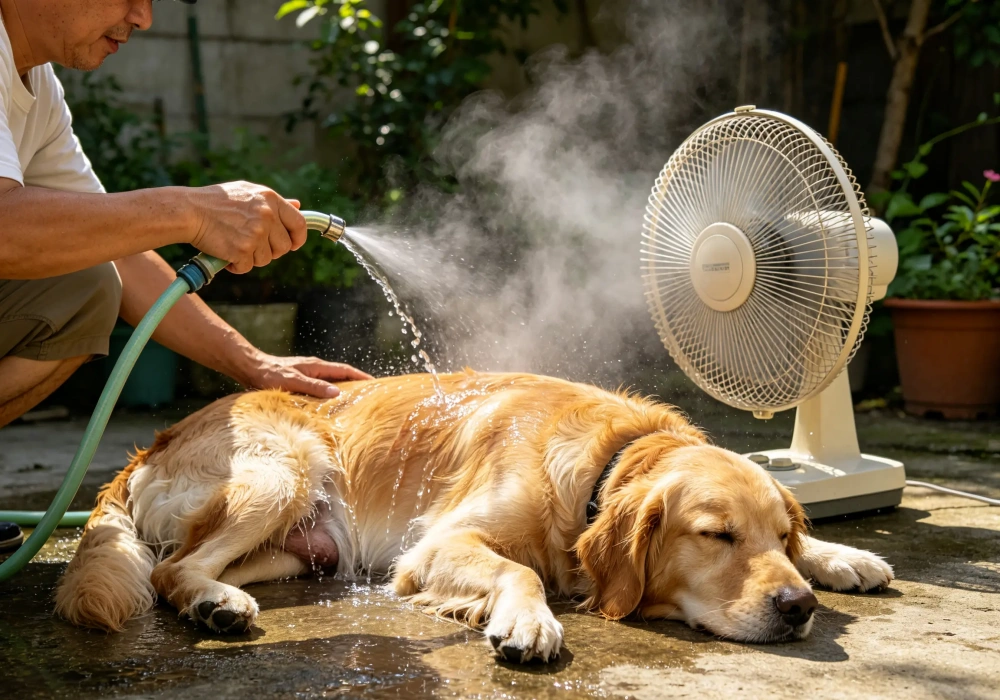
Why Heat and Humidity Are Dangerous for Dogs
Dogs do not cool down the same way people do. They cannot sweat through most of their skin, so they mainly release heat by panting. A small amount of sweating can happen through the paw pads, but it is not enough to protect them in hot or humid conditions.
Humidity makes heat stroke more dangerous because panting works by evaporating moisture from the tongue and airways. When the air is already full of moisture, evaporation slows down, and your dog may not be able to cool their body fast enough.
This means heat stroke can happen even when the temperature does not feel extreme to you. A warm, humid day, a parked car, direct sun, hot pavement, heavy exercise, or poor airflow can all push a dog into danger.
When a dog’s cooling system is overwhelmed, their body temperature can rise fast. Temperatures around 106°F (41.1°C) or higher are dangerous and can lead to serious internal damage, including injury to the brain, kidneys, digestive tract, and blood vessels. If your dog shows collapse, confusion, seizures, abnormal gum color, or bloody vomiting or diarrhea, start safe cooling and seek emergency veterinary care immediately.
Canine High-Risk Demographics
Every dog can suffer from heat stroke, but specific genetic traits and underlying health issues dramatically reduce a dog’s thermal tolerance threshold:
| VULNERABILITY CATEGORY | UNDERLYING PATHOPHYSIOLOGY | HIGH-RISK EXAMPLES |
|---|---|---|
| Brachycephalic breeds | Compromised, narrow airways limit air passage volume, making panting highly inefficient. | French Bulldogs, Pugs, English Bulldogs, Boxers, Boston Terriers |
| Thick double coats | Heavy undercoats trap a dense layer of hot air directly against the skin. | Huskies, Malamutes, Samoyeds, Chow Chows, Newfoundlands |
| Geriatric & Pediatric | Declining or immature thermoregulatory centers in the brain. | Seniors > 8 years, Puppies < 6 months |
| Obese (BCS 7-9/9) | Heavy layers of fat act as a blanket, trapping heat and placing heavy strain on the heart. | Any breed struggling with weight. Adjust their caloric intake using our Weight Loss Food Guide. |
| Cardiorespiratory Disease | Compromised airway flow or heart capacity prevents adequate circulation to shed heat. | Dogs managing mitral valve disease or tracheal collapse. Read our guide on canine congestive heart disease. |
7 Symptom Areas for Recognizing Dog Heat Stroke Symptoms
To identify a crisis before permanent organ failure occurs, systematically evaluate these seven clinical areas on your dog:
Area 1: Severe Respiratory Changes
Panting that does not slow down after 15 minutes of rest in a cool, shaded environment is a primary indicator of heat stress.
- The tongue appears abnormally long, wide, and dark pink or purple.
- Breathing sounds wet, raspy, or whistling (stridor), indicating severe laryngeal swelling.
- Open-mouth breathing with a frantic, wide-eyed expression.
Area 2: Hyperemic (Brick Red) Gums
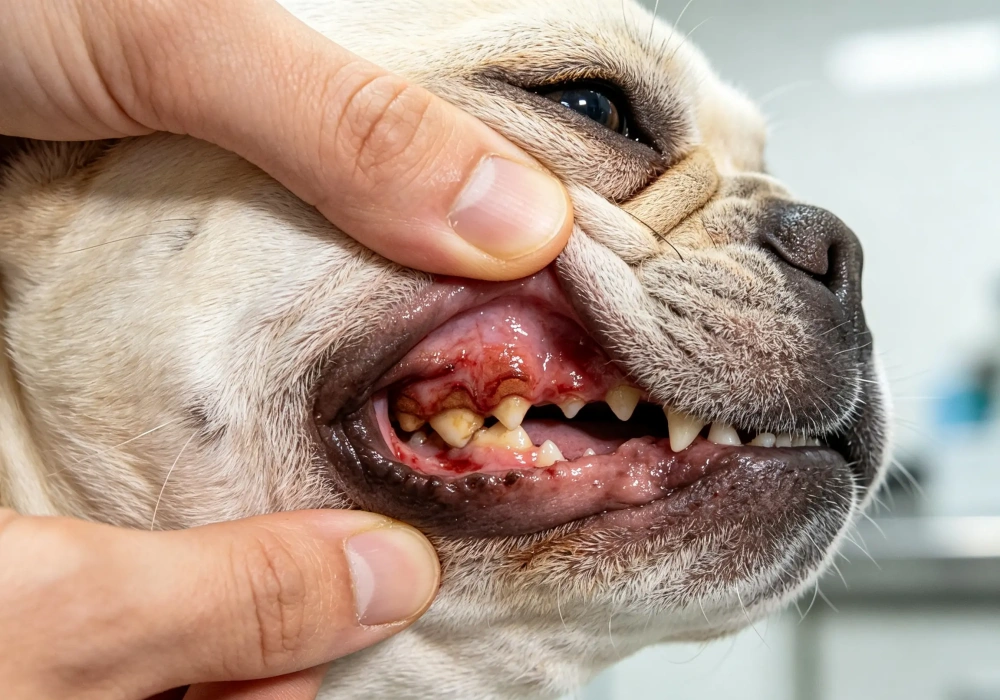
Checking the color of your dog’s mouth is the fastest way to assess their circulatory health during heat stress.
- Early Warning: Gums appear bright, brick red as the blood vessels dilate to dump heat.
- Late-Stage Emergency: Gums turn pale, gray, or blue-tinged, signaling systemic cardiovascular shock.
- Capillary Refill Time (CRT) exceeds 2 seconds to return to pink after being pressed.
Area 3: Thick, Ropey Saliva
As your dog dehydrates, their saliva thickens, which blocks their ability to evaporate heat through panting.
- Saliva becomes thick, sticky, and clings to the sides of their mouth.
- Foaming at the mouth or excessive drooling that looks frothy rather than watery.
Area 4: Mental State & Neurological Coordination
Thermal overload directly damages brain tissue, causing visible neurological symptoms.
- A wobbly, unsteady gait (ataxia) that resembles intoxication.
- Glassy, un-focused eyes that fail to track your movements.
- Progressive lethargy, unwillingness to stand, or complete collapse.
Area 5: Gastrointestinal Distress
High internal heat damages the gastrointestinal lining, allowing blood and bacteria to enter the digestive tract.
- Sudden, projectile vomiting (often containing blood).
- Watery or bloody diarrhea (which may look dark and tarry). For chronic stomach management after a crisis, read our guide on sensitive stomachs in dogs.
Area 6: Hyperthermia (Internal Temperature)
Relying on a dry nose is a dangerous myth. Using a rectal thermometer is the only way to measure internal heat accurately.
- Normal temperature: 101 °F to 102.5 °F (38.3 °C to 39.2 °C).
- Heat stroke: Any temperature exceeding 104.5 °F (40.3 °C) is highly abnormal; temperatures above 106 °F (41.1 °C) represent an active emergency.
Area 7: Neurological Collapse
As organ systems shut down, the central nervous system fails completely.
- Generalized seizures or uncontrollable muscle tremors.
- Complete unresponsiveness to physical touch or verbal commands.
- Involuntary loss of bladder or bowel control due to complete muscle relaxation.
Canine Heat Triage Calculator
Input your dog's breed risk profile, ambient conditions, and observed dog heat stroke symptoms and risk markers to estimate their immediate urgency level.
Triage Assessment Dashboard
2
Safe Baseline / Low Risk
Immediate Intervention Steps
Your dog's risk profile is currently low. Keep them hydrated, limit strenuous exercise during the hottest parts of the day, and continue to monitor their resting respiratory rates.
Symptom Severity Tracking Timeline
Understanding the rapid onset of dog heat stroke symptoms can help you visualize why emergency active cooling is necessary before permanent brain damage occurs:
The Emergency Cooling Protocol (Time is Tissue)
If your dog’s temperature is climbing past 105 °F (40.6 °C), or if they display brick-red gums and wobbly steps, start cooling them immediately. Do not wait for a vet clinic callback.
✅ What to Do (Evidence-Based)
- Move to Shade or A/C immediately: Stop all physical exercise and get out of the direct sun.
- Pour Lukewarm-to-Cool Water: Pour water over their entire body—focusing on the groin, armpits, and chest where major blood vessels run close to the skin. Never use ice water (see below).
- Evaporative Fan Cooling: Position a fan to blow directly on the wet dog. The combination of water and moving air is the most efficient cooling method.
- Offer Sips of Cool Water: Provide fresh water only if your dog is fully conscious and swallowing safely. Never force water into their mouth.
- Stop Cooling at 103 °F (39.4 °C): Stop cooling once their temperature drops to prevent their body temperature from plummeting too low (rebound hypothermia).
❌ What NOT to Do (Dangerous Mistakes)
- Do Not Use Ice Water/Ice Baths: Freezing water causes peripheral blood vessels to constrict (narrow). This traps the high heat inside their core organs, worsening the crisis.
- Avoid Shaving Double-Coated Breeds: Their double coat acts as insulation against the heat. Shaving them exposes their skin to sunburn, worsening their temperature regulation. Instead, groom them properly by reviewing our 7 Dog Grooming Tips.
- Do Not Cover with Dry Towels: Draping dry towels over a hot dog traps their body heat inside like a blanket. Keep them wet and exposed to moving air.
- Never Force Ice Cubes into Their Mouth: This creates a high risk of choking or fluid entering their lungs (aspiration pneumonia).
Frequently Asked Questions
Prevention is the Best Defense
Dog heat stroke is a fast-moving, scary emergency, but it is almost entirely preventable. By monitoring your dog’s activity on hot days, choosing cool morning or evening walks, and recognizing early dog heat stroke symptoms like dark red gums or thick drool, you can protect them from danger.
Stay alert, keep fresh water handy, and respect their physical limits. Your dog counts on you to keep them safe, comfortable, and out of harm’s way during the summer months.
Sources and veterinary references
Cornell Riney Canine Health Center: Heatstroke
VCA: Heat Stroke in Dogs
Royal Veterinary College: Heatstroke in dogs and cats
Today’s Veterinary Practice: Heatstroke in Dogs
Related Articles
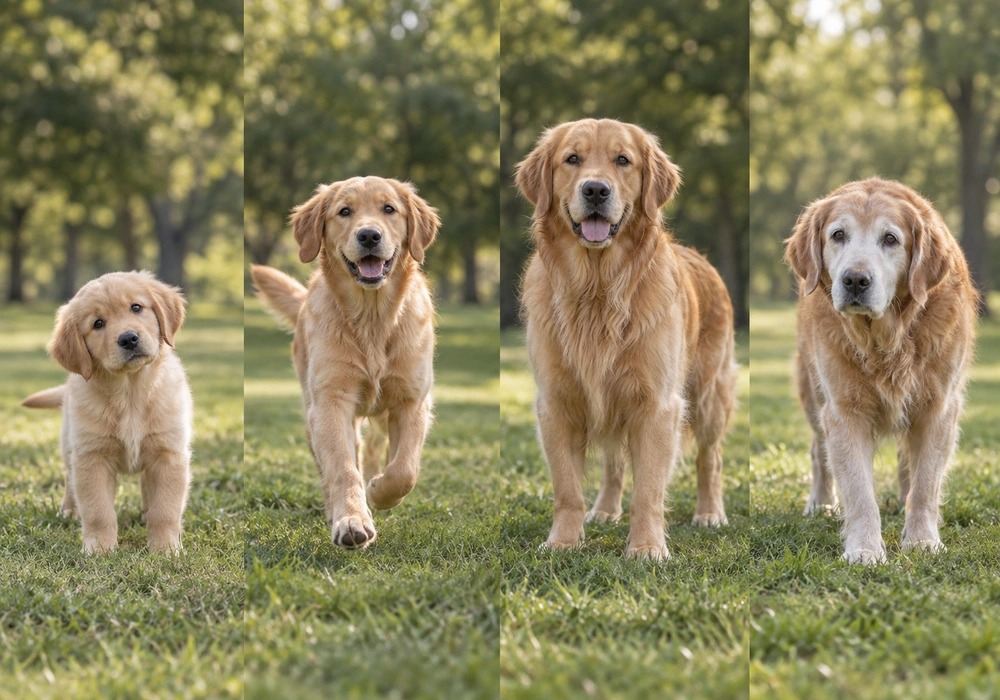
What Are Common Dog Behavior Changes with Age
Canine behavior and healthy aging Common Dog Behavior Changes with Age: What Is Normal and What Is Not? Dogs change throughout life, but age alone does not explain every new

Why Does My Dog Follow Me Everywhere?
DOG BEHAVIOR GUIDEIf you keep wondering, "Why does my dog follow me everywhere?", the answer is often quite ordinary: you are the safest and most rewarding part of your dog's
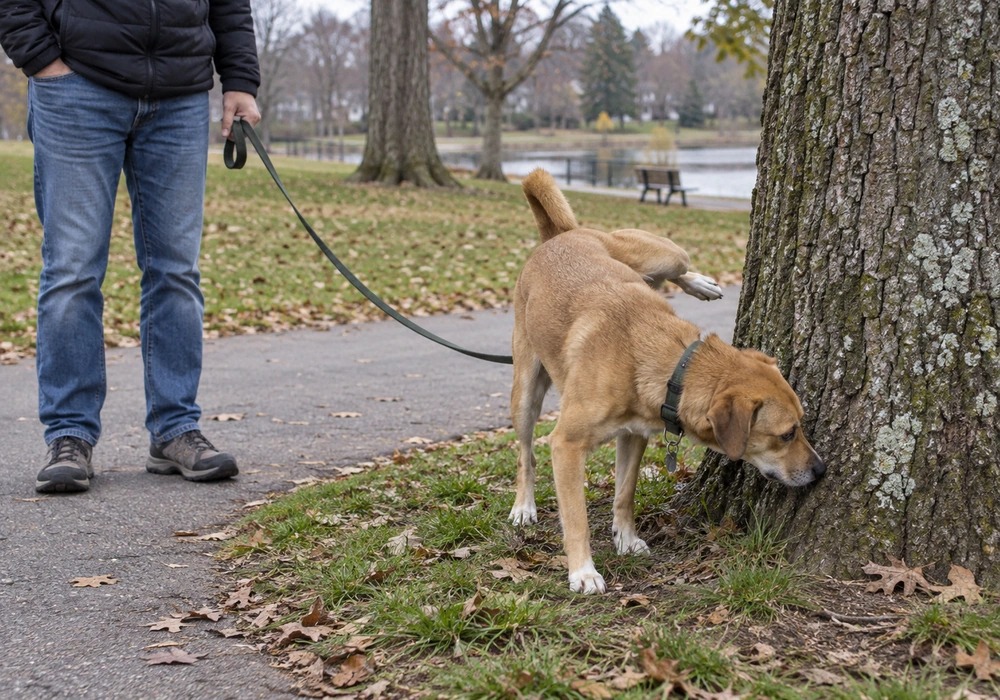
Hormonal Behavior in Dogs: Causes, Signs, and What to Do
Canine behavior and health guide Hormonal Behavior in Dogs: Causes, Signs, and What to Do Hormones can influence marking, roaming, mounting, nesting, appetite, sleep, and emotional responses. They are only