
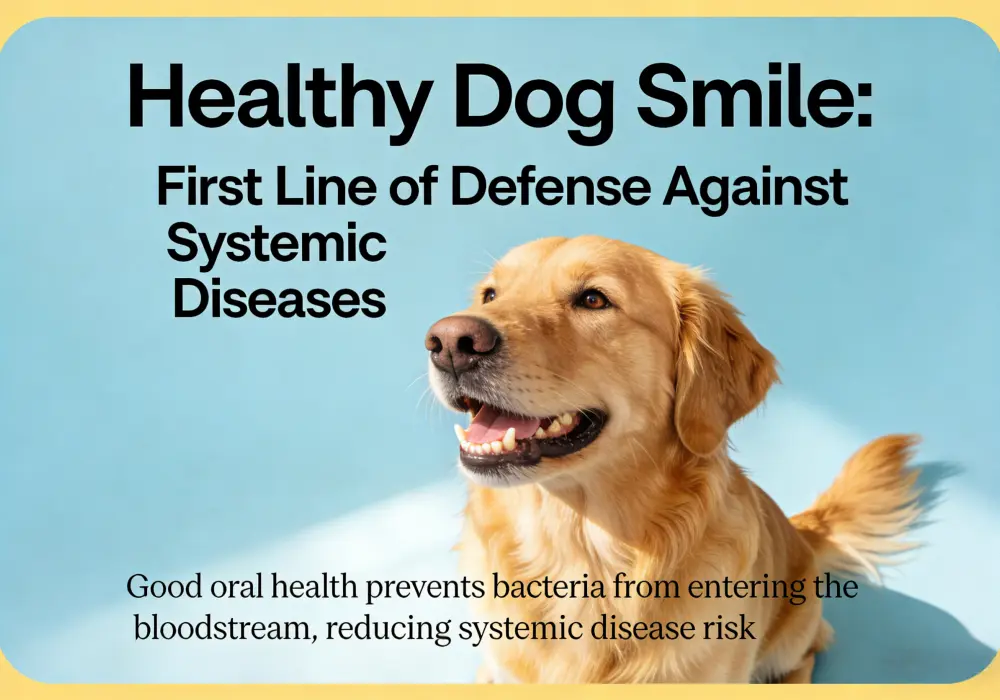
Your dog’s bright smile isn’t just a sign of cuteness—it’s a key indicator of their overall health. Neglecting dog teeth care can lead to painful periodontal disease, a condition that affects more than 80% of dogs by age three and can shorten their lifespan by 2–4 years. While certain breeds face unique challenges, such as the common Golden Retriever dog health issues, dental hygiene remains a universal priority for every canine.
Why Your Dog’s Dental Health Is More Important Than You Think
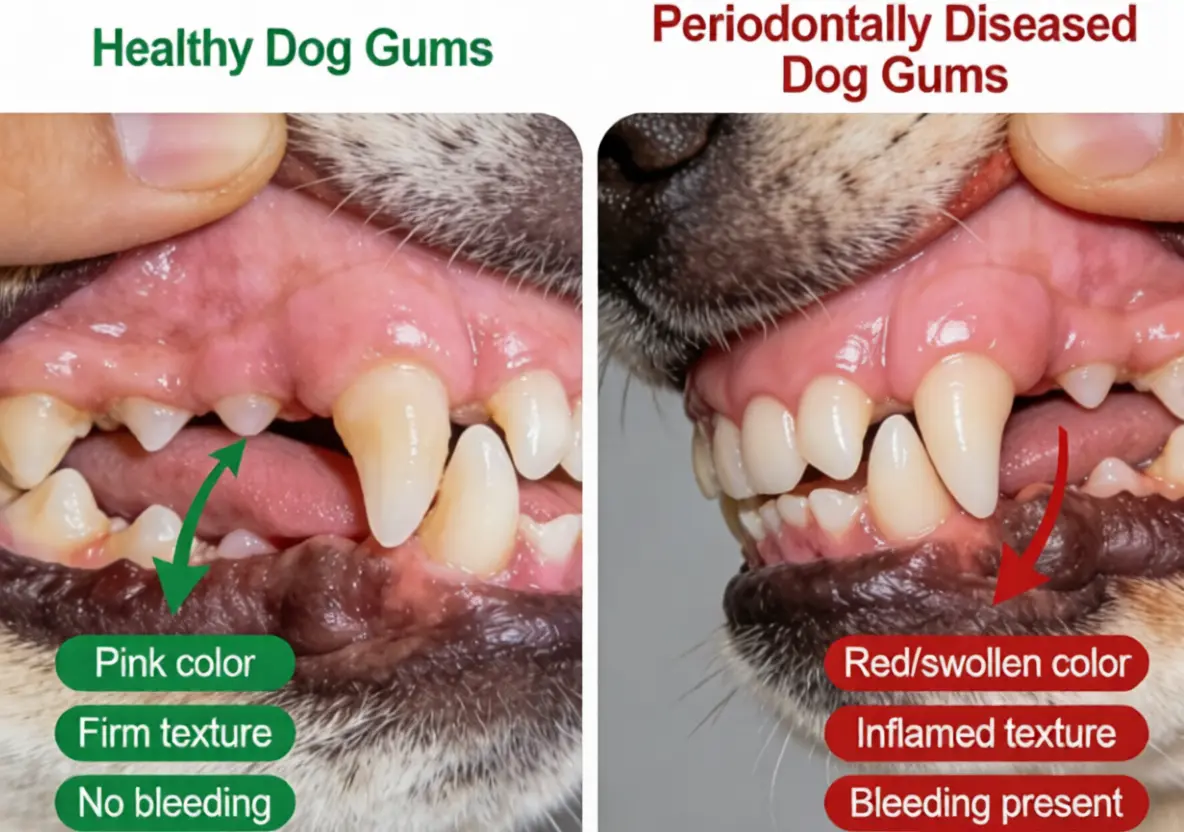
Canine dental care is often overlooked, but the consequences of neglect are serious. Periodontal disease begins with plaque—a sticky film formed by bacteria—which hardens into tartar on dog teeth. This irritates the gums, causing inflammation (gingivitis), and can lead to infection, tooth loss, and bone damage.
The real danger lies beneath the surface. Bacteria from infected gums enter the bloodstream and reach vital organs. Understanding these risks is as essential as being aware of other Golden Retriever dog health issues, as untreated periodontal disease in dogs is linked to serious systemic diseases, including heart disease (endocarditis), liver abscesses, and chronic kidney issues.
7 Signs of Dental Problems in Dogs You Shouldn’t Ignore
Dogs are masters at hiding pain. By the time they stop eating, the dental disease is likely advanced. Watch for these early warning signs during your weekly dog teeth inspection:
How to Clean Your Dog’s Teeth: A Stress-Free Routine
The gold standard of dog teeth maintenance is daily brushing. While it may seem daunting, most dogs can learn to enjoy it if introduced correctly. Consistent care helps prevent the inflammatory responses often seen in broader Golden Retriever dog health issues.
Step 1: Choose the Right Tools
With so many products on the market, choosing the right supplies can be overwhelming. The table below compares the most common types recommended by veterinarians to help you make your selection.
| Supply Type | Best For | Key Advantage |
|---|---|---|
| Standard Pet Toothbrush |
Large breeds & cooperative dogs |
Long handle reaches back molars easily. |
| Finger Brush | Puppies & small breeds | Better control and less intimidating for the dog. |
| Enzymatic Toothpaste |
All dogs | Chemically breaks down plaque even without perfect scrubbing. |
| Dental Wipes | Dogs that hate brushes | Easier to use for quick surface cleaning. |
Important: Never use human toothpaste! It often contains xylitol, which is toxic to dogs. Always stick to pet-specific products to ensure their safety while cleaning dog teeth.
Step 2: Start Slow (The “Taste” Test)
Let your dog lick the toothpaste off your finger. Associate the flavor with praise and treats. Do this for 2-3 days without attempting to brush.
Step 3: Introduce the Motion
Gently lift the lip and rub your finger or the brush in a circular motion against the dog teeth and gum line. Focus on the outside surfaces of the back molars, where tartar builds up most quickly.
Beyond Brushing: Supplementary Dog Dental Care
If your dog absolutely refuses a toothbrush, or if you want to enhance their routine, consider these alternatives:
- Dental Chews: Look for products with the VOHC (Veterinary Oral Health Council) seal of approval. These are specifically designed to scrape plaque off dog teeth mechanically.
- Water Additives: Tasteless solutions that help kill oral bacteria when the dog drinks.
- Dental Diets: Larger kibble with a specific fiber structure that acts as a “toothbrush” as the dog chews.
When to Seek Professional Teeth Cleaning
Home care is preventative, not curative. If your dog already has significant tartar buildup, a professional veterinary cleaning (prophylaxis) under anesthesia is necessary. Unlike human cleanings, vets need to clean deep under the gum line and take X-rays to check for “hidden” infections in the roots of the dog teeth.
Your Next Steps for a Healthier, Happier Dog
Think of dental care as a long-term investment. Yes, it takes a bit of patience (and maybe some beef-flavored toothpaste), but the payoff—avoiding high-stress vet surgeries and chronic pain—is priceless.
Start simple: set a “dental check” reminder on your phone for this weekend. By treating oral hygiene as a non-negotiable pillar of health, right up there with daily walks and quality kibble, you’re not just cleaning teeth—you’re protecting their heart, kidneys, and overall zest for life. Your dog might not be able to thank you in words, but their healthy energy and wagging tail will say it all.
PDF: The Ultimate Guide to Dog Teeth Care: Brushing, Cleaning, and Health
Related Articles

Dog Guarding Owner Behavior: Is It Loyalty or a Mental Health Red Flag?
We’ve all been there: You’re relaxing on the sofa, your dog is curled up by your feet, and a family member walks into the room. Suddenly, the "good boy"

Why Do Dogs Show Behaviour Changes When They Are in Season and How to Support Them
Watching your female dog experience her season for the first time can be confusing, especially when her behavior suddenly changes. Hormones play a big role during this period and can

Understanding The Sudden Reasons Why Your Dog’s Behavior Has Changed And Effective Steps To Take
Noticing that your beloved canine companion has started acting strangely can be deeply worrying for any pet owner. Whether it shows up as sudden aggression, unusual tiredness, or destructive behavior,