
Here is the painful mistake almost everyone makes when they start looking for a companion: they fall in love with a face. Those soulful, round eyes in a rescue shelter photo, or that majestic, flowing Afghan Hound silhouette on a breeder’s social media feed instantly hijack our logic. Suddenly, we are imagining crisp morning runs and cozy winter evenings next to the fireplace—without ever asking the harder, more critical questions.
When researching the absolute best dogs to keep as pets, you quickly realize that the ideal choice is never a static breed name on a generic internet ranking list. The perfect companion is the one whose physical needs, exercise demands, and natural temperament align seamlessly with your daily reality—your active schedule, your physical living space, your budget, and the limits of your patience.
Get this match right, and you unlock decades of pure, mutual devotion. Get it wrong, and that dream of a peaceful household slowly degrades into chewing crises, separation anxiety, and a dog that spends too much of its life frustrated. This guide bypasses the generic buzzwords to walk you through an honest, lifestyle-driven decision framework.

Start With the Honest Mirror Quiz
Before looking at pedigrees or rescue listings, look closely at your own routine. The judgment lives in pretending you are a five-mile-a-day trail runner when you are actually a Netflix-and-delivery person. Be completely honest, and your search for dogs to keep as pets will yield someone who fits your reality rather than an idealized fantasy.
Find Your Perfect Companion Match
Be brutally honest with your answers. Match your actual daily routine, not your ideal one, to find the dogs to keep as pets that truly fit your life.
Lifestyle Matching Profile Matrix
To simplify your search for the right dogs to keep as pets, we have structured the most compatible companion profiles into four primary lifestyle categories. Match your results to the tables below:
🏢 The Apartment & Small-Space Companions
Best suited for owners who prioritize close affection, minimal barking, and easy indoor settling.
| BREED OPTION | WHY IT WORKS HERE | GROOMING & SHEDDING NEEDS | TEMPERAMENT WARNING SIGNS |
|---|---|---|---|
| French Bulldog | Very compact size; loves resting next to people; low athletic needs. | Moderate; facial wrinkles must be cleaned daily to prevent dermatitis. | Highly sensitive to heat and humidity; prone to breathing obstructions. |
| Cavalier King Charles | Incredibly sweet and gentle; quiet nature; deeply eager to please. | High; coat requires frequent brushing to prevent painful matting. | Prone to extreme separation anxiety if left alone for extended periods. |
| Pug | Comical, loving, classic low-energy apartment companion. | Low; smooth coat but sheds surprisingly heavily year-round. | Brachycephalic system limits exercise in heat; weight rises easily. |
| Boston Terrier | Highly intelligent, clean habits, excellent medium-small stature. | Very low; short coat requires minimal professional styling. | Can become hyper-reactive or barky if not socialized early. |
⛰️ The Active Adventure Partners
Best suited for owners who run, hike, camp, and want a tireless partner to share the trail.
| BREED OPTION | WHY IT WORKS HERE | GROOMING & SHEDDING NEEDS | TEMPERAMENT WARNING SIGNS |
|---|---|---|---|
| Labrador Retriever | Extremely sturdy, water-loving, highly forgiving with errors. | High; heavy seasonal blowing of their dense undercoat. | Teenage chew phase is notoriously intense and destructive. |
| Australian Shepherd | Highly intelligent, physically tireless, deeply bonded to handlers. | Very high; long double coat needs intensive brushing weekly. | Needs a mental job; will herd children or chew baseboards if bored. |
| Border Collie | Possesses the single most brilliant athletic brain in the canine world. | High; double coat sheds heavily during seasonal changes. | Not for casual owners; under-stimulation leads to severe neurosis. |
| Vizsla | Tireless, ultra-athletic runner; snuggles deeply at home. | Low; sleek, single-layer coat requires minimal attention. | Extreme “velcro” attachment; prone to panic if isolated. |
🏡 The Family-First Companions
Best suited for households with children where patient, sturdy, and socially tolerant temperaments are vital.
| BREED OPTION | WHY FAMILIES LOVE IT | GROOMING & SHEDDING NEEDS | KID-SAFETY CONSIDERATIONS |
|---|---|---|---|
| Golden Retriever | Incredibly patient, soft-mouthed, and highly forgiving. | High; requires brushing twice a week to manage heavy shedding. | Strong, happy tail sweeps coffee tables; must teach children boundaries. |
| Newfoundland | Gentle giant energy; legendary patience with small children. | Severe; massive double coat, heavy drool, and constant shedding. | Massive physical size; can accidentally bump toddlers over easily. |
| Boxer | Goofy, highly playful, warm-hearted, and protective. | Low; short smooth coat requires basic bath maintenance. | Energetic teenage phase can be overwhelming without consistent rules. |
| Rough Collie | Intuitively gentle; highly sensitive and tuned to family moods. | Very high; heavy, long coat requires professional care. | Sensitive to chaos; loud screaming or shouting can stress them deeply. |
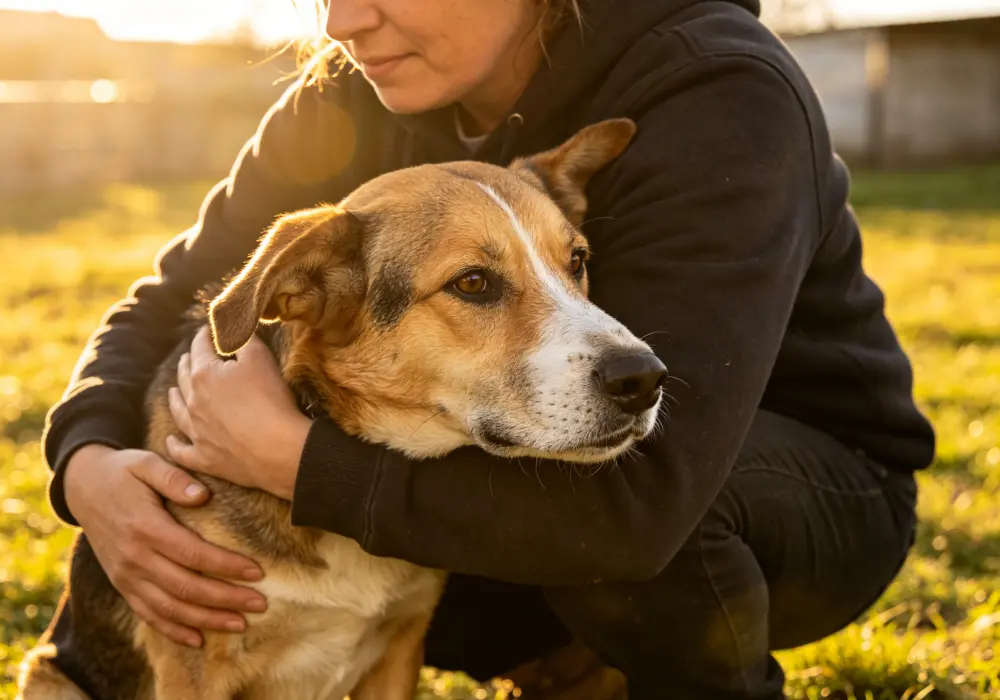
While looking for family-first dogs to keep as pets, many of the best options are mixed breeds from reputable shelters. A balanced, medium-energy mutt with evaluated bite inhibition is often a safer and sturdier family bet than a highly-strung purebred.
The Hard Truth About Commitment Metrics
Every breed has a hidden price tag, not just in dollars, but in your daily time. Below is an honest, data-driven visualization of the average time commitment and physical load of these various canine archetypes:
Your Five Decision Filters
When you are looking at a dog in a shelter or talking to a breeder, and your heart is already pushing you to sign the adoption papers, pause. Run the dog through these five practical filters:
1. The Energy Audit
Spend twenty minutes watching the dog when they aren’t directly performing for you. Are they pacing restlessly? Are they hyper-vigilant to every minor noise? Or can they settle quietly at your feet? The energy state you observe in those quiet moments is exactly what you will be dealing with at 7:00 AM on a rainy Tuesday.
2. The Alone Test
Ask the foster home or breeder: how does this dog handle downtime when left alone? A companion that cannot settle without constant human presence is at high risk of developing separation anxiety, leading to destructive scratching or barking the second you go back to the office.
3. The 10-Year Cost Calculator
Do the math before you hold the leash. Quality food, veterinary emergency funds, routine grooming bills, and boarding or pet-sitting fees accumulate quickly. Even a “free” rescue dog will cost thousands of dollars over their lifetime. Make sure the financial commitment matches your long-term budget.
4. The “Bad Day” Test
You will inevitably have days when you are exhausted, sick, or working late. Your dog must be safe, tolerant, and capable of resting quietly even when you aren’t at your best. A dog that demands three hours of hard exercise to prevent them from destroying your kitchen cabinets will not pass this test.
Being the Sanctuary They Need
Ultimately, the best dogs to keep as pets aren’t the ones with the flashiest show ribbons or the trendiest social media hashtags. The perfect pet is the one that naturally fits into your mornings, your budget, your emotional patience level on a stressful Monday, and the amount of active time you are genuinely happy to invest every single day.
By taking the time to match their real biological needs with your human boundaries, you stop hoping for a good dog and start building a great life together. Find that exact match, and the joy isn’t something you have to actively search for—it will be waiting right there by the front door, wagging its tail the moment you step home.
Related Articles
What Are Common Dog Behavior Changes with Age
Canine behavior and healthy aging Common Dog Behavior Changes with Age: What Is Normal and What Is Not? Dogs change throughout life, but age alone does not explain every new
Why Does My Dog Follow Me Everywhere?
DOG BEHAVIOR GUIDEIf you keep wondering, "Why does my dog follow me everywhere?", the answer is often quite ordinary: you are the safest and most rewarding part of your dog's
Hormonal Behavior in Dogs: Causes, Signs, and What to Do
Canine behavior and health guide Hormonal Behavior in Dogs: Causes, Signs, and What to Do Hormones can influence marking, roaming, mounting, nesting, appetite, sleep, and emotional responses. They are only