
One restless night is often easy to explain: a late meal, an unfamiliar noise, or an urgent trip outside. A new pattern is different. Pacing, panting, whining, or getting up every few minutes can point to pain, anxiety, urinary problems, breathing trouble, or age-related cognitive decline.
Pay attention to what actually happens rather than simply noting that your dog "didn’t sleep." Does a toilet break solve the problem? Does your dog cough as soon as they lie down, or wander into corners as though they cannot find the bed? Those details matter. Breathing difficulty, collapse, pale or blue gums, repeated dry heaving, or a swollen abdomen means the dog needs emergency veterinary care.
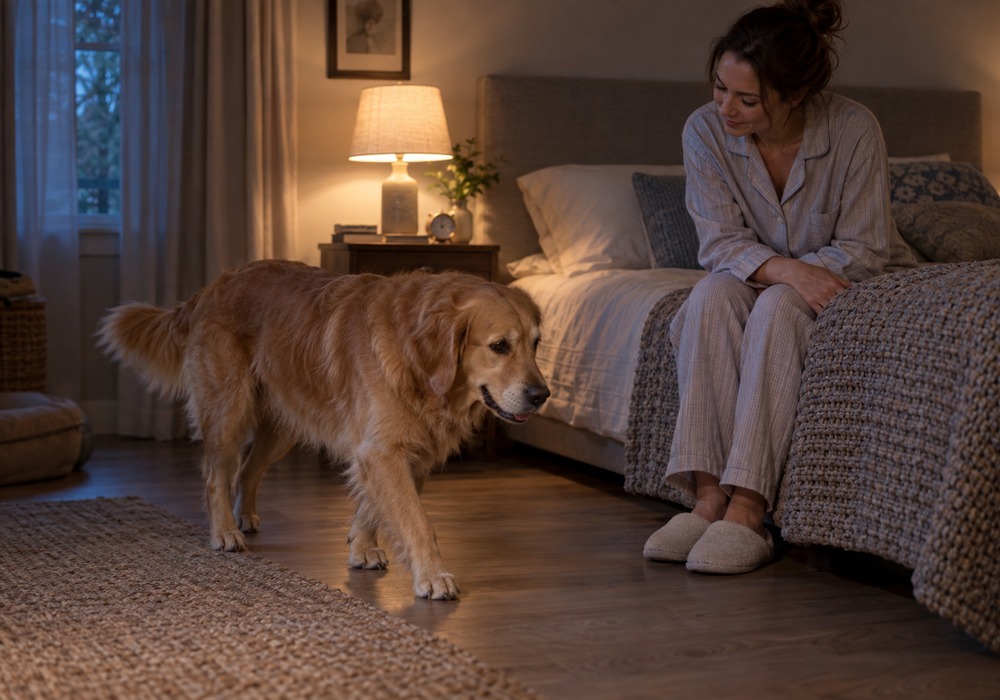
What Nighttime Restlessness Looks Like
A restless dog may:
- Pace from room to room or walk the same route repeatedly
- Circle the bed, lie down, then stand up again
- Pant despite a comfortable room temperature
- Whine, bark, scratch at a door, or seek constant reassurance
- Ask to go outside several times
- Cough or breathe faster when lying down
- Stare at walls, become trapped behind furniture, or appear confused
- Sleep for much of the day but remain awake at night
Dreaming can look surprisingly active. Brief twitching, soft noises, eye movement, and a few irregular breaths during sleep are often normal. A dog who is fully awake, distressed, or unable to remain settled is another matter, especially when the behavior is new.
Why Is My Dog Restless at Night?
1. Pain or Difficulty Getting Comfortable
Pain is easy to miss when a dog still eats, plays, and greets people normally. At night, osteoarthritis, spinal disease, a soft-tissue injury, dental pain, or abdominal discomfort may become harder to ignore because the dog stays in one position for longer.
Watch for repeated repositioning, groaning, trembling, licking one area, reluctance to use stairs, a stiff gait after getting up, or difficulty lowering the body onto the bed. Some dogs remain enthusiastic during daytime activities yet struggle after lying still. That does not rule out pain.
Do not give human pain relievers. Ibuprofen, naproxen, acetaminophen, and other products can be dangerous to dogs. A veterinarian should identify the source of discomfort and select treatment appropriate for the dog’s age, health, and current medications.
2. An Unmet Physical Need
The explanation may be as simple as a full bladder, an uncomfortable room, or a change in feeding time. Puppies and newly adopted dogs often need time to establish a nighttime routine. Some medications also increase thirst or urination.
A final calm toilet break before bed can help. However, a new pattern of excessive thirst, large amounts of urine, repeated accidents, weight loss, or unusual hunger deserves veterinary attention. Kidney disease, diabetes mellitus, urinary tract disease, and hormonal disorders can all disturb sleep by increasing thirst or the need to urinate.
Never restrict water to prevent nighttime urination unless a veterinarian has specifically instructed you to do so.
3. Anxiety, Noise Sensitivity, or Separation Distress
At night, small sounds become much more noticeable. Wildlife outside, a heating system switching on, distant traffic, or a new electronic sound may be enough to keep a noise-sensitive dog alert. Some dogs also struggle when the household goes to bed and they are separated from the person they follow all day.
Clues that anxiety is involved include trembling, hiding, scanning windows, scratching at a bedroom door, following the owner closely, or settling quickly when allowed to sleep nearby. Anxiety should still be treated as a diagnosis of exclusion when the behavior is new, because pain and illness can look very similar.
Punishment usually increases arousal. Instead, reduce the trigger, offer a predictable sleeping location, and discuss persistent anxiety with a veterinarian or qualified veterinary behavior professional.
4. Too Much Daytime Sleep or Too Little Enrichment
Dogs do not save all their sleep for nighttime; they nap in several periods during the day. That is normal. Trouble is more likely when most of the day passes with little movement, sniffing, play, or contact with people.
Build activity earlier in the day rather than relying on intense exercise immediately before bedtime. Age-appropriate walks, scent games, food puzzles, and short reward-based training sessions can increase healthy daytime engagement. The goal is a balanced routine, not exhausting the dog.
5. Canine Cognitive Dysfunction in Senior Dogs
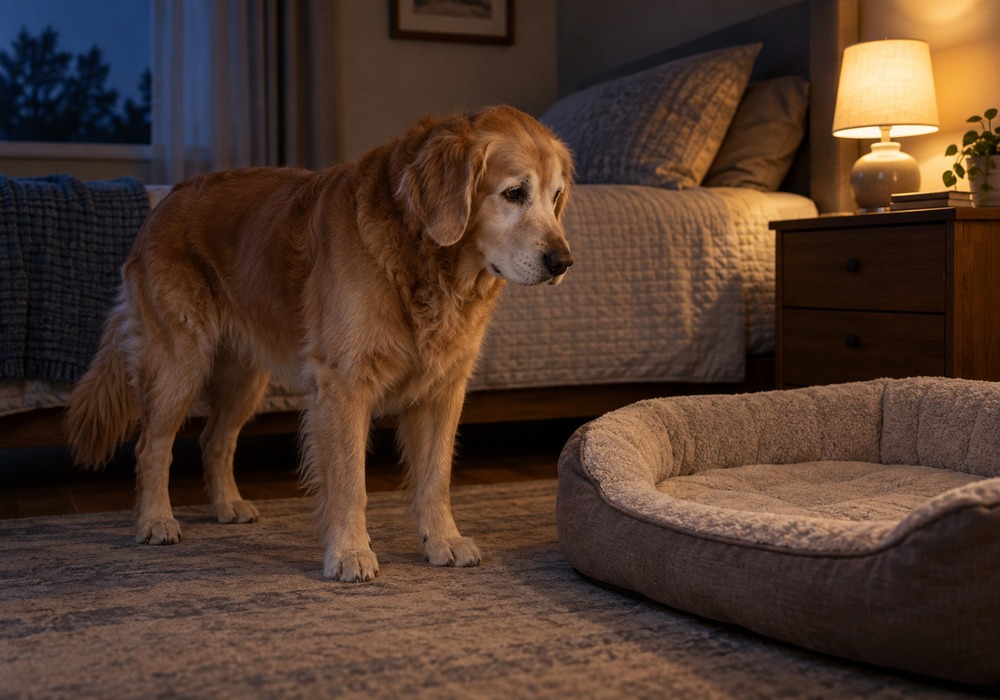
For a senior dog, repeated nighttime wandering raises the possibility of canine cognitive dysfunction syndrome (CDS). This age-related disorder affects memory, orientation, behavior, and sleep. Affected dogs may sleep through much of the day, then pace, pant, or vocalize after dark. Owners often call this "sundowning."
Veterinarians commonly organize the signs using the DISHAA framework:
- D – Disorientation: staring into space, getting stuck, approaching the wrong side of a door
- I – Interaction changes: becoming unusually clingy, withdrawn, or irritable
- S – Sleep-wake changes: daytime sleeping and nighttime wandering or vocalization
- H – House-soiling: indoor accidents after previous reliable training
- A – Activity changes: repetitive pacing or reduced interest in normal activities
- A – Anxiety: new fears, agitation, or difficulty coping with change
Night pacing alone does not prove CDS. Arthritis, sensory loss, urinary disease, seizures, and other medical problems may produce similar behavior, so a physical examination and appropriate testing are important.
6. Vision or Hearing Loss
An older dog may navigate the house well during the day despite declining sight or hearing. Turn off the lights, and the familiar route to the bed or water bowl becomes harder to follow. The dog may wake confused, pace, or call for someone.
Low-level nightlights, nonslip pathways, a consistent furniture arrangement, and easy access to the bed and water can improve orientation. Avoid frequently rearranging the home of a dog with sensory decline or suspected cognitive dysfunction.
7. Breathing or Heart Problems
Watch closely if your dog repeatedly lies down and immediately gets back up while coughing or breathing faster. Some dogs stretch the neck forward or hold the elbows away from the chest to draw breath. Weakness, collapse, labored breathing, or an inability to lie flat needs prompt veterinary attention.
You can count the sleeping respiratory rate when the dog is fully asleep and not dreaming. Count one rise and fall of the chest as one breath for 30 seconds, then multiply by two. A persistently increased rate—particularly above 30 breaths per minute in a dog with known heart disease—should be discussed with the veterinarian who manages that dog. One isolated reading does not diagnose heart failure; effort, trend, medical history, and other signs matter.
Open-mouth breathing at rest, blue or gray gums, marked abdominal effort, or obvious respiratory distress is an emergency. Do not force a struggling dog to lie down or walk unnecessarily.
8. Digestive or Abdominal Discomfort
Stomach or intestinal discomfort often makes a dog look unsettled rather than obviously ill. You may see pacing, lip licking, drooling, repeated swallowing, stretching, or the "prayer" posture, with the front legs down and hindquarters raised. Possible causes include nausea, reflux, constipation, pancreatitis, or something the dog ate.
Repeated attempts to vomit without producing anything, especially with a distended or tight abdomen, can indicate gastric dilatation-volvulus (GDV). This is a life-threatening emergency. Go to an emergency veterinary hospital immediately rather than waiting to see whether the dog settles.
Symptom Patterns That Can Point to the Cause
| What you notice at night | Possible explanation | Recommended response |
|---|---|---|
| Repeatedly lies down, rises, circles, or groans | Joint, spinal, or abdominal pain | Arrange a veterinary examination; seek urgent care for severe or sudden pain |
| Paces, stares at walls, gets stuck, and sleeps during the day | Cognitive dysfunction or neurologic disease | Schedule a senior/neurologic assessment and keep a behavior diary |
| Scratches at a door and settles when near the owner | Separation distress or barrier frustration | Reduce isolation and discuss a behavior plan if persistent |
| Requests frequent toilet trips and drinks more than usual | Urinary, kidney, diabetic, or hormonal disease | Schedule veterinary testing; do not restrict water |
| Coughs, breathes rapidly, or cannot lie flat | Heart or respiratory disease | Seek prompt care; emergency care if breathing is labored |
| Retches without vomiting and has a swollen abdomen | Possible GDV | Emergency hospital immediately |
| Reacts to sounds, trembles, hides, or watches windows | Noise sensitivity or fear | Remove triggers, provide a safe area, and seek help if recurrent |
When Restlessness Is an Emergency
Seek immediate veterinary care if nighttime restlessness occurs with any of the following:
- Labored breathing, open-mouth breathing at rest, or blue/gray gums
- Collapse, fainting, severe weakness, or inability to stand
- Repeated unproductive retching or a rapidly enlarging abdomen
- Pale gums, cold limbs, or signs of shock
- Sudden severe pain, continuous crying, or a rigid abdomen
- Seizure activity, sudden circling, head tilt, or loss of coordination
- Inability to urinate despite repeated attempts
- Suspected poisoning, trauma, or medication ingestion
If you are uncertain, call an emergency clinic and describe the dog’s breathing, gum color, abdomen, awareness, and ability to walk.
What to Check at Home Tonight
If there are no emergency signs, resist the urge to try several remedies at once. A few clear observations will help more when you speak with the veterinarian.

- Record a short video of the pacing, breathing, posture, cough, or vocalization. Dogs often behave differently once they reach the clinic.
- Write down when the episode starts, how long it lasts, and what happened earlier that day.
- Offer a quiet toilet break. Check that water is available and the room is comfortable.
- Watch your dog stand up and lie down. Stiffness, limping, stair hesitation, or a slow descent onto the bed can reveal pain.
- If your dog is fully asleep and breathing easily, count the breaths for 30 seconds and double the number.
- Note any change in appetite, thirst, urine, or stool. Also review recent changes in medication, diet, schedule, sleeping location, visitors, pets, or household noise.
A three- to seven-day log is useful for recurring cases, but do not delay care when symptoms are sudden, severe, or worsening.
How to Help a Stable Dog Settle
For a dog who is otherwise stable, a few practical changes may make the night easier:
- Keep bedtime and waking times consistent.
- Provide a final toilet opportunity shortly before sleep.
- Use a supportive, easy-entry bed on a nonslip surface.
- Add dim nightlights for dogs with poor vision or nighttime confusion.
- Keep furniture, food, water, and sleeping areas in predictable locations.
- Use low-level white noise if outside sounds trigger alerting.
- Provide appropriate daytime exercise, sniffing, and mental enrichment.
- Let an anxious dog sleep where it can safely see or hear the family while a longer-term behavior plan is developed.
Do not start melatonin, sedatives, antihistamines, pain medicine, or calming supplements without veterinary guidance. Products can vary in strength, some human formulations contain unsafe ingredients such as xylitol, and sedating a dog can mask a worsening medical problem.
What the Veterinarian May Evaluate
There is no single test for nighttime restlessness. The veterinarian will choose the workup from the dog’s age, history, and the pattern you describe. The appointment may include physical and orthopedic checks, followed by a neurologic or cardiac examination when the signs point that way. Blood and urine tests can uncover diabetes, kidney or liver disease, inflammation, electrolyte changes, and hormonal disorders. Imaging or heart tests are used when the examination suggests pain, neurologic disease, abdominal trouble, or heart disease.
For senior dogs, bring notes about orientation, social interaction, sleep, house-training, activity, anxiety, vision, and hearing. CDS is diagnosed from the pattern of signs after other medical explanations have been considered. Treatment may combine management of concurrent pain or disease with environmental enrichment, dietary support, and veterinarian-prescribed medication.
Frequently Asked Questions
Why is my senior dog suddenly restless at night?
Common possibilities include pain, increased need to urinate, vision or hearing loss, heart or respiratory disease, and canine cognitive dysfunction. A sudden change should not be dismissed as normal aging. Arrange a veterinary examination, especially if other behavior, appetite, mobility, breathing, or elimination changes are present.
Why is my dog panting and restless at night?
Panting can occur with heat, fear, pain, medication effects, hormonal disease, nausea, or breathing difficulty. Move the dog to a comfortable environment and observe breathing effort, gum color, posture, and other symptoms. Emergency care is needed for labored breathing, blue/gray gums, collapse, a swollen abdomen, or unproductive retching.
Why does my dog pace at night but sleep during the day?
An inactive daytime routine can contribute, but in senior dogs a reversed sleep-wake pattern may be associated with cognitive dysfunction. Look for disorientation, house-soiling, interaction changes, repetitive activity, or new anxiety and discuss the complete pattern with a veterinarian.
Can pain make a dog restless only at night?
Yes. A dog may be distracted or more active during the day and show discomfort after remaining still. Repeatedly changing position, groaning, stiffness after rising, licking one area, or avoiding stairs can support suspicion of pain. A veterinary examination is needed to identify the cause.
Should I give my dog melatonin to help it sleep?
Not without asking your veterinarian. The correct approach depends on why the dog is awake, and a sleep aid can delay recognition of pain, respiratory disease, urinary disease, or cognitive dysfunction. Some human products also contain ingredients that are unsafe for dogs.
The Bottom Line
An occasional unsettled night may come down to noise, routine, or a needed bathroom trip. Repeated pacing, panting, vocalizing, or difficulty lying down deserves a closer look. Record what you see and arrange an examination rather than guessing at a sleep aid.
Do not wait when restlessness comes with breathing difficulty, collapse, dry heaving, abdominal swelling, abnormal gum color, or severe pain. For senior dogs, earlier assessment also gives you a better chance of finding treatable pain or illness before writing the change off as old age.
Related Articles
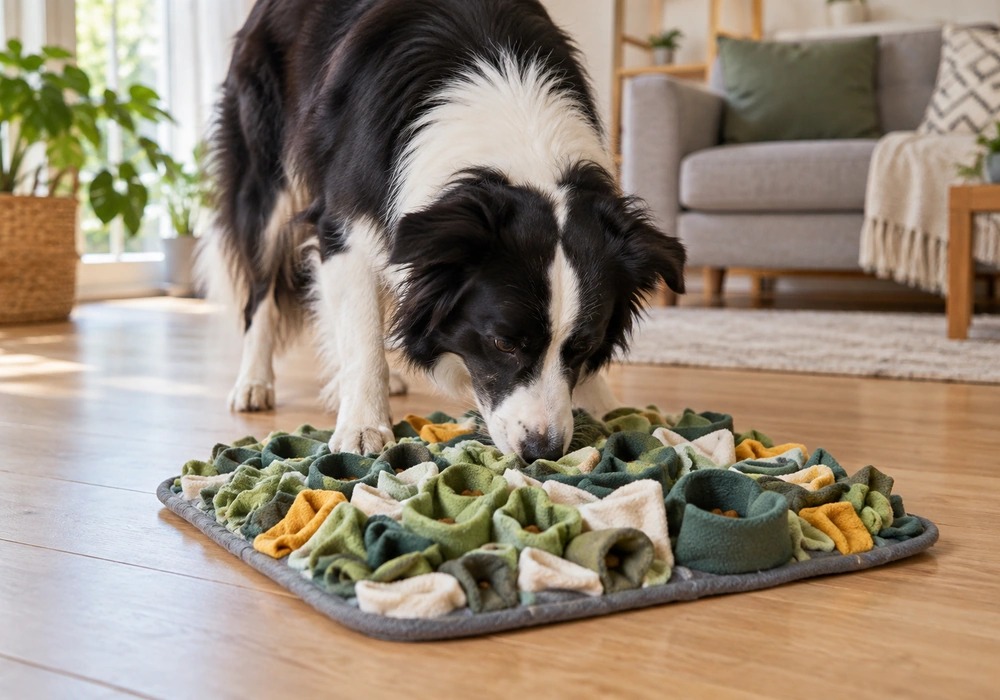
7 Fun Games for Dog Mental Stimulation
Mental stimulation for dogs is play and problem-solving that works the brain instead of just the legs: scent games, puzzle toys, hidden treats, new tricks. A physically tired dog can
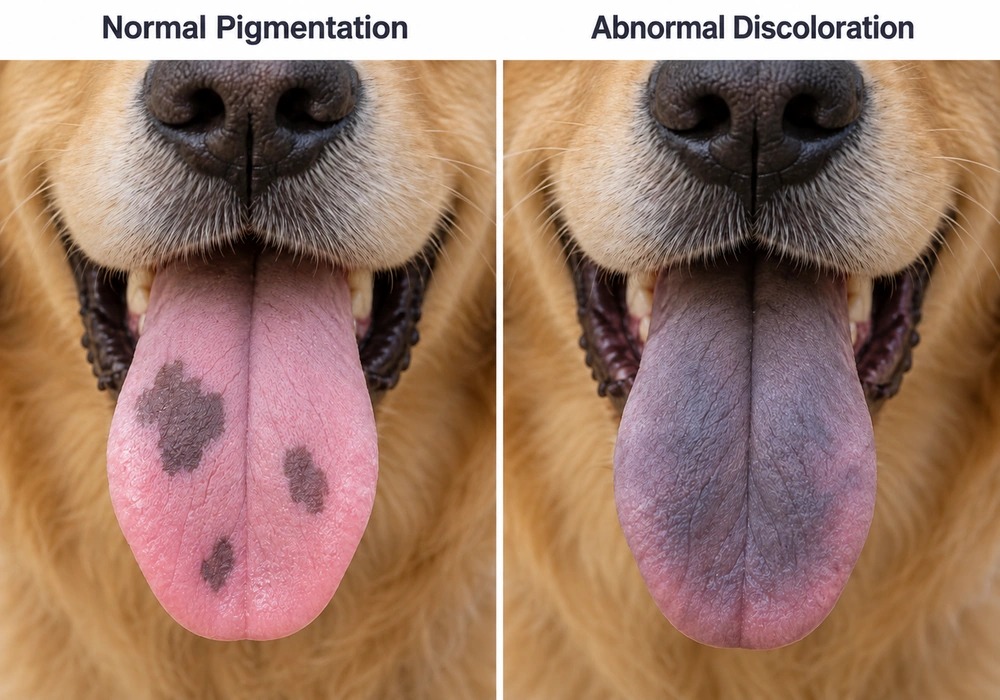
Why Is My Dog’s Tongue Grey?
Canine oral health and emergency triage Why Is My Dog's Tongue Grey? A grey tongue in dogs does not always mean the same thing. Some dogs are born with dark
How to Identify Canine Hormone Imbalance Symptoms
Canine endocrine health How to Identify Canine Hormone Imbalance Symptoms Hormones influence a dog's metabolism, appetite, thirst, skin, coat, muscles, stress response, blood sugar, and reproductive cycle. Most endocrine disorders