
When Sudden Dog Behavior Changes Need a Vet
If your dog suddenly becomes aggressive, withdrawn, restless, destructive, unusually clingy, or starts having accidents indoors, rule out pain or illness first. Sudden behavior changes can be linked to dental pain, injury, digestive discomfort, arthritis, infection, vision or hearing loss, or age-related cognitive decline.
Call a veterinarian promptly if the behavior change appears overnight, comes with appetite loss, vomiting, diarrhea, limping, trembling, confusion, heavy panting, seizures, or signs of pain. Once medical causes are ruled out, you can look at stress, routine changes, fear triggers, boredom, and training gaps.
1. The Biological Trigger: Hidden Pain or Illness
More often than not, a dog acting different is responding to physical discomfort. Dogs are masters at masking pain—a survival instinct inherited from their wild ancestors. By the time their behavior changes, the discomfort may have reached a threshold they can no longer ignore.
Medical issues like dental pain, urinary tract infections, or early-stage arthritis can cause a once-gentle dog to become irritable or “snappy.” If the change is truly sudden, a vet visit is your mandatory first step.
2. The Emotional Trigger: Environmental Stressors
Our dogs are incredibly sensitive to the energy and structure of our homes. If you find your dog acting different after a peaceful period, look around your environment. Even small changes that seem insignificant to us can be seismic shifts for a dog.
| The Change | Why it Matters |
|---|---|
| New Family Member | Changes the social hierarchy and reduces individual attention. |
| Loud Construction | Consistent high-frequency noise leads to chronic cortisol spikes. |
| Schedule Shifts | Dogs thrive on predictability; a change in walk times causes anxiety. |
| Key Takeaway | Monitor behavior for 48 hours after any home change. |
3. Aging and Cognitive Decline
For senior dogs, the reason for a dog acting different may be Canine Cognitive Dysfunction (CCD), similar to dementia in humans. You might notice them staring at walls, getting stuck in corners, or forgetting house training. This is a progressive condition, but 2026’s nutritional interventions and supplements (like specific Omega-3 blends) can significantly slow the decline.
Effective Steps to Take Now
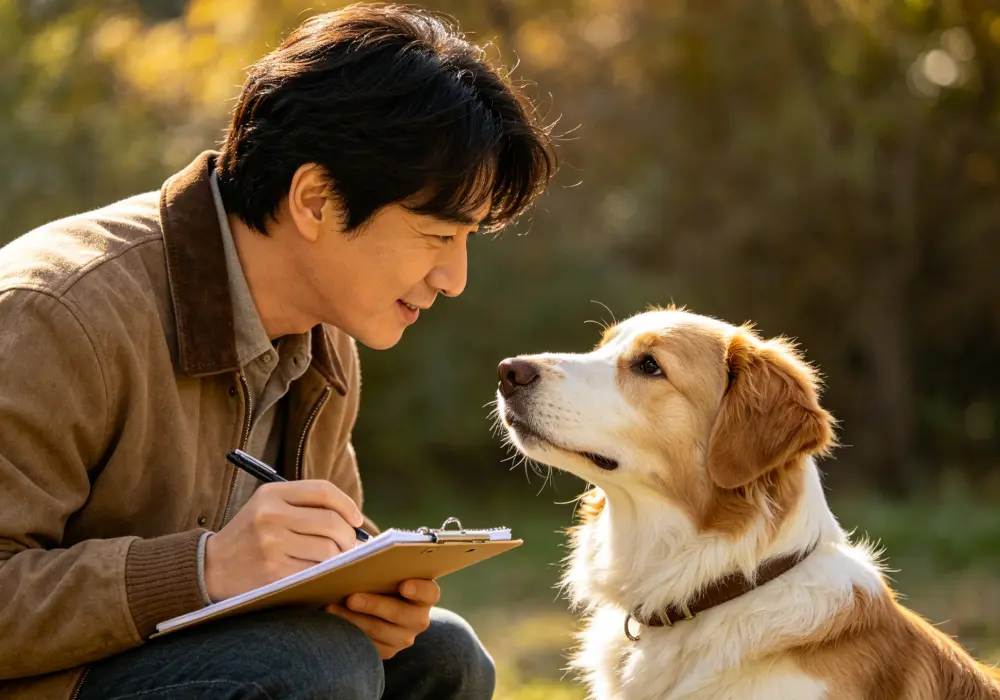
When you observe your dog acting different, your role as their advocate becomes critical. Follow these immediate steps:
- Log the Behavior: Note the time of day, what happened just before, and how long it lasted.
- Eliminate the “New”: If you recently switched food or laundry detergent, go back to the old version to rule out allergies or sensitivities.
- Create a Safe Haven: Ensure they have a quiet place to retreat where they won’t be disturbed by children or other pets.
A Final Thought
A dog acting different is not being “bad” or “difficult.” They are expressing a need. By staying observant and acting with patience, you are fulfilling the most important part of the human-canine bond: providing safety when they feel most vulnerable.
Related Articles
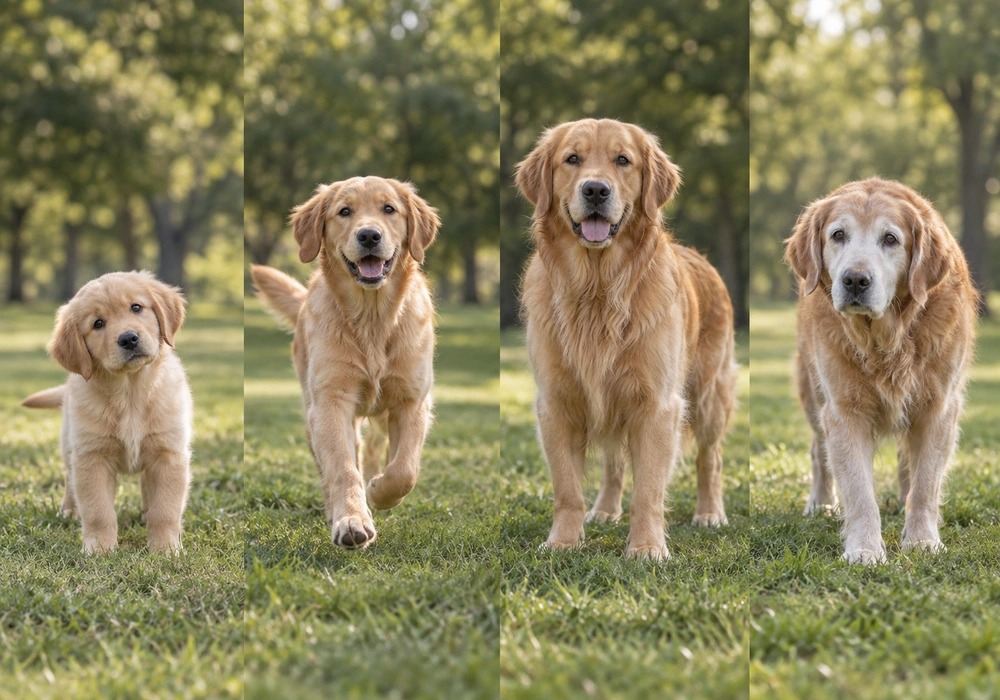
What Are Common Dog Behavior Changes with Age
Canine behavior and healthy aging Common Dog Behavior Changes with Age: What Is Normal and What Is Not? Dogs change throughout life, but age alone does not explain every new
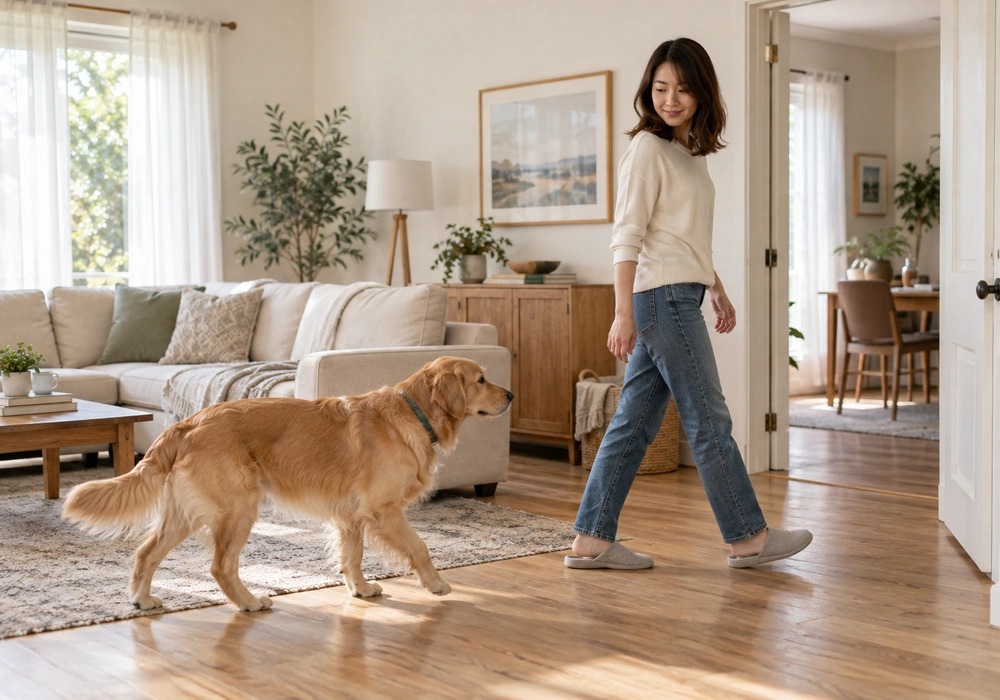
Why Does My Dog Follow Me Everywhere?
DOG BEHAVIOR GUIDEIf you keep wondering, "Why does my dog follow me everywhere?", the answer is often quite ordinary: you are the safest and most rewarding part of your dog's
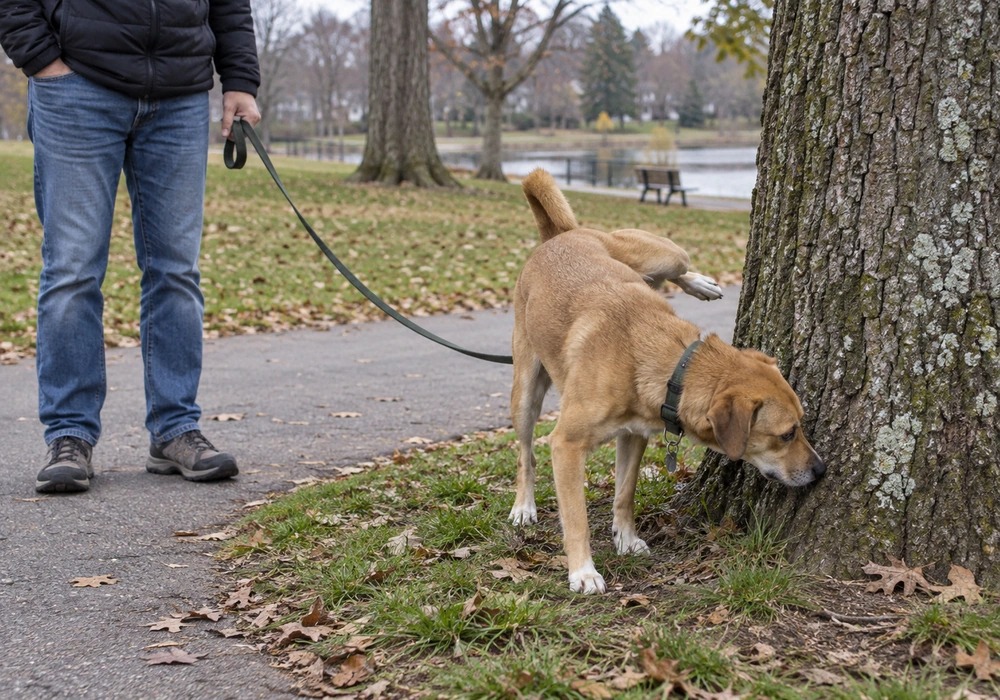
Hormonal Behavior in Dogs: Causes, Signs, and What to Do
Canine behavior and health guide Hormonal Behavior in Dogs: Causes, Signs, and What to Do Hormones can influence marking, roaming, mounting, nesting, appetite, sleep, and emotional responses. They are only