
It is a scenario familiar to many new dog owners: you are relaxing on the sofa, your puppy curled contentedly at your side. However, the moment a family member enters the room, the “good boy” vanishes. The body goes rigid, a low rumble vibrates in the throat, and the puppy physically wedges himself between you and the perceived intruder.
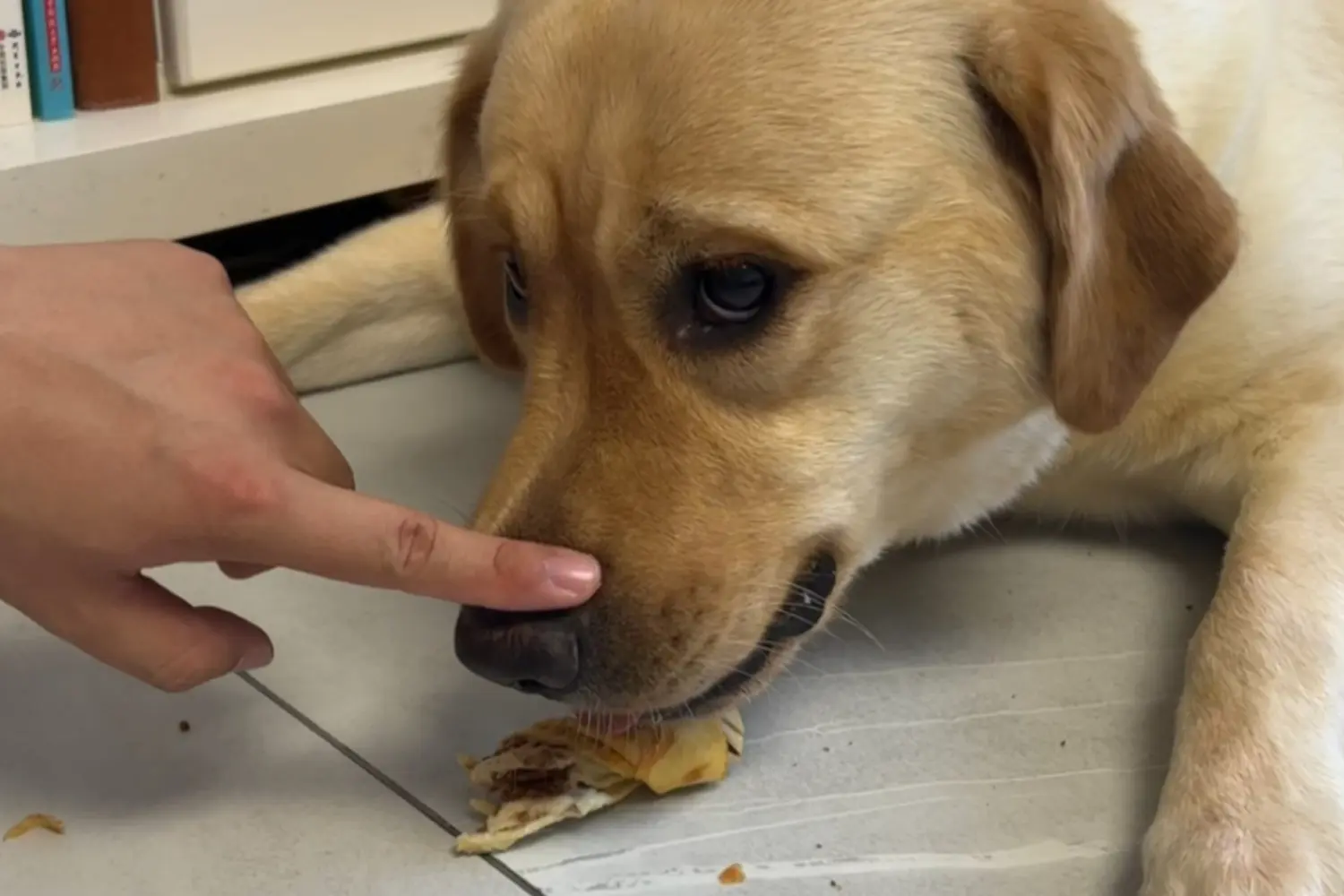
To many, the immediate reaction is one of touched endearment: “He’s being protective; he’s so loyal.” Yet, through the lens of modern canine behavioral science, the reality is far more nuanced. This behavior is rarely a heroic act of guardianship; rather, it is a clinical manifestation of Resource Guarding.
“To a developing puppy, an owner is not merely a companion but a high-value resource—comparable to a prime marrow bone or a prized toy. The perceived threat of losing access to this resource triggers an immediate stress response.”
Identifying the “Silent” Red Flags
Dogs communicate primarily through subtle shifts in posture. Before a snarl or a snap occurs, most puppies offer a series of “silent” warnings that often go unnoticed by the untrained eye:
The Drivers: Fear vs. Dominance
The outdated “Alpha” or dominance theories have been largely discredited by contemporary ethology. Research indicates that guarding behavior is fundamentally rooted in internal anxiety rather than a desire for social rank or power.
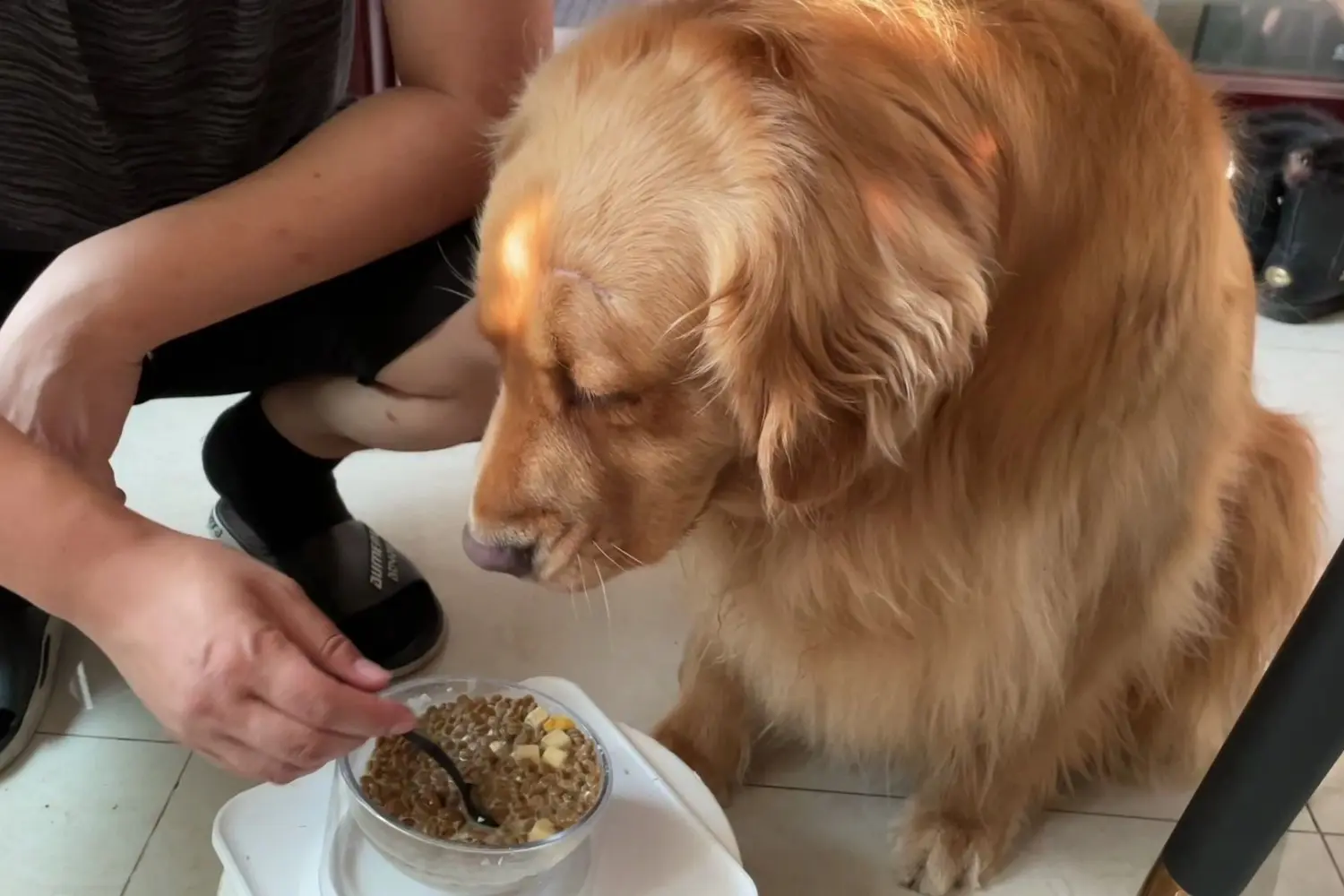
As demonstrated in current behavioral data, approximately 65% of guarding cases are driven by insecurity. The puppy fears that if they lose control over the individual who provides their food, safety, and comfort, their environment will become dangerously unpredictable.
Accidental reinforcement also plays a significant role. When an owner pets a growling dog to “soothe” them, the dog interprets this as a reward for the aggressive display. The behavior is effectively strengthened through positive association.
Restructuring the Narrative
Behavioral modification focuses on shifting the puppy’s emotional state from one of scarcity to one of abundance. Experts recommend three primary pillars for management:
Related Articles
What Are Common Dog Behavior Changes with Age
Canine behavior and healthy aging Common Dog Behavior Changes with Age: What Is Normal and What Is Not? Dogs change throughout life, but age alone does not explain every new
Why Does My Dog Follow Me Everywhere?
DOG BEHAVIOR GUIDEIf you keep wondering, "Why does my dog follow me everywhere?", the answer is often quite ordinary: you are the safest and most rewarding part of your dog's
Hormonal Behavior in Dogs: Causes, Signs, and What to Do
Canine behavior and health guide Hormonal Behavior in Dogs: Causes, Signs, and What to Do Hormones can influence marking, roaming, mounting, nesting, appetite, sleep, and emotional responses. They are only