You’ve got a weekend ahead, and somewhere between scrolling your phone and deciding what to cook, you realize you want to spend real, focused time with your dog—not just the usual walk-around-the-block routine. The good news is that the best things you can do with a dog this weekend don’t require a massive budget, specialized commercial equipment, or a perfectly trained obedience champion. They simply require a bit of natural curiosity, basic planning, and the willingness to let your companion guide some of the fun.
Bonding is rarely built on grand, expensive gestures. Instead, it flourishes in those quiet, shared experiences that build daily trust, laughter, and lifelong security. When you intentionally prioritize the creative things you can do with a dog during your downtime, you shift away from passive ownership and step into an active partnership that fulfills their canine nature.
Why Weekend Bonding Matters More Than You Think
Dogs are sensory explorers that naturally thrive on environmental novelty and physical proximity. During the busy workweek, daily walks often become transactional chores: get in, get out, get done. Weekends function as your ultimate behavioral reset button.
Dedicate time to these structured activities, and you will notice a significant drop in your dog’s physiological cortisol levels. Working together in low-pressure, positive environments reinforces their core obedience training and reduces the risk of chronic dog behavior problems like separation anxiety or destructive chewing.
“The judgment lives in pretending you’re a five-mile-a-day trail runner when you’re really a Netflix-and-delivery person. Be honest with your energy levels, and your dog will happily match your actual routine.”
Ten High-Engagement Weekend Activities
The “Sniffari” Decompression Walk
Instead of a structured walk where you strictly dictate the pace and direction, let your dog lead. Find a quiet, low-traffic environment—such as a woodland trail, an open park, or a sleepy suburban cul-de-sac—and let them sniff to their heart’s content. When evaluating the best things you can do with a dog to ease stress, a “sniffari” ranks at the very top of the list.
The Science Behind It: Sniffing actively lowers a dog’s heart rate, fires up their powerful olfactory cortex, and satisfies their deepest biological drive to gather structural information about their environment.
Implementation: Equip them with a safe harness and a long, loose lead (15 to 30 feet). Follow their nose, resist the urge to pull them along, and let them fully dissect the environmental “scent messages.”
The DIY Living Room Agility Course
You do not need expensive, professional-grade agility gear to stimulate your dog’s athletic brain. Simple household objects like chairs, broomsticks, boxes, and thick blankets can quickly transform your living room or yard into an interactive puzzle playground.
| OBSTACLE TYPE | COMMON HOUSEHOLD MATERIALS | TRAINING & GUIDANCE CUE |
|---|---|---|
| The Low Jump | A broomstick suspended across two low laundry baskets or books. | Lure them over gently with a high-value treat, using the cue “hop.” |
| The Blanket Tunnel | An open-ended cardboard box or a sheet draped over two chairs. | Toss a treat through to the other side, using the cue “through.” |
| The Weave Poles | Cones, filled water bottles, or athletic shoes spaced in a straight line. | Lure them in a slow zigzag pattern, marking each success. |
| The Pause Platform | A flat, sturdy couch cushion or a low, stable footstool. | Guide them to place all paws on the surface, rewarding the “settle.” |
Navigating novel structural physical challenges together builds massive mutual trust. It encourages your dog to look to you for guidance while significantly sharpening your ability to read their silent body language.
The Focused Picnic Date
Pack a small basket with a blanket, some of your lunch, and some highly enticing, safe treats for your pup. Find a quiet, shady tree in a spacious local park and simply exist together in the space.
💡 Pro-Tip for Shared Calmness:
Bring a durable puzzle toy stuffed with frozen, unsalted peanut butter (always double-check that it is completely xylitol-free by reviewing our dog food safety guide). Letting your dog chew calmly beside you in a public space is an incredible way to build passive confidence.
The “Party Trick” Challenge
Teaching a new behavior is a concentrated dose of positive mental stimulation. Choose a fun, cooperative trick like teaching them to “touch” your palm, spin in a circle, or weave through your legs.
By utilizing modern, rewards-based positive reinforcement training, you make learning an exciting game. It keeps their cognitive pathways highly active and teaches them that working with you is the most rewarding job in the world.
The Off-Grid Wilderness Hike
If your dog has a reliable recall and a decent baseline of physical fitness, a hike on a quiet nature trail is a profound adventure. Sights, rustling sounds, and natural terrain engage their senses, and climbing over logs or navigating steps together boosts physical trust. Keep the initial trail short—roughly 1 to 3 miles—and bring along ample fresh hydration.
Hike Safety Checklist:
- High-visibility harness and sturdy leash (never rely on a collar alone on trails).
- Lightweight collapsible bowl and fresh, cool drinking water.
- Standard waste bags and a secure pouch to pack them out.
- Compact pet first-aid kit containing cohesive wraps and tweezers for ticks.
Rainy-Day Indoor Enrichment Games
Bad weather should never put a stop to your bonding. Move the fun indoors with interactive scent games:
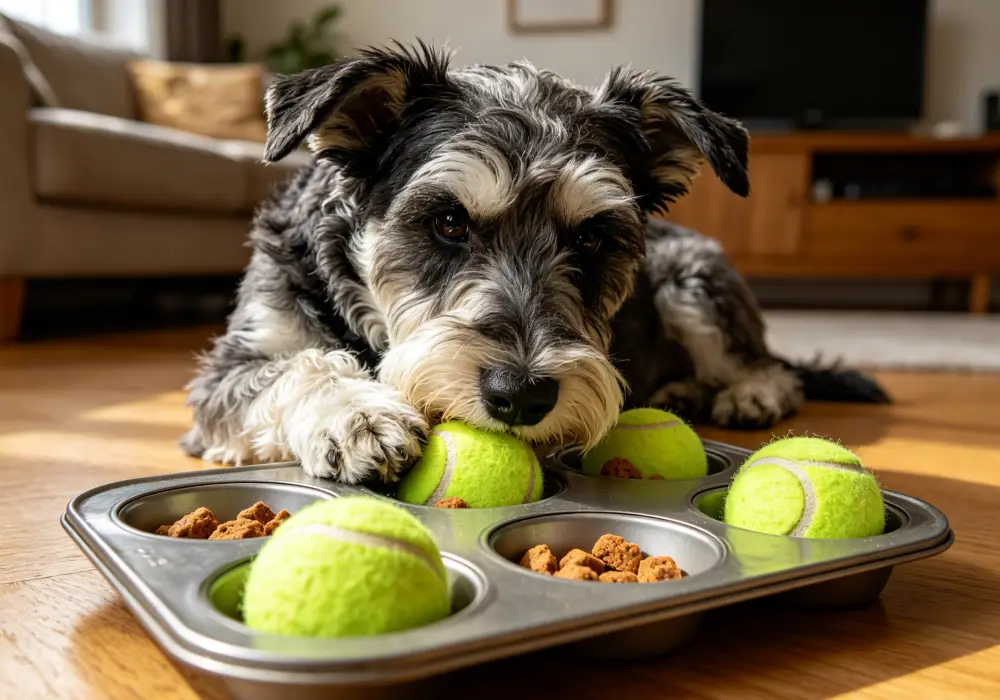
- The Muffin Tin Puzzle: Place smelly treats in the cups of a muffin tin, cover each cup completely with a tennis ball, and watch your dog figure out how to nudge the balls out of the way.
- The “Find It” Game: Have your dog stay in one room while you hide a handful of high-value treats in another. Release them with the cue “Find it!” and let their nose do the hard work.
A Settling Practice at a Dog-Friendly Cafe
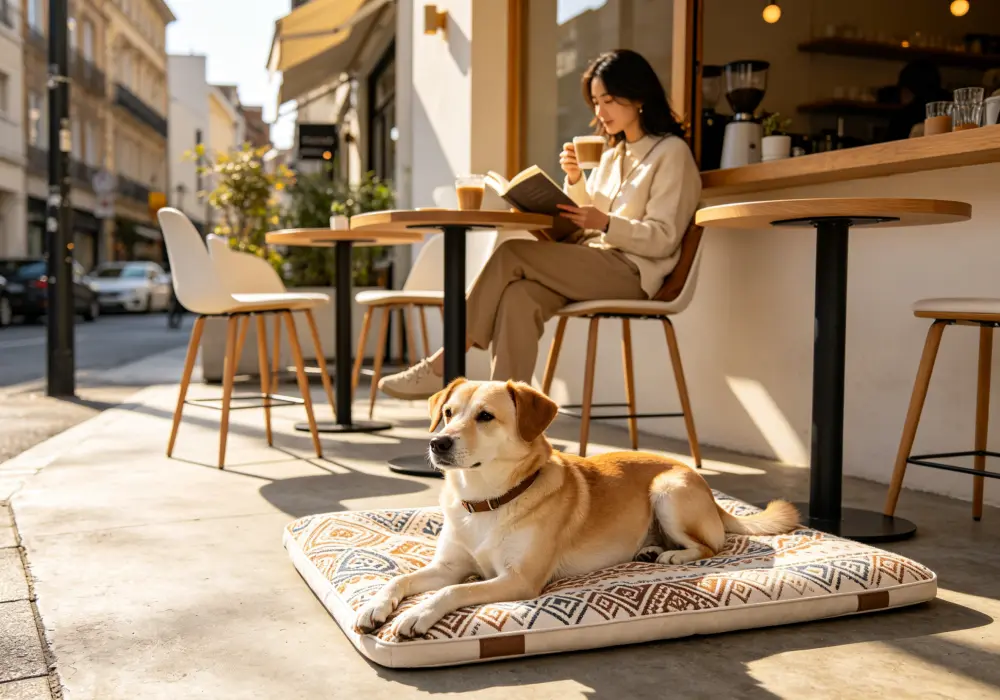
Taking your dog to a quiet cafe or an open-air brewery patio is an excellent socialization exercise. It exposes them to a variety of distant people, new scents, and background noises in a highly controlled setting.
Etiquette Pro-Tip: Bring a familiar, comfortable mat for them to settle on. Keep their leash short, prevent them from approaching other patrons or begging, and reward them with small treats for maintaining a quiet, relaxed settle on their mat.
The Low-Stress Photo Shoot
Spend 20 to 30 minutes photographing your dog in warm, natural light. Get completely down to their eye level on the grass, use a favorite toy to capture their focus, and take candid snapshots. The focused attention you pay to each other during this play session is deeply connecting.
A Shared Volunteering Outing
If your dog has an exceptionally calm, highly stable temperament and genuinely loves interacting with strangers, look into therapy dog certification. Visiting local senior facilities or children’s literacy programs to bring comfort to others is an incredibly fulfilling way to work as a true team.
A Relaxing Backyard Campfire Night
There is a unique primal comfort in sitting by a crackling fire under the stars. Set up a cozy blanket, let your dog enjoy a safe chew bone close to your feet, and simply watch the evening pass. The quiet, predictable stillness of your presence builds an incredible sense of safety and belonging.
Weekend Activity Matrix
To help you choose the perfect plan for this weekend, we have mapped out the estimated physical effort versus the cognitive bonding impact of these various activities on a scale of 1 to 10:
How to Read Your Dog’s Engagement
How do you know if your weekend plans are actually working to build trust? Keep a close eye on their body language throughout the activity:
- Soft, Relaxed Gaze: Their eyes look rounded and gentle, with no visible tension, hard staring, or anxious “whale eye” (showing the white half-moon).
- Loose, Wiggly Posture: Their body movements are soft and fluid, rather than stiff, frozen, or tense.
- Voluntary Check-ins: They frequently look up to meet your eyes or return to your side to make contact, showing that they are actively sharing the experience with you.
If your dog displays signs of stress—such as excessive panting, turning their head away, or trying to hide—always respect their communication. Dial back the intensity and switch to a calmer, low-stimulus activity. For a deeper look at these silent cues, read our comprehensive guide to dog body language before heading out.
The Best Thing You Can Do Is Show Up
Ultimately, the specific things you can do with a dog this weekend matter far less than your undivided attention and attitude. Dogs are absolute masters at reading our energy and presence. If you are distracted, checking your emails, or rushing through a game, your dog will feel that disconnect.
Put your phone away, step out of the daily rush, and give your companion your full attention for just an hour. That undivided presence is the single most valuable asset you can offer—and the one thing no commercial treat or fancy gadget can ever replace.
Before embarking on high-energy outdoor sports, make sure to cross-reference their general physical state with our checklist on the Signs of a Healthy Dog to ensure they are physically ready to share the fun. Go make this weekend unforgettable. Your dog is ready and waiting by the door.
- Why Weekend Bonding Matters More Than You Think
- Ten High-Engagement Weekend Activities
- The “Sniffari” Decompression Walk
- The DIY Living Room Agility Course
- The Focused Picnic Date
- The “Party Trick” Challenge
- The Off-Grid Wilderness Hike
- Rainy-Day Indoor Enrichment Games
- A Settling Practice at a Dog-Friendly Cafe
- The Low-Stress Photo Shoot
- A Shared Volunteering Outing
- A Relaxing Backyard Campfire Night
- Weekend Activity Matrix
- How to Read Your Dog’s Engagement
- The Best Thing You Can Do Is Show Up
Related Articles
What Are Common Dog Behavior Changes with Age
Canine behavior and healthy aging Common Dog Behavior Changes with Age: What Is Normal and What Is Not? Dogs change throughout life, but age alone does not explain every new
Why Does My Dog Follow Me Everywhere?
DOG BEHAVIOR GUIDEIf you keep wondering, "Why does my dog follow me everywhere?", the answer is often quite ordinary: you are the safest and most rewarding part of your dog's
Hormonal Behavior in Dogs: Causes, Signs, and What to Do
Canine behavior and health guide Hormonal Behavior in Dogs: Causes, Signs, and What to Do Hormones can influence marking, roaming, mounting, nesting, appetite, sleep, and emotional responses. They are only