
Most dog owners never expect a critical medical emergency to start on their own kitchen counters. Yet, veterinary poison control hotlines light up every single day because of ingredients we casually leave near the sink, drop during meal prep, or slip to our pets under the table without thinking twice. If you are looking for a straight, blunt answer, there isn’t one single magical item that claims the title across every breed. However, when assessing what is the most toxic food for a dog based on sheer speed, lethality, and household availability, two notorious culprits instantly tie for first place: chocolate and xylitol.
While chocolate remains the classic, high-volume holiday offender, xylitol is arguably the single most dangerous substance per bite because it strikes with terrifying, silent speed. The safest mindset a pet parent can adopt is remarkably simple: treat human food as guilty until proven safe. By changing your kitchen habits and shifting from willpower to an automatic defensive system, you can protect your pup from the hidden toxins lurking in your pantry.
Why “What Is The Most Toxic Food For A Dog” Is A Misleading Question
When trying to determine what is the most toxic food for a dog, it helps to understand that canine metabolism operates on an entirely different evolutionary script than ours. A chemical compound that your 160-pound body processes with ease can completely overwhelm a 20-pound dog’s internal organs within minutes. Toxicity is never a one-size-fits-all metric; it depends heavily on the specific compound, the exact volume consumed, and the dog’s individual weight or pre-existing health vulnerabilities.
Even so, when veterinarians debate what is the most toxic food for a dog, they consistently point to xylitol and high-concentration cocoa as the two ultimate red lines that no dog should ever cross.
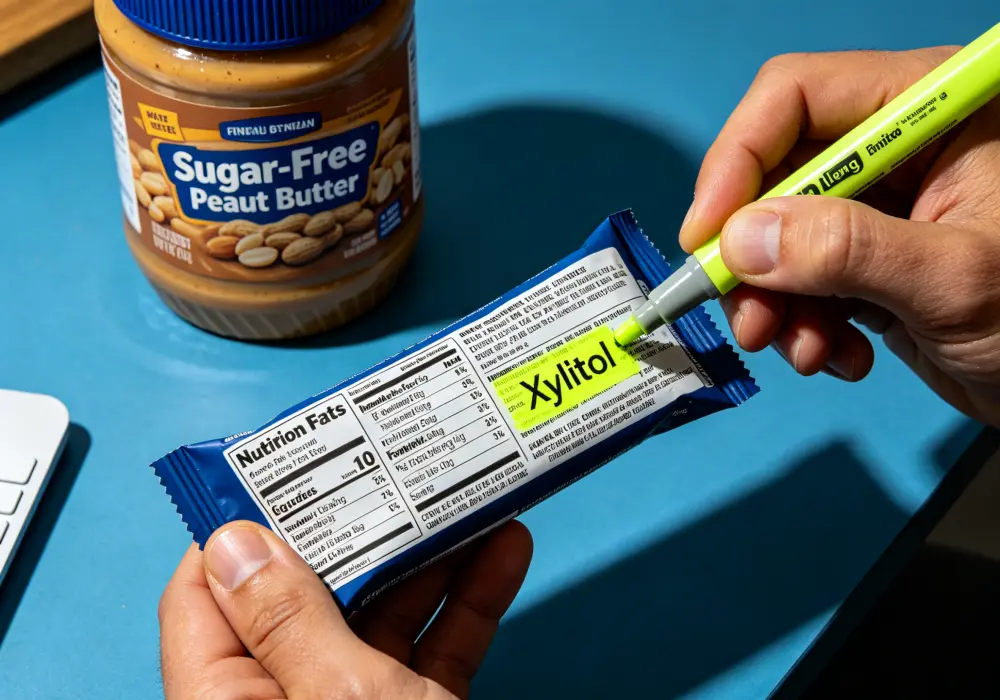
Xylitol: The Swift And Silent Cellular Killer
Common Household Hiding Spots:
- Sugar-Free Gum and Mints: The absolute worst offender regarding concentrated dose-per-piece.
- “No Sugar Added” Nut Butters: Many brands sneak xylitol into peanut butter to reduce calories. Always check the jar before filling a toy.
- Keto Baked Goods and Protein Bars: High-density baking blends often rely heavily on sugar alcohols.
- Bathroom Essentials: Mouthwash and specialty toothpastes are frequent culprits when left on low bathroom counters.
Red-Line Rule: If a product is labeled sugar-free, keto, or diet-friendly, verify the ingredients. If you can’t confirm it’s xylitol-free, treat it as dangerous and keep it entirely out of reach.
Chocolate And Caffeine: The Overstimulation Landmines
Chocolate contains theobromine and caffeine, two powerful stimulants known as methylxanthines that canine bodies cannot break down efficiently. These compounds relentlessly overstimulate a dog’s central nervous system and accelerate their heart rate to dangerous levels.
The darker and more pure the chocolate, the higher the concentration of toxic cocoa. While milk chocolate might cause a miserable bout of diarrhea, unsweetened baking chocolate, dark chocolate bars, and raw cocoa powder are pure poison to a dog’s cardiovascular system. When veterinarians are asked what is the most toxic food for a dog in terms of sheer volume of emergency cases, chocolate is the undisputed answer. People leave gift baskets on coffee tables, bake cookies on weekend afternoons, or toss rich wrappers into easily accessible trash cans, falsely assuming “a tiny piece won’t matter.” For a toy breed, that tiny piece can be fatal.
The Symptom Timeline: Rapid vs. Delayed Toxicity
How quickly symptoms appear depends entirely on how the specific toxin interacts with your dog’s organs. The timeline below illustrates the critical difference in why asking what is the most toxic food for a dog is highly dependent on the speed of biochemical onset:
High-Risk Toxic Foods Quick-Reference Table
To build an elite baseline of defense, memorize the specific emergency patterns of the household staples outlined below, as any of these could quickly become what is the most toxic food for a dog depending on the dose ingested.
| FOOD / SUBSTANCE | WHY IT’S DANGEROUS | TYPICAL EMERGENCY PATTERN | KEY AVOIDANCE RULE |
|---|---|---|---|
| Xylitol | Triggers acute insulin spike leading to severe hypoglycemia and potential liver failure. | Rapid onset of vomiting, weakness, staggering, collapse, and seizures. | Assume any “sugar-free” product is unsafe until ingredients are verified. |
| Chocolate & Cocoa | Theobromine and caffeine cause severe neurological and cardiac overstimulation. | Extreme restlessness, heavy panting, vomiting, muscle tremors, and dangerous arrhythmias. | Zero tolerance policy for chocolate, especially dark varieties and baking powders. |
| Grapes & Raisins | Unknown compounds cause idiosyncratic, sudden destruction of renal tissue. | Early vomiting and loss of appetite, progressing to lethargy and a complete drop in urine output. | Keep all fresh grapes and dried raisins completely out of the house if your dog scavenges. |
| Onions & Garlic | Alliums contain oxidants that aggressively destroy red blood cells from the inside out. | Delayed onset (days later) of profound lethargy, pale or yellowing gums, and dark, tea-colored urine. | Never share leftover stews, commercial broths, or dishes seasoned with onion or garlic powders. |
| Macadamia Nuts | Contains an unidentified canine neurotoxin that disrupts basic motor functions. | Severe muscle weakness, rear-leg stiffness, localized trembling, and vomiting. | Treat nuts as human-only snacks; avoid feeding mixed nut platters around pets. |
| Yeast Dough | Expands rapidly in stomach heat, producing ethanol as a fermentation byproduct. | Severe abdominal bloating, painful distension, disorientation, hypothermia, and alcohol poisoning. | Keep raw bread dough covered on high surfaces well away from counter edges. |
Emergency Actions & Prevention Checklist
Your Household Prevention Checklist
- Clear the Counter Edges: Keep grocery bags and baking ingredients pushed far back against the wall, out of reach.
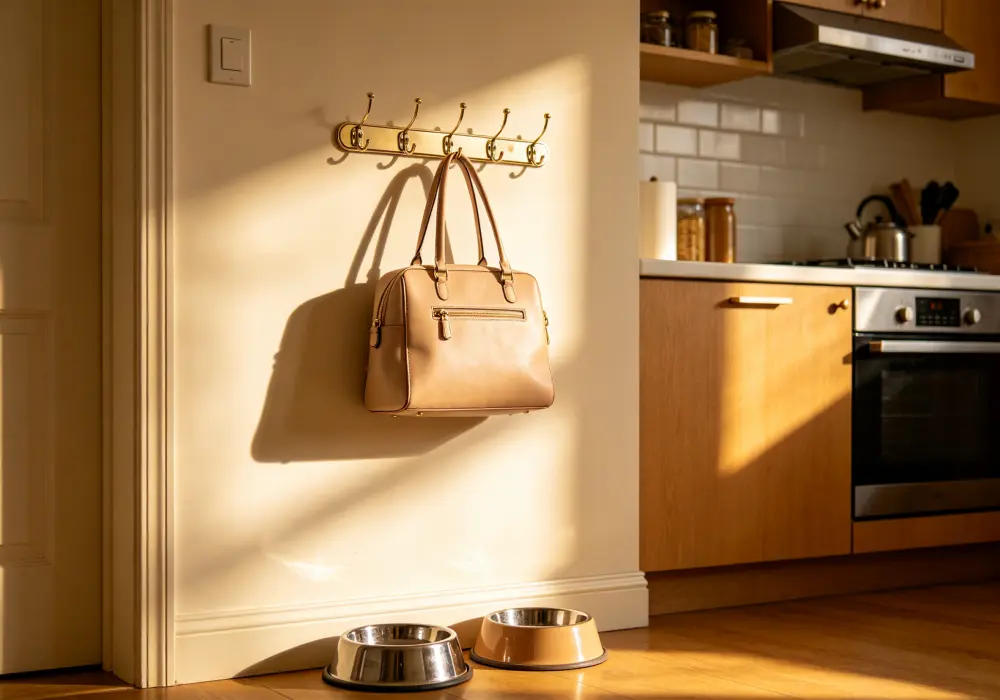
- Secure the Purses: Backpacks and handbags are hot spots for sugar-free gum and mints. Hang them on high hooks immediately.
- Lock Down Trash Cans: Use heavy, latched trash bins or keep your waste containers hidden inside closed cabinets.
- Ban the “Scraps” Culture: Cooked bones and fatty trimmings lead to pancreatitis and physical blockages. Train your family to use dog-safe treats instead.
Being Their Advocate
The ultimate secret to preventing a toxic crisis isn’t memorizing complex veterinary textbooks or chemical dosage tables. The absolute truth is that what is the most toxic food for a dog is often the very item we bought for our own daily enjoyment.
By designing a boringly secure kitchen environment and letting your home’s layout handle the heavy lifting, you ensure your companion stays safe, healthy, and completely out of harm’s way. Build the rules once, enforce them lazily, and keep your vet’s number where you can find it at 2 a.m.
Related Articles

When to Switch Puppy to Adult Dog Food
Puppy nutrition guide When Should You Switch a Puppy to Adult Dog Food? The right time is based less on a birthday and more on your puppy's expected adult size,

Adult vs. Senior Dog Food: What’s the Difference and When Should You Switch?
The difference between adult and senior dog food is rarely obvious from one ingredient or one number on the label. Adult food covers maintenance after growth. Senior formulas often try
How to Choose Dog Food for a Senior Golden Retriever
The gray muzzle often arrives before a Golden Retriever starts acting old. That can make a food change feel premature. Yet an older Golden may already be using fewer calories,