
Dehydration can happen when a dog loses more fluid than they are taking in. It may follow vomiting, diarrhea, fever, heat exposure, heavy panting, low appetite, or simply not drinking enough water. This dog dehydration symptoms checklist is designed to help owners notice warning signs early and decide when home monitoring is no longer enough.
Quick safety note: This guide is educational. It cannot diagnose dehydration or replace veterinary care. If your dog is weak, collapsing, repeatedly vomiting, having severe diarrhea, showing pale or blue gums, or acting confused, contact an emergency veterinarian now.
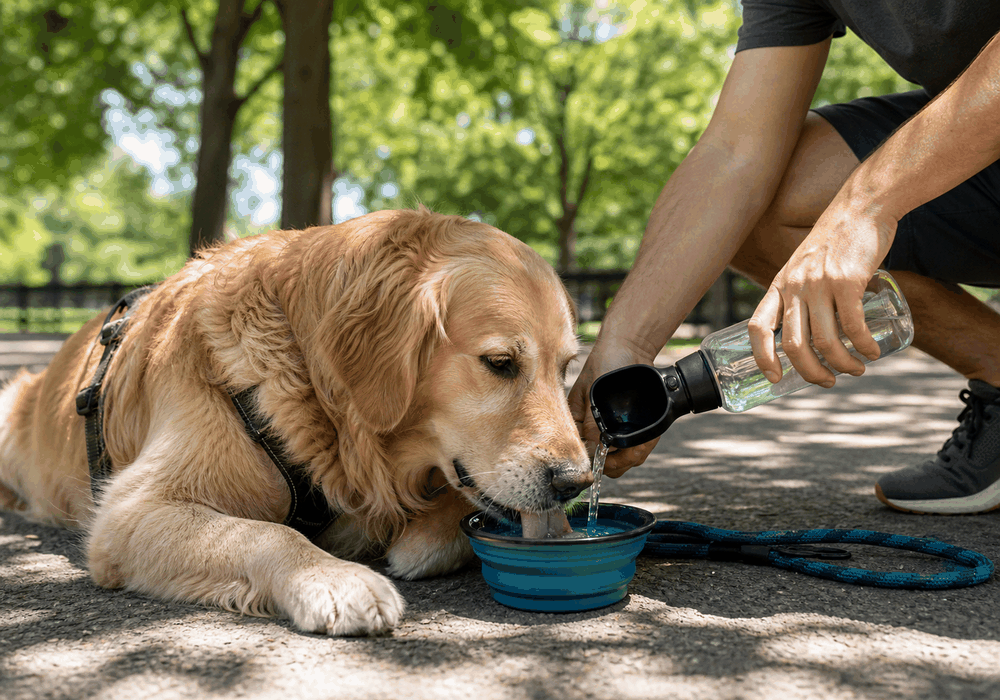
The 7 Signs To Check First
How To Check Your Dog At Home
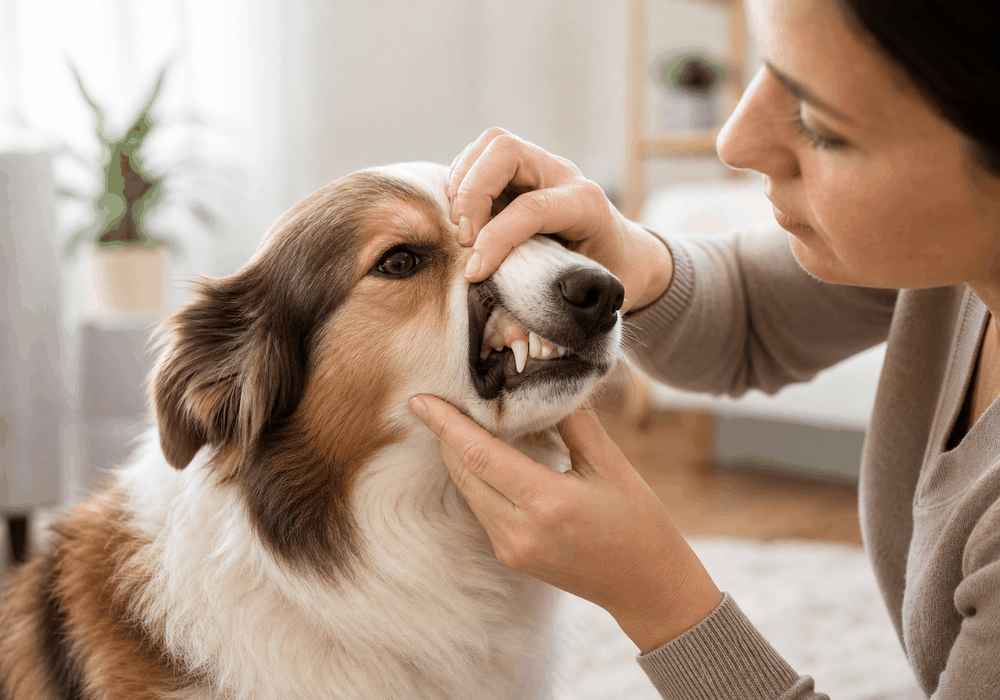
Start with the gums
Lift your dog’s lip and look at the gums. In many healthy dogs, the gums are pink, moist, and shiny. Touch them gently if your dog allows it. If your finger sticks or the surface feels tacky, add that to your checklist.
You can also check capillary refill time. Press one finger lightly on the gum until the spot turns pale, then let go. In many healthy dogs, the color returns quickly. A delayed return can suggest poor circulation and should be taken seriously, especially if your dog is weak, cold, or acting abnormal.
Use the skin tent test carefully
The skin tent test is helpful, but it is not perfect. Older dogs, thin dogs, and dogs with reduced skin elasticity can look dehydrated even when they are not. Puppies and dogs with loose skin can sometimes look more normal than they really are. Use the test as one clue, not as the whole answer.
Look at the full situation
A dog with sticky gums after a short walk is different from a dog with sticky gums, vomiting, diarrhea, and weakness. The context matters. Write down what changed, when it started, whether your dog is drinking, whether they can keep water down, and whether they are urinating normally.
Dog Dehydration Risk Checker
Select what you are seeing. This tool does not estimate fluid needs or tell you how much to give. It only helps you decide how urgently to contact a veterinarian.
If your dog is bright, alert, drinking normally, and has no vomiting, diarrhea, weakness, or abnormal gums, offer fresh water and keep watching. Select any signs above to update this guidance.
When Home Care May Be Reasonable
Home monitoring is only reasonable when signs are mild and your dog is otherwise acting normal. That means your dog is bright, responsive, able to drink, able to keep water down, and not having ongoing vomiting or severe diarrhea.
For mild cases: Offer small, frequent amounts of fresh water. Do not force water into your dog’s mouth. Do not let a nauseated dog gulp a large bowl at once, because that can trigger more vomiting.
If your dog does not improve, refuses water, vomits after drinking, becomes weak, or develops additional signs from the checklist, call a veterinarian. Dehydration is often a sign of an underlying problem, not a standalone issue.
When To Call A Vet Or Go Now
Do not wait for every sign to appear. A dog can be seriously ill before the checklist looks complete. The signs below are enough to contact a veterinarian quickly.
Go to urgent or emergency care now if your dog is collapsing, confused, repeatedly vomiting, having severe or bloody diarrhea, showing pale or blue gums, struggling to stand, or acting very weak.
- Call the same day if your dog has sticky gums plus low energy, poor appetite, vomiting, diarrhea, fever, or reduced urination.
- Call sooner for puppies, senior dogs, toy breeds, and dogs with kidney disease, diabetes, heart disease, pancreatitis, or a history of dehydration.
- If heat exposure is involved, treat it as more urgent. Review the dog heat stroke symptoms guide and contact a vet immediately if your dog is heavily panting, disoriented, weak, or collapsing.
Common Causes Behind Dog Dehydration
Vomiting and diarrhea
Vomiting and diarrhea can remove fluid faster than a dog can replace it by drinking. This is especially dangerous in puppies, small dogs, and older dogs. If loose stool is part of the pattern, your dog may also need a diet and veterinary plan that protects the gut. You can connect this topic with your guide on dog food for loose stools.
Pancreatitis or painful abdominal illness
Dogs with pancreatitis may vomit, refuse food, act painful, or stop drinking normally. That combination can raise dehydration risk quickly. If your dog has belly pain, repeated vomiting, appetite loss, or weakness, compare the pattern with your pancreatitis in dogs symptoms checklist and contact a veterinarian.
Heat, panting, and fever
Panting helps dogs cool down, but it also increases moisture loss. Hot weather, fever, heavy exercise, and humid conditions can all increase dehydration risk. This is where dehydration and heat stroke overlap, but they are not the same article topic. Dehydration is about fluid loss and body water. Heat stroke is an emergency overheating condition.
Not drinking enough
Some dogs drink less because they feel nauseated, are in pain, are stressed, have dental discomfort, or do not like the water source. Sudden drinking changes are worth tracking. Drinking much more than usual can also matter because kidney disease, diabetes, and other conditions can cause dehydration even when a dog seems to drink often.
High Risk Dogs Need Faster Action
| DOG GROUP | WHY THE RISK IS HIGHER | WHAT OWNERS SHOULD DO |
|---|---|---|
| Puppies | Small body size and illness such as parvovirus, parasites, vomiting, or diarrhea can cause rapid fluid loss. | Do not wait through repeated vomiting, diarrhea, weakness, or refusal to drink. Call a vet promptly. |
| Senior dogs | Older dogs may have kidney disease, diabetes, lower appetite, or reduced reserves. Skin tests can also be less reliable. | Track drinking, urination, appetite, gum moisture, and energy level. Call sooner when several signs appear together. |
| Toy and small breeds | Small dogs have less margin for fluid loss. A short period of vomiting or diarrhea can matter more. | Treat ongoing vomiting, diarrhea, or weakness as urgent, even if the dog seemed normal earlier. |
| Dogs with chronic disease | Kidney disease, diabetes, heart disease, pancreatitis, and some medications can change hydration needs and risk. | Ask your vet what early warning signs should trigger a same-day call for your dog. |
A Simple Way To Record What You See
When you call a vet, clear notes help. Record the time symptoms started, how often vomiting or diarrhea happened, whether your dog is drinking, whether they urinated, gum color, gum moisture, energy level, and possible triggers such as heat, new food, toxins, or table scraps.
If you suspect your dog ate something unsafe, check your guide to dog foods to avoid and call your veterinarian or poison control for species-specific guidance.
Prevention Tips That Actually Help
- Keep fresh water available in more than one place, especially in warm weather.
- Bring water on walks, car trips, and outdoor days.
- Use shade, rest breaks, and cooler walking times during hot or humid weather.
- Monitor vomiting, diarrhea, appetite loss, and sudden drinking or urination changes instead of treating them as minor details.
- Use wet food or added moisture only when it fits your dog’s diet and your veterinarian’s advice.
Dog Dehydration Urgency Scale
Use this simple urgency scale as a quick visual summary. It does not replace a veterinary diagnosis, but it can help you decide when dehydration signs are no longer safe to watch at home.
What To Do Next
A useful dog dehydration symptoms checklist should make you calmer and more decisive, not more confident about treating a serious problem at home. Check the gums, skin return, eyes, energy level, saliva, urination, and the story behind the symptoms. If the signs are mild and your dog is acting normal, offer small amounts of water and monitor closely. If the signs are stacking up, contact a veterinarian.
The most important question is not “Is my dog a little thirsty?” The better question is “Is my dog losing fluid faster than they can safely replace it?” When the answer might be yes, professional help is the safer path.
- The 7 Signs To Check First
- How To Check Your Dog At Home
- Dog Dehydration Risk Checker
- When Home Care May Be Reasonable
- When To Call A Vet Or Go Now
- Common Causes Behind Dog Dehydration
- High Risk Dogs Need Faster Action
- A Simple Way To Record What You See
- Prevention Tips That Actually Help
- Dog Dehydration Urgency Scale
- What To Do Next
- Veterinary Sources Reviewed
Related Articles
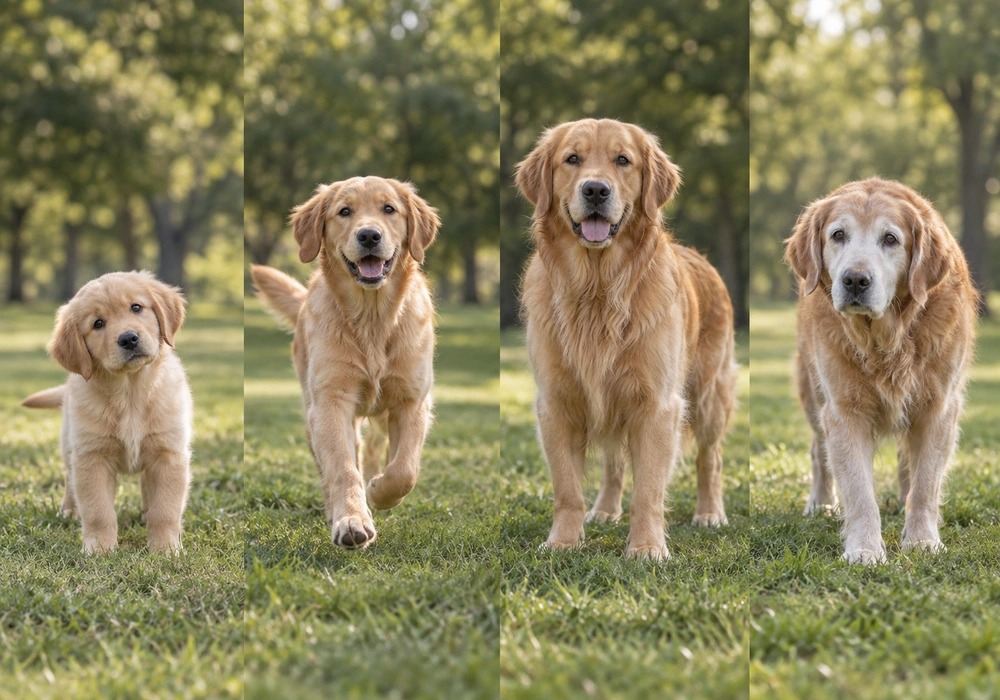
What Are Common Dog Behavior Changes with Age
Canine behavior and healthy aging Common Dog Behavior Changes with Age: What Is Normal and What Is Not? Dogs change throughout life, but age alone does not explain every new

Why Does My Dog Follow Me Everywhere?
DOG BEHAVIOR GUIDEIf you keep wondering, "Why does my dog follow me everywhere?", the answer is often quite ordinary: you are the safest and most rewarding part of your dog's
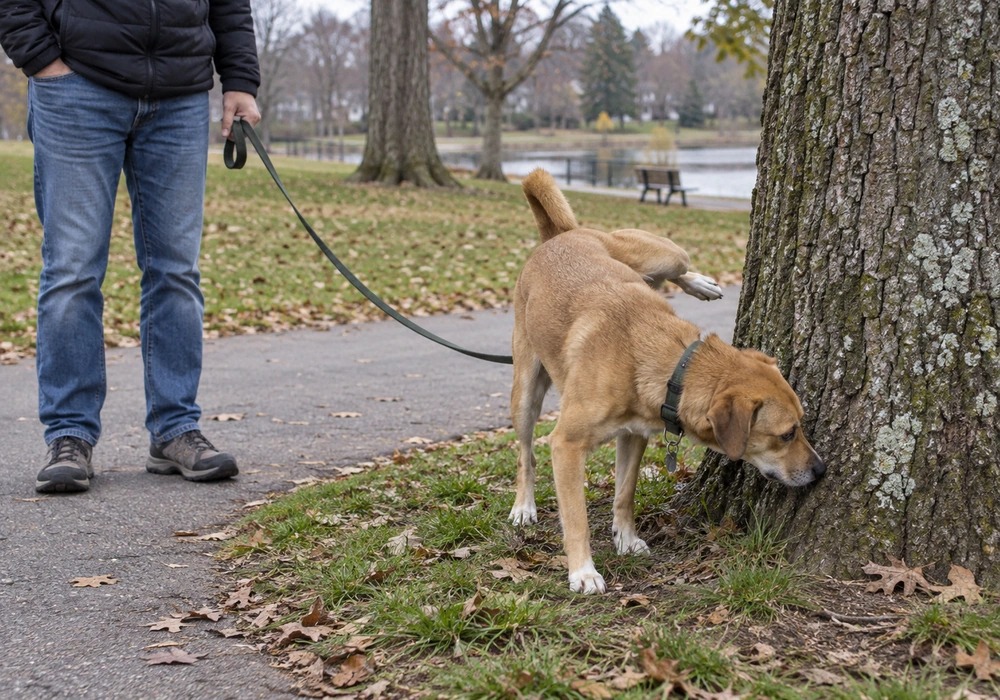
Hormonal Behavior in Dogs: Causes, Signs, and What to Do
Canine behavior and health guide Hormonal Behavior in Dogs: Causes, Signs, and What to Do Hormones can influence marking, roaming, mounting, nesting, appetite, sleep, and emotional responses. They are only