
A dog who pants, paces, hides, trembles, wakes at night, or suddenly becomes irritable may be anxious, in pain, or experiencing both at the same time. These signs overlap so much that behavior alone cannot provide a reliable diagnosis. The safest approach is to look for patterns – especially triggers, movement changes, localized sensitivity, and changes from your dog's normal routine – and let a veterinarian rule out medical causes.
If the behavior appeared suddenly, is getting worse, or is accompanied by breathing difficulty, collapse, a swollen abdomen, repeated unproductive retching, seizures, serious weakness, or possible poisoning, seek urgent veterinary care.
Important: This guide can help you organize observations for your veterinarian. It cannot diagnose anxiety, pain, or a medical condition, and it should not be used to choose or dose medication at home.
Why Dog Anxiety and Pain Can Look So Similar
Pain and anxiety activate some of the same stress-response systems. Either can cause panting, a faster heart rate, trembling, tense muscles, reduced appetite, enlarged pupils, restlessness, or difficulty sleeping. These physical responses are not specific enough to tell the two conditions apart.

That is why one behavior should never be interpreted in isolation. A wagging tail does not rule out pain, and panting does not automatically mean anxiety. According to the Merck Veterinary Manual, physiologic measures such as heart rate and breathing cannot reliably distinguish pain from fear, anxiety, or other stressors. Dogs may also mask discomfort in an unfamiliar environment, including a veterinary clinic.
Pain can change behavior, and persistent fear can make discomfort harder to cope with. A dog with sore joints, for example, may become afraid of slippery floors after several painful slips. A dog who expects painful handling may start hiding, growling, or trying to escape before anyone touches the sensitive area.
The correct answer is therefore not always “anxiety or pain.” Sometimes it is “both.”
Dog Anxiety vs Pain: A Quick Comparison
Use this table to notice patterns, not to make a diagnosis.
| What you observe | Pattern that may lean toward anxiety | Pattern that may lean toward pain or illness |
|---|---|---|
| Timing | Begins around a recognizable trigger such as thunder, visitors, travel, or being left alone | Appears without a clear environmental trigger or persists after the trigger is gone |
| Pacing | Fast, driven movement toward doors, windows, or an escape route | Slow, stiff movement with repeated attempts to lie down or get comfortable |
| Body posture | Crouched body, tucked tail, ears held back, scanning the environment | Arched or rigid posture, protecting one area, or shifting weight away from a limb |
| Movement | Physically capable of normal movement when the trigger disappears | Hesitates on stairs, rising, jumping, turning, entering the car, or walking on certain surfaces |
| Touch | Startles generally but may accept contact after settling | Flinches, stiffens, turns, growls, or moves away when one area is approached |
| Vocalization | Whining, barking, or howling connected to a situation | Yelping during movement or touch, or a new defensive growl when handled |
| Rest and sleep | Remains watchful until the environment feels safe | Frequently changes position, cannot curl up comfortably, or wakes despite a quiet room |
| Licking | Generalized displacement licking or lip licking during a stressful event | Repeated licking or chewing directed at one paw, joint, flank, or body area |
| Social behavior | Seeks reassurance, follows family members, freezes, or hides around a trigger | Withdraws to avoid handling or becomes irritable when someone approaches |
| After the event | Returns close to normal when the trigger ends | Abnormal behavior, movement, or appetite continues |
These are tendencies, not rules. An anxious dog may avoid touch, while a dog in pain may become unusually clingy. Dental, abdominal, neurologic, skin, and musculoskeletal pain can also produce very different behavior patterns.
Signs That May Point More Toward Anxiety
Anxiety becomes more likely when the behavior is consistently tied to a predictable context.
The behavior follows a clear trigger
Common triggers include:
- Thunder, fireworks, construction, or alarms
- A person leaving the house
- Visitors, unfamiliar dogs, or crowded environments
- Car travel or a veterinary visit
- A change in home, schedule, or family activity
The dog may begin scanning, trembling, panting, hiding, seeking an exit, or following a trusted person as soon as the trigger appears. If the same pattern happens each time and resolves when the situation ends, that history is useful evidence for the veterinarian.
Movement remains physically normal
An anxious dog may pace quickly, but the stride often remains fluid. Outside the triggering situation, the dog may still rise, turn, jump, use stairs, and play normally.
This does not completely exclude pain. Adrenaline and excitement can temporarily make subtle mobility problems harder to see.
The whole environment seems to matter
Fear and anxiety often produce generalized vigilance: wide eyes, ears pulled back, a low posture, repeated checking of doors or windows, and exaggerated reactions to sounds or movement. The dog is responding to what may happen next rather than protecting one identifiable body area.
For a broader explanation of these signals, see our dog body language guide.
Signs That May Point More Toward Pain
Pain should move higher on the list when a new behavior change is accompanied by loss of physical function, localized sensitivity, or discomfort that continues in a calm environment.
Normal activities become difficult
Watch for changes such as:
- Rising slowly after rest
- Hesitating before using stairs
- Refusing a jump the dog previously made easily
- Taking longer to enter a vehicle
- Walking with a shorter, stiffer stride
- Slipping or avoiding smooth floors
- Shifting weight off one leg
- Reluctance to turn the head or lower it to a bowl
Chronic pain can be subtle. Owners may initially interpret reduced activity as aging, stubbornness, or anxiety. The AAHA Pain Management Guidelines emphasize the value of owner observations and repeat assessment, particularly with chronic pain.
The dog protects a specific area
Localized guarding is an important clue. A dog may turn to watch your hand, tighten the body, move away, flinch, lick the lips, growl, or snap when one area is approached.
Do not press, flex, squeeze, or repeatedly test a painful area. Even a normally gentle dog may bite defensively when hurt. Record what happened and allow a veterinarian to perform the examination.
Discomfort continues during quiet rest
Panting in a cool room, repeated repositioning, difficulty settling, a rigid sleeping posture, or frequent night waking can occur with pain. The pattern is more concerning when there is no obvious sound, visitor, separation event, heat, or exercise that explains it.
The Merck Veterinary Manual lists trouble getting comfortable, hiding, withdrawal, irritability, eating less, and focused licking or biting as possible signs of pain in pets.
The Overlap Zone: When Anxiety and Pain Occur Together
Pain can create fear through learning. If jumping into a car hurts, the dog may later tremble or back away at the sight of the vehicle. If a loud noise causes a painful startle movement, the dog may begin reacting to similar sounds before anything hurts.
A small clinical study of dogs with noise sensitivity found meaningful differences between cases with and without musculoskeletal pain. Dogs in the pain group tended to develop noise sensitivity later and showed broader avoidance patterns. The authors advised veterinarians and behaviorists to assess possible pain, especially when noise sensitivity begins in an adult dog or expands to new environments. The study included only 20 dogs, so it supports clinical awareness rather than a home diagnostic rule. See the peer-reviewed study in Frontiers in Veterinary Science.
Pain may also reduce a dog's tolerance. A dog who previously walked away from a child or another pet may start growling because moving away has become difficult. Sudden aggression is therefore a safety issue and a possible medical clue, not proof that the dog has become “bad.”
If your dog's personality or habits changed unexpectedly, also read our guide to sudden behavior changes in dogs.
A Safe At-Home Observation Checklist
Observe your dog during normal activity for several days if the condition is mild and your veterinarian has not advised immediate care. Do not deliberately recreate a frightening event or force a painful movement.
Record:
- The date and time each episode begins
- What happened during the previous 30 minutes
- Whether a person, sound, departure, surface, movement, or touch preceded it
- How long the episode lasts
- Breathing and panting while resting
- Appetite, water intake, urination, and bowel movements
- Ability to rise, walk, turn, use stairs, and settle
- Any area the dog repeatedly licks or protects
- Sleep quality and nighttime waking
- Whether removing a trigger changes the behavior
- Any recent injury, illness, medication, grooming, travel, or routine change
Use neutral descriptions. “Paced between the front door and window for 12 minutes after thunder” is more useful than “was very anxious.” “Took three attempts to stand after sleeping” is more useful than “seemed painful.”
The University of Pennsylvania's C-BARQ shows why context matters in behavioral assessment: fear, separation-related behavior, attachment, touch sensitivity, excitability, and other patterns are evaluated separately rather than reduced to a single sign.
Take short videos
Record one or two minutes of:
- Rising after sleep
- Walking toward and away from the camera
- Turning in both directions
- Settling into bed
- A spontaneous panting or pacing episode
Do not stage an episode. Natural video recorded at home can reveal movement and behavior that are less obvious in a clinic. AAHA specifically notes that home videos can help owners and veterinary teams monitor mobility and treatment response in senior pets.
What Not to Do at Home
- Do not give ibuprofen, naproxen, acetaminophen, aspirin, leftover veterinary medicine, sedatives, or supplements unless your veterinarian has specifically instructed you to do so for this dog.
- Do not use someone else's prescription or change a prescribed dose.
- Do not force the dog to climb stairs, jump, or tolerate touching to “confirm” pain.
- Do not punish growling, hiding, or avoidance. These behaviors communicate distress and may prevent a bite.
- Do not assume calming down after comfort proves the problem is anxiety.
- Do not rely on an online percentage score to diagnose pain or anxiety.
Veterinarians may sometimes use a carefully selected treatment trial as one part of an examination and follow-up plan. Drug choice, dose, contraindications, monitoring, and interpretation belong with the treating veterinarian. Response to medication alone does not establish a complete diagnosis.
When to Call a Veterinarian
Arrange a veterinary appointment promptly if:
- The behavior change appeared suddenly without a clear reason
- Panting, pacing, hiding, or sleep disruption keeps returning
- Appetite or normal activity has decreased
- The dog is stiff, limping, reluctant to rise, or avoiding stairs
- Touching or approaching one area causes a new defensive response
- Anxiety-like behavior begins for the first time in a mature or senior dog
- Noise sensitivity or avoidance is spreading to more situations
- The dog has become uncharacteristically aggressive
- Signs last beyond the original trigger or continue to worsen
Tell the clinic about aggression or touch sensitivity before the appointment so the team can plan safer, lower-stress handling.
Seek urgent care now if you notice:
- Labored or difficult breathing
- Blue, gray, or very pale gums
- Collapse, severe weakness, or loss of consciousness
- Repeated attempts to vomit with a swollen or painful abdomen
- A seizure, sudden paralysis, or inability to stand
- Major trauma or uncontrolled bleeding
- Suspected poisoning
- Severe, continuous pain or distress
These signs should not be monitored at home as a possible anxiety episode. The VCA guide to common canine emergencies recommends immediate veterinary attention for breathing difficulty, collapse, poisoning, serious trauma, and other unstable conditions.
What Your Veterinarian May Evaluate
The visit may include:
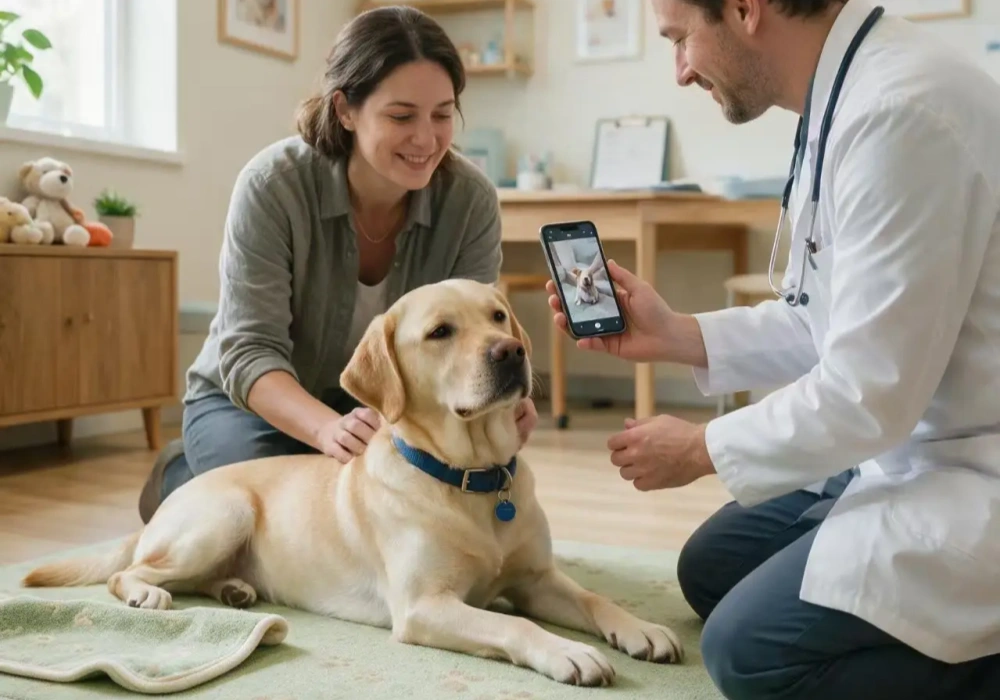
- A detailed timeline and behavioral history
- Observation of posture, gait, movement, and response to handling
- Orthopedic, neurologic, abdominal, oral, skin, and ear assessment as indicated
- Review of medications, diet, sleep, activity, and recent life changes
- Laboratory testing or imaging when the examination suggests a medical cause
- Use of an appropriate pain or behavior assessment tool
- Referral to a veterinary behaviorist, rehabilitation professional, neurologist, or other specialist
Validated tools serve different purposes. Pain tools such as the Canine Brief Pain Inventory and Liverpool Osteoarthritis in Dogs questionnaire help assess function and chronic pain. C-BARQ describes behavior patterns. None should be treated as a stand-alone diagnosis, and a homemade anxiety-versus-pain score should not replace examination.
The Bottom Line
Dog anxiety and pain share many signs, including panting, pacing, hiding, trembling, appetite changes, sleep disruption, and irritability. The most useful clues are the pattern around the behavior:
- Anxiety may be more likely when signs reliably follow a recognizable trigger and resolve when the environment feels safe.
- Pain may be more likely when there is reduced mobility, localized guarding, difficulty getting comfortable, or abnormal behavior that persists in a calm setting.
- Both may be present, particularly when pain has made normal situations feel unpredictable or unsafe.
When a behavior change is new, persistent, or severe, start with a veterinary assessment. Bring a precise timeline and natural videos from home. Good observation helps the veterinarian; it does not require you to diagnose the problem yourself.
Frequently Asked Questions
Can anxiety make a dog look like it is in pain?
Yes. Anxiety can cause panting, trembling, muscle tension, restlessness, reduced appetite, vocalization, and avoidance. Those same signs can occur with pain, so context and a veterinary examination are important.
Can pain cause anxiety in dogs?
Yes. Pain can make movement, touch, sounds, floors, other animals, or handling feel unpredictable. A dog may learn to fear situations associated with discomfort, and pain can reduce tolerance for normal interaction.
Does panting mean my dog is anxious or in pain?
It can mean either, but panting also occurs with heat, exercise, respiratory disease, heart disease, medication effects, and other medical conditions. Panting at rest in a cool room, especially with other changes, deserves veterinary attention.
Why is my dog suddenly hiding?
Hiding may follow fear or an environmental change, but pain and illness can also cause withdrawal. Sudden hiding accompanied by appetite loss, weakness, vomiting, breathing changes, abnormal movement, or persistent behavior should be discussed with a veterinarian.
Is growling a sign of pain?
It can be. A dog may growl to create distance when movement or touch hurts. Fear and anxiety can also cause growling. Do not punish the warning; stop the interaction and seek professional help.
How long should I observe my dog before calling the vet?
Urgent signs require immediate care. For a sudden unexplained behavior change, suspected pain, reduced function, or worsening symptoms, contact the clinic promptly rather than waiting for a fixed number of days. For mild trigger-specific behavior in an otherwise normal dog, your veterinarian can advise whether monitoring is appropriate.
References and Further Reading
- American Animal Hospital Association. 2022 AAHA Pain Management Guidelines for Dogs and Cats.
- Merck Veterinary Manual. Recognition and Assessment of Pain in Animals.
- Merck Veterinary Manual. Diagnosis of Behavior Problems in Animals.
- University of Pennsylvania School of Veterinary Medicine. About the C-BARQ.
- Fagundes A.L.L., Hewison L., McPeake K.J., et al. Noise Sensitivities in Dogs With and Without Musculoskeletal Pain. Frontiers in Veterinary Science. 2018;5:17.
- VCA Animal Hospitals. Common Emergencies in Dogs.
Related Articles
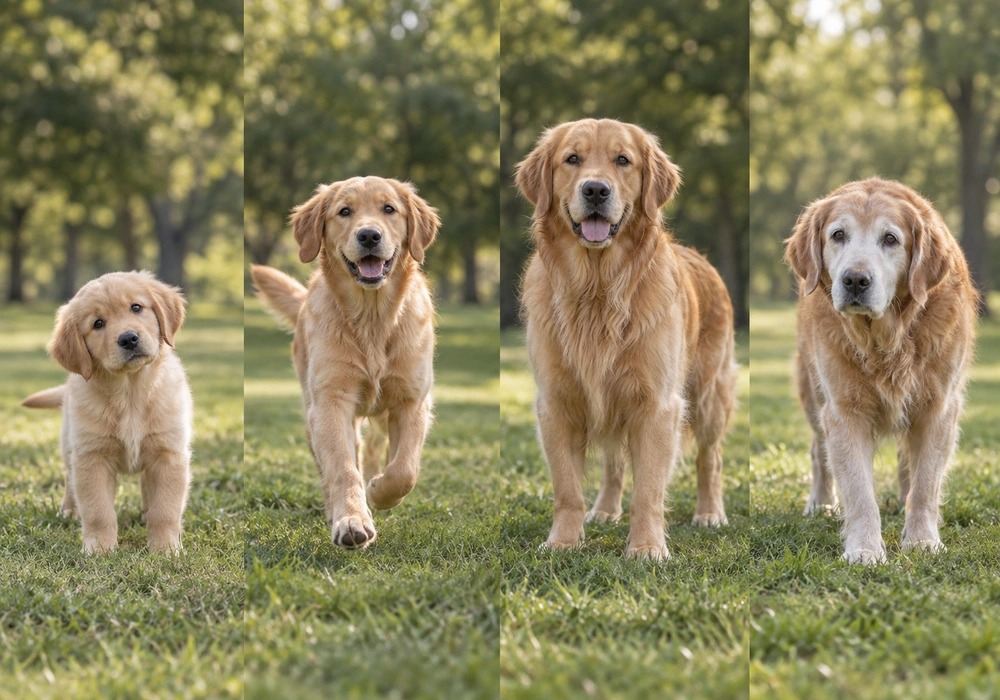
What Are Common Dog Behavior Changes with Age
Canine behavior and healthy aging Common Dog Behavior Changes with Age: What Is Normal and What Is Not? Dogs change throughout life, but age alone does not explain every new
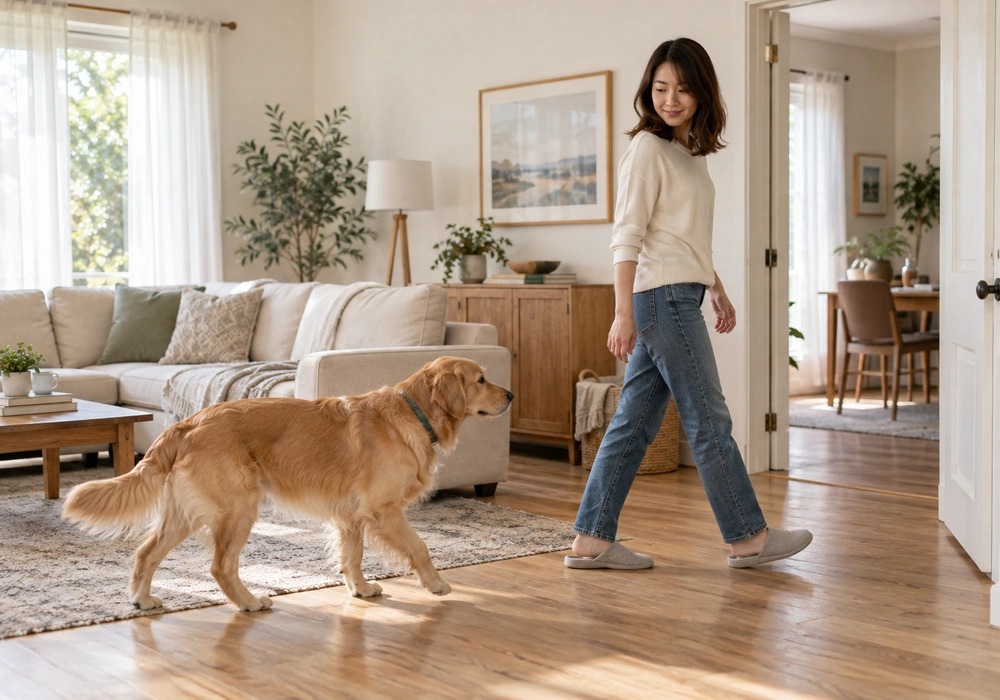
Why Does My Dog Follow Me Everywhere?
DOG BEHAVIOR GUIDEIf you keep wondering, "Why does my dog follow me everywhere?", the answer is often quite ordinary: you are the safest and most rewarding part of your dog's
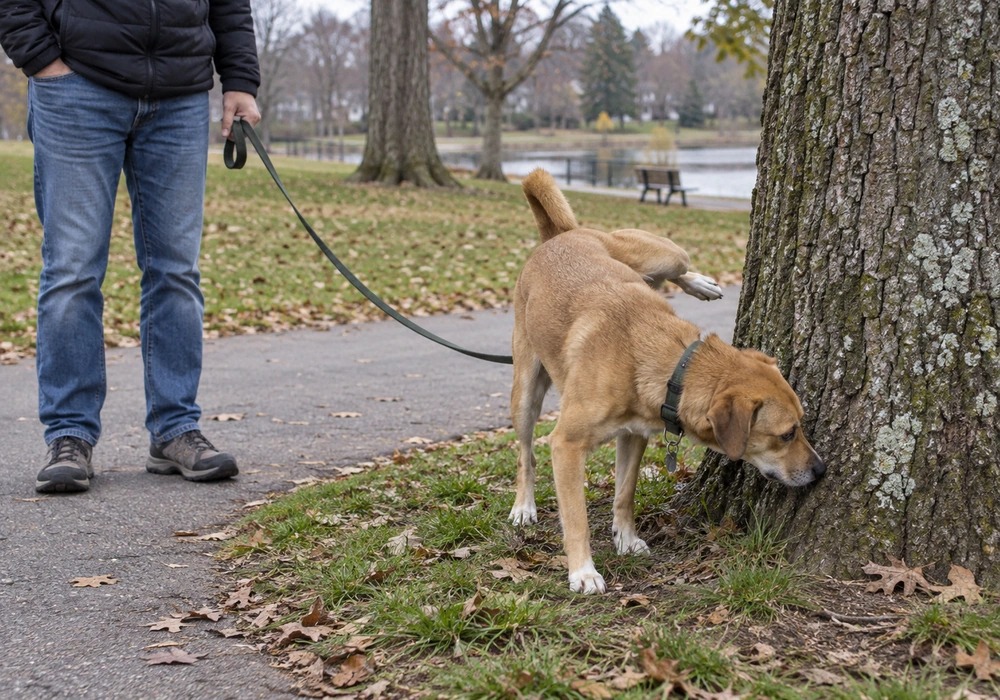
Hormonal Behavior in Dogs: Causes, Signs, and What to Do
Canine behavior and health guide Hormonal Behavior in Dogs: Causes, Signs, and What to Do Hormones can influence marking, roaming, mounting, nesting, appetite, sleep, and emotional responses. They are only