If you keep wondering, "Why does my dog follow me everywhere?", the answer is often quite ordinary: you are the safest and most rewarding part of your dog’s day. Following can come from affection, habit, curiosity, breed tendencies, or the hope that food or a walk is coming. It is usually harmless if your dog can also rest alone. Pay closer attention when the behavior starts suddenly or comes with panic, pain, confusion, appetite changes, house-soiling, or an inability to settle without touching you.
The clues are in what happens when your dog cannot follow. An affectionate "velcro dog" usually settles; a bored, anxious, uncomfortable, or confused dog often shows other changes. Once you know which pattern you are seeing, you can encourage independence without punishing the dog for wanting company.
Calm following is often normal social behavior. Following becomes more concerning when your dog cannot cope with a closed door, refuses food when left alone, destroys exit points, vocalizes continuously, drools heavily, or suddenly becomes clingy after previously being independent.
Is It Normal for a Dog to Follow You From Room to Room?
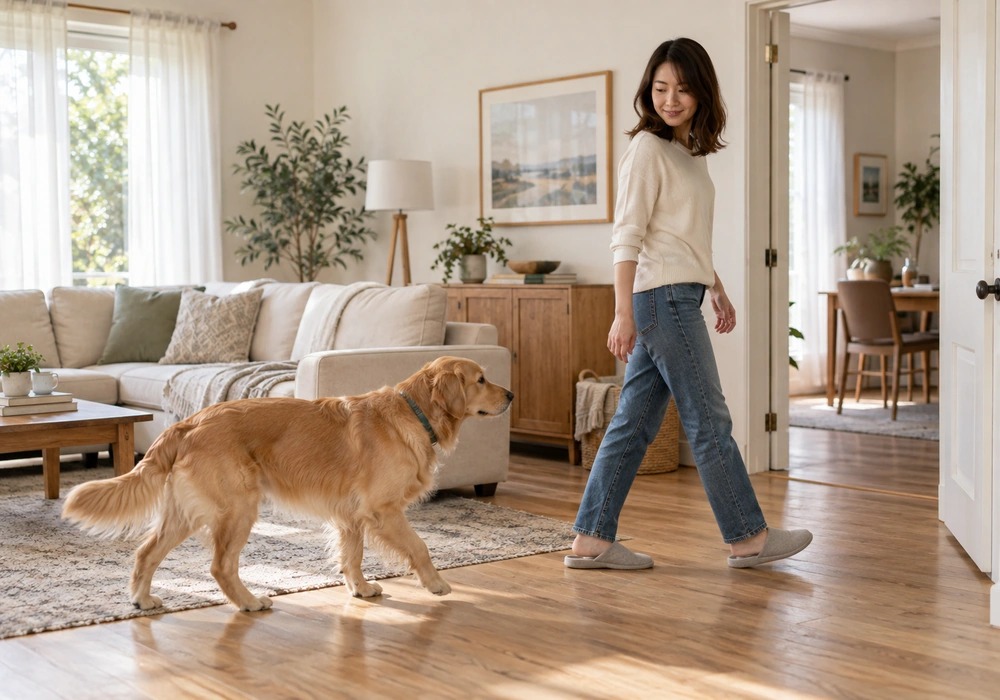
Yes. Dogs are social animals, and domestic dogs have been selected for generations to pay close attention to people. Your movements may tell your dog where the next meal, walk, game, open door, or comfortable resting place will be. Staying nearby also allows a dog to gather information about what is happening in the home.
Following alone does not indicate anxiety. A securely attached dog may trail you into the kitchen, lie beside your desk, and check where you are without becoming distressed. What matters is whether the dog can relax when following is not possible.
A dog who waits quietly outside the bathroom or naps in another room is probably comfortable. Scratching at the door, prolonged howling, heavy panting, drooling, or escape attempts point to distress instead.
Nine Reasons Your Dog Follows You Everywhere
The reasons often overlap. A naturally people-focused dog may also have learned that a trip to the kitchen occasionally produces a snack.
1. You Are a Secure Base
Many dogs use a familiar person as a secure base: someone whose presence makes exploration and rest feel safer. When you move, your dog may relocate to preserve that sense of security and social connection.
Studies of dog-human attachment have linked eye contact, touch, and other friendly interactions with changes in oxytocin. Calling it a simple "love hormone" story goes too far, though. Genetics, learning, daily care, temperament, and the history between a dog and owner all shape attachment.
Secure attachment usually allows flexibility. Your dog wants to be with you but can still investigate the environment, sleep away from you, interact with other family members, and recover after a brief separation.
2. You Control Valuable Resources
From your dog’s perspective, people make important events happen. You fill the food bowl, open the back door, attach the leash, start games, offer attention, and provide access to favorite places.
Your dog may therefore follow you to avoid missing an opportunity. This is especially common around predictable times of day. If following increases before breakfast, the evening walk, or your usual trip to the yard, anticipation may explain more than emotional dependence.
Watch where the behavior occurs. A dog who follows mainly into the kitchen is giving you different information from a dog who remains pressed against your leg throughout the night.
3. Following Has Been Rewarded
Dogs repeat behavior that works. When your dog follows and receives a glance, conversation, petting, a toy, or a small piece of food, the trip has been rewarded.
The reward does not have to occur every time. In fact, an occasional payoff can keep the habit going because the dog never knows which trip will be worthwhile. Even asking, "What do you want?" may be enough attention to reward the follow.
There is no need to ignore your dog all day. Start shifting some attention toward the behavior you want: relaxing on a bed, playing independently, or staying settled while you walk across the room.
4. Your Movements Predict What Happens Next
Dogs notice small sequences that people overlook. Closing a laptop may predict a walk. Putting on particular shoes may predict leaving the house. Opening a certain cupboard may predict a chew. Standing from the sofa may predict that everyone is moving to another room.
Soon, the first cue in the sequence is enough. Your dog may get up before you have decided what to do because closing the laptop or reaching for your shoes usually leads somewhere interesting.
Try changing the sequence occasionally. Pick up your keys and sit down. Put on your walking shoes without leaving. Walk into the kitchen without offering food. When a cue stops predicting the same outcome every time, it usually becomes less exciting.
5. Breed and Working History Influence Proximity
Some dogs were deliberately bred to monitor and cooperate with people. Herding dogs often track movement closely and may watch feet, anticipate direction changes, or position themselves in doorways. Retrievers and spaniels were developed to work in coordination with handlers and may naturally maintain closer contact.
Many companion breeds were selected primarily for social closeness. By contrast, livestock guardians and some independently working breeds may be more comfortable observing from a distance.
Breed descriptions only suggest tendencies. Early social experience, age, personality, and learning history can easily outweigh them. A Great Pyrenees may be clingy, and a Border Collie still needs to know how to switch off and rest.
6. Your Dog Is Bored or Understimulated
When little else is available, following you becomes the most interesting activity in the house. Dogs need opportunities to sniff, chew, forage, play, explore, train, and rest. Physical exercise alone is not always enough; a dog can return from a repetitive walk physically tired but mentally unsatisfied.
Before adding more exercise, look at how your dog spends the whole day. Useful options include:
- A relaxed sniffing walk where the dog chooses the pace
- Food scattered in grass or hidden around one safe room
- A stuffed food toy offered on a separate resting mat
- Short training sessions that teach calm, practical skills
- Safe chewing appropriate for the dog’s size and chewing style
- Time to sleep without repeated interruption
If independent activities reduce the following, boredom or a lack of alternatives was probably contributing.
7. Something in the Environment Feels Uncertain
Dogs often move closer to a trusted person during thunderstorms, fireworks, construction noise, visits, travel, or household changes. In that setting, following is a way to cope with something specific, not necessarily part of the dog’s everyday personality.
Read the rest of the body. A loose body, soft eyes, neutral ears, and an easy resting posture suggest comfort. A low posture, tucked tail, trembling, scanning, panting without heat, repeated yawning, or refusal of food suggests stress. The site’s guide to dog body language can help you evaluate those signals together.
Let a worried dog retreat to a quiet, familiar area. Background sound may help with outside noise, and the dog should be free to seek contact or move away. Repeatedly forcing exposure can intensify fear instead of teaching the dog to cope.
8. Your Dog Has Hyper-Attachment or Separation-Related Distress
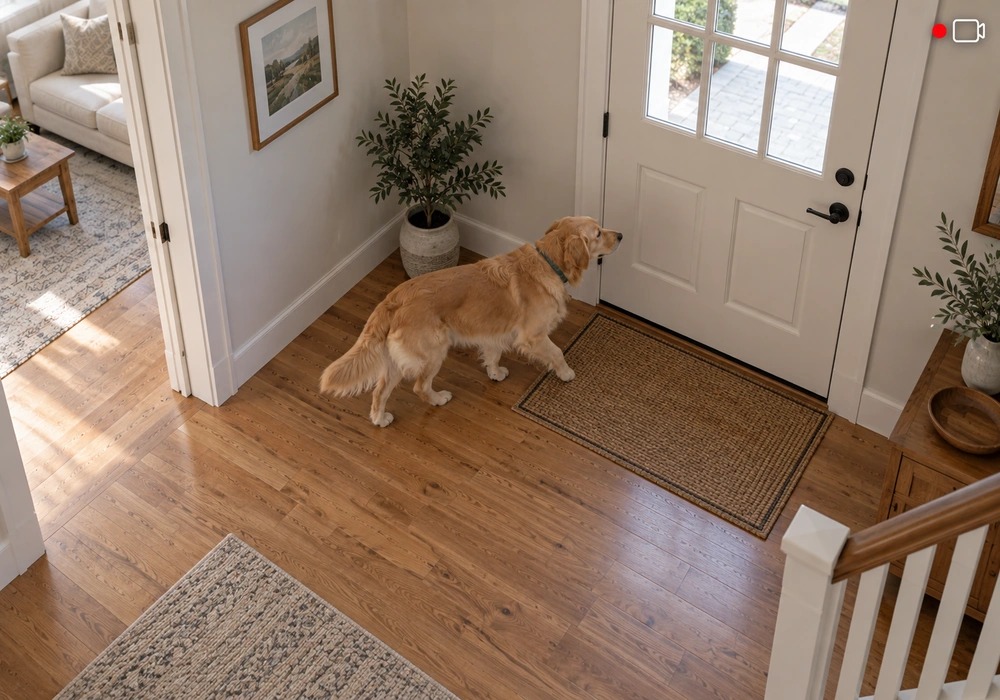
Clinginess and separation anxiety overlap, but they are not the same condition. Some dogs follow their owners constantly yet sleep calmly once the house is empty. Other dogs appear relatively independent while the owner is home but panic after departure.
The defining evidence is what happens during separation. Signs of a separation-related problem may include:
- Persistent barking or howling after departure
- Pacing that continues instead of settling
- Heavy panting or hypersalivation
- Destruction focused on doors, windows, crates, or exit areas
- Urination or defecation despite reliable house training
- Refusing high-value food only when alone
- Escape attempts that risk broken teeth, nails, or other injury
A phone or home camera can show what you would otherwise miss. Record an ordinary, brief departure instead of staging a long test. If the dog panics, do not extend the absence to see whether they eventually stop. Share the footage with a veterinarian or qualified behavior professional.
Texas A&M Veterinary Medicine notes that separation anxiety can involve destructive escape behavior, persistent vocalization, elimination, and hypersalivation when an animal is alone or believes it is alone. Treatment may combine environmental changes, behavior work, and veterinarian-prescribed medication.
9. Pain, Illness, Sensory Loss, or Cognitive Change Is Making Your Dog Clingy
A sudden change deserves more attention than a lifelong habit. Dogs who feel physically vulnerable may stay close to the person they associate with safety. Arthritis, back or neck pain, gastrointestinal discomfort, weakness, and other medical problems can alter social behavior before the cause is obvious.
Vision or hearing loss can also make the home less predictable. An older dog may follow to avoid being startled or to use your movement as an orientation cue. Senior dogs with cognitive dysfunction may become disoriented, sleep at unusual times, pace at night, stare into corners, forget familiar routines, soil indoors, or show new anxiety.
Veterinarians often organize these changes with the acronym DISHAA:
- Disorientation
- Changes in social Interactions
- Altered Sleep-wake cycles
- House-soiling
- Changes in Activity
- Increased Anxiety
The Merck Veterinary Manual describes sensory, emotional, and cognitive changes that can occur in older dogs. New behavior should still be investigated instead of being dismissed as "just old age."
If you are unsure whether a new behavior reflects emotion or discomfort, see dog anxiety versus pain and arrange a veterinary examination. The guide to sudden dog behavior change explains why an abrupt personality shift should be assessed in context.
Velcro Dog vs. Hyper-Attachment vs. Separation Anxiety
These descriptions are practical patterns, not labels to assign without professional assessment.
| What you observe | Affectionate "velcro dog" | Possible hyper-attachment | Possible separation-related distress |
|---|---|---|---|
| While you are home | Follows and rests nearby | Needs frequent contact and closely monitors movement | May appear clingy, restless, or sometimes fairly normal |
| Behind an interior door | Waits or settles | Whines, scratches, or cannot relax | Response varies depending on the dog and barrier |
| After you leave | Settles, sleeps, eats, or chews | May remain vigilant and delay settling | Sustained panic, escape behavior, vocalization, drooling, or house-soiling |
| Ability to eat alone | Usually accepts food | May hesitate until you return | Often ignores even valuable food during distress |
| Best next step | Optional independence practice | Gradual barrier and relaxation work | Veterinary and behavior assessment; avoid forcing long absences |
Following you indoors cannot confirm or rule out separation anxiety. Video of the dog’s behavior during a normal absence is far more informative.
Why Is My Dog Suddenly Following Me Everywhere?
First, identify what changed. Consider the dog’s health, the household, and the timing.
Ask yourself:
- Did the following begin within days rather than gradually?
- Is your dog eating, drinking, urinating, and passing stool normally?
- Is there limping, stiffness, trembling, restlessness, or sensitivity to touch?
- Does your dog startle more easily or struggle in dim light?
- Has your work schedule, household membership, or sleeping arrangement changed?
- Did another pet die or move away?
- Is your dog pacing at night or appearing lost in familiar rooms?
- Is an intact dog responding to reproductive cues nearby?
Reproductive hormones can affect restlessness, roaming, attention, and social behavior, but they do not explain every personality change. The guide to hormonal behavior in dogs covers when reproductive timing fits and when another medical or behavioral cause is more likely.
Arrange a veterinary appointment when new clinginess persists, particularly in an adult or senior dog. Bring a short timeline and videos of the behavior. Note changes in mobility, sleep, appetite, thirst, elimination, breathing, and responsiveness.
How to Encourage Healthy Independence
Healthy independence means your dog can feel safe, rest, and enjoy an activity without staying within touching distance. It does not weaken the bond between you.
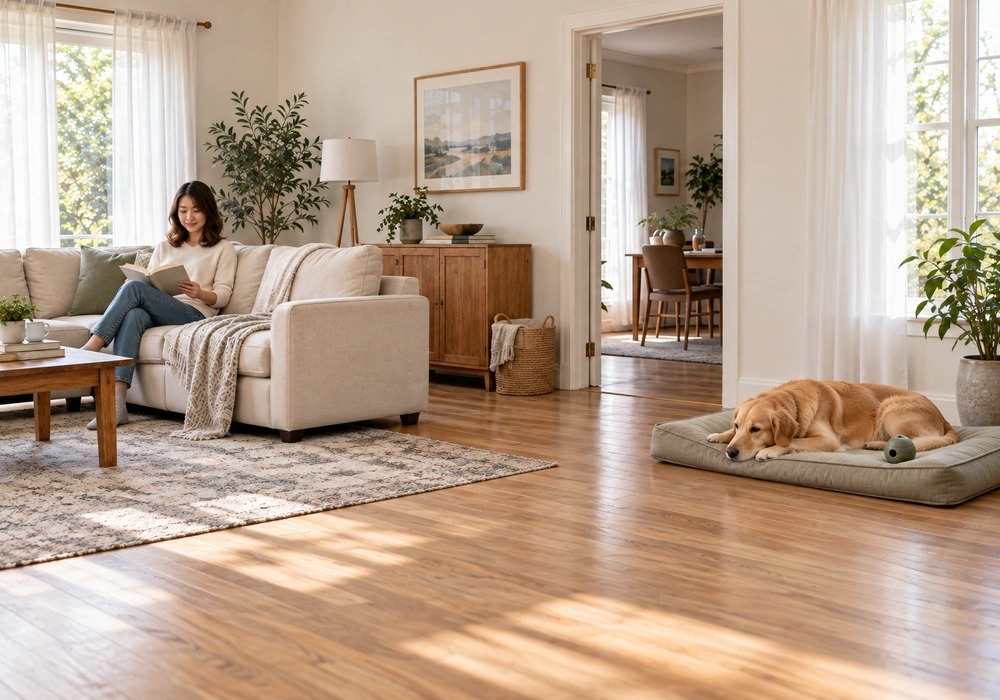
Step 1: Reward a Separate Resting Place
Choose a comfortable bed or mat in a quiet location where your dog can still see normal household activity. Reward voluntary approaches to the mat, then reward standing, sitting, and lying down on it.
Keep the first sessions short. Release your dog before they become restless. Gradually reward longer periods of relaxed behavior rather than insisting on a formal stay.
Step 2: Move Without Making Every Movement Important
Once your dog is relaxed, take one step away and return. Reward calmness on the mat. Progress to two steps, walking across the room, briefly turning your back, and eventually disappearing for a second.
If the dog gets up, the step was too difficult or too long. Reset without scolding and make the next repetition easier.
You can also reduce accidental reinforcement. When casually moving between rooms, avoid automatically talking to, touching, or feeding the dog for following. Save attention for calm behavior and planned interaction.
Step 3: Pair Independence With Something Worth Doing
Offer a safe chew, food puzzle, or stuffed toy on the resting mat. The activity should match your dog’s dietary needs and chewing habits, and it should not create conflict with another pet.
Begin while you remain nearby. The dog should not learn that the special item always predicts your immediate departure. Over time, move around the room while the dog remains engaged.
Step 4: Build Distance Gradually
Increase only one variable at a time:
- Distance from the dog
- Time out of sight
- Degree of barrier closure
- Real departure duration
A baby gate or partially open door may be easier than a fully closed door. Some dogs find visual separation harder than physical distance, so watch the individual dog rather than following a rigid schedule.
Return while the dog is still calm. If you see panting, pacing, whining, scratching, refusal of food, or frantic movement, reduce the difficulty. Training through panic does not teach independence.
Step 5: Make Departure Cues Less Predictive
If shoes, keys, bags, or a closing laptop trigger instant shadowing, practice those cues without always leaving. Pick up the keys and make tea. Put on a jacket and sit down. Open the front door, close it, and continue your routine.
Keep these rehearsals quiet and uneventful. With repetition, one cue will no longer guarantee a long absence.
Step 6: Meet the Dog’s Needs Predictably
Independence is easier when physical, social, and mental needs are being met. Provide age-appropriate exercise, sniffing opportunities, predictable meals, regular toilet access, rest, and positive interaction.
Avoid responding to clinginess by withholding all affection. Unpredictable or scarce contact may increase monitoring in some dogs. Instead, make connection reliable and teach an additional skill: settling comfortably at a distance.
What Not to Do
- Do not punish your dog for following. Punishment can add uncertainty and make proximity-seeking stronger.
- Do not suddenly shut a distressed dog behind a door for long periods.
- Do not use "cry it out" methods for panic during absences.
- Do not assume getting a second dog will cure separation anxiety.
- Do not crate a dog who attempts to break out and injures their mouth, paws, or nails.
- Do not give human sedatives or another pet’s medication.
- Do not increase departure time when your video shows that the dog never settled.
Medication may be appropriate for a diagnosed separation-related disorder or cognitive dysfunction. A veterinarian must choose and prescribe it. In many cases, medication supports the behavior plan by bringing distress down to a level at which the dog can learn.
When to Contact a Veterinarian or Behavior Professional
Schedule a veterinary examination if following is new, rapidly increasing, or accompanied by:
- Pain, limping, stiffness, weakness, or reluctance to use stairs
- Changes in appetite, thirst, urination, or stool
- Night waking, pacing, staring, or disorientation
- New vision or hearing difficulties
- Panting or restlessness without heat or exercise
- Vomiting, diarrhea, weight change, or reduced stamina
- Sudden irritability or guarding of the owner
Seek prompt professional help if the dog panics when alone, injures themselves while trying to escape, cannot eat during absences, or shows aggression toward people or animals who approach you. Owner guarding requires a structured safety and behavior plan; it should not be interpreted as flattering loyalty. The article on dog guarding owner behavior explains the difference.
Start with your regular veterinarian to rule out medical causes. For significant fear, separation distress, or aggression, ask for a referral to a board-certified veterinary behaviorist or a qualified reward-based behavior professional who collaborates with your veterinarian.
Frequently Asked Questions
Clear answers to the questions owners most often ask about shadowing and clingy behavior.
Does my dog follow me everywhere because they love me?
Affection and attachment may be part of the explanation, but following is rarely proof of one emotion. Food, routine, curiosity, learning history, breed tendencies, boredom, uncertainty, and discomfort can produce the same visible behavior. Look at whether your dog appears relaxed and can cope when you are unavailable.
Why does my dog follow me to the bathroom?
Bathrooms create a predictable combination of movement, a closed door, and uninterrupted access to you. Your dog may simply be maintaining social contact or may have learned that following receives attention. Calm waiting is usually harmless. Panic at every closed interior door suggests that barrier tolerance needs attention.
Why does my dog follow me but not other family members?
Dogs often prefer the person most associated with food, walks, training, comfort, or predictable communication. Temperament and past experience also shape preferences. This does not necessarily mean the dog dislikes anyone else.
Are certain breeds more likely to be velcro dogs?
Handler-focused herding dogs, cooperative sporting breeds, and companion breeds often remain close to people, but breed stereotypes are not reliable enough to explain a sudden change. Every dog should still be evaluated as an individual.
Should I ignore my dog when they follow me?
You do not need to ignore your dog completely. Make ordinary room changes uneventful, then deliberately reward resting on a bed, independent enrichment, and calm behavior at a distance. The lesson should be that independence pays, not that social contact has disappeared.
How can I tell whether my dog has separation anxiety?
Observe what happens after departure. Persistent vocalization, pacing, hypersalivation, exit-focused destruction, house-soiling, refusal of food, and escape attempts are more informative than following while you are home. Record a normal absence and discuss concerning behavior with a veterinarian.
Why is my senior dog suddenly so clingy?
Pain, reduced hearing or vision, anxiety, and cognitive dysfunction can make an older dog rely more heavily on a familiar person. New clinginess combined with night pacing, house-soiling, altered interactions, or disorientation warrants a veterinary assessment.
The Bottom Line
If you are still asking why does my dog follow me everywhere, watch how your dog feels rather than measuring how many feet separate you. Relaxed following often comes from attachment, habit, anticipation, or temperament. A dog who can eat, sleep, explore, and stay calm without constant contact probably does not have a problem that needs fixing.
Sudden clinginess, distress behind barriers, panic during departures, or new changes in sleep, mobility, appetite, senses, and orientation deserve closer attention. Rule out medical causes, observe the behavior on video, and build independence in small steps that keep your dog below the point of fear.
References
Related Articles
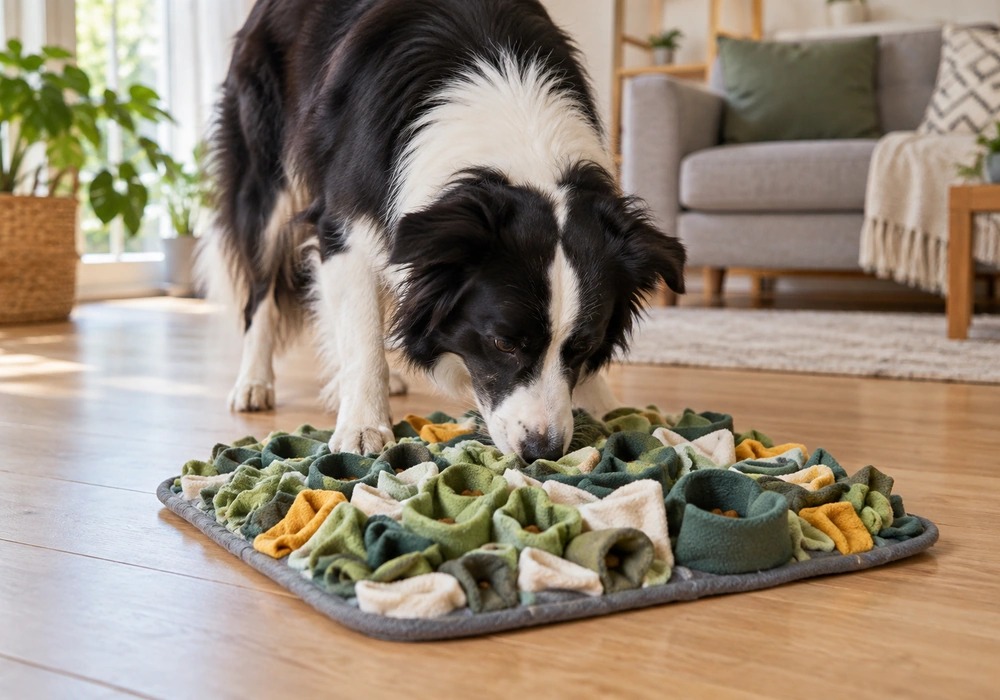
7 Fun Games for Dog Mental Stimulation
Mental stimulation for dogs is play and problem-solving that works the brain instead of just the legs: scent games, puzzle toys, hidden treats, new tricks. A physically tired dog can
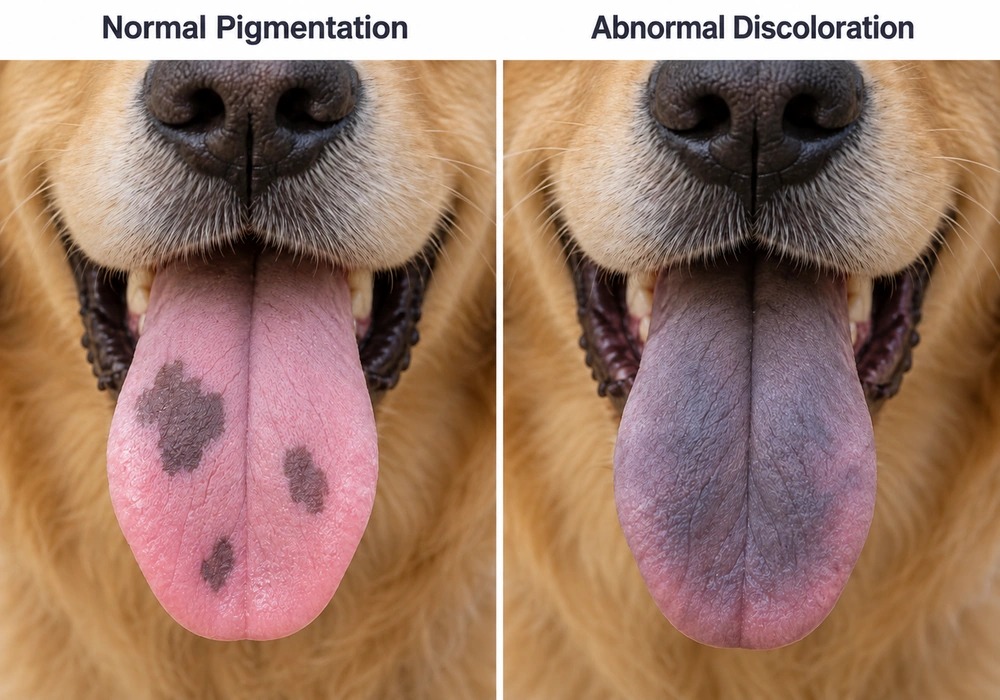
Why Is My Dog’s Tongue Grey?
Canine oral health and emergency triage Why Is My Dog's Tongue Grey? A grey tongue in dogs does not always mean the same thing. Some dogs are born with dark
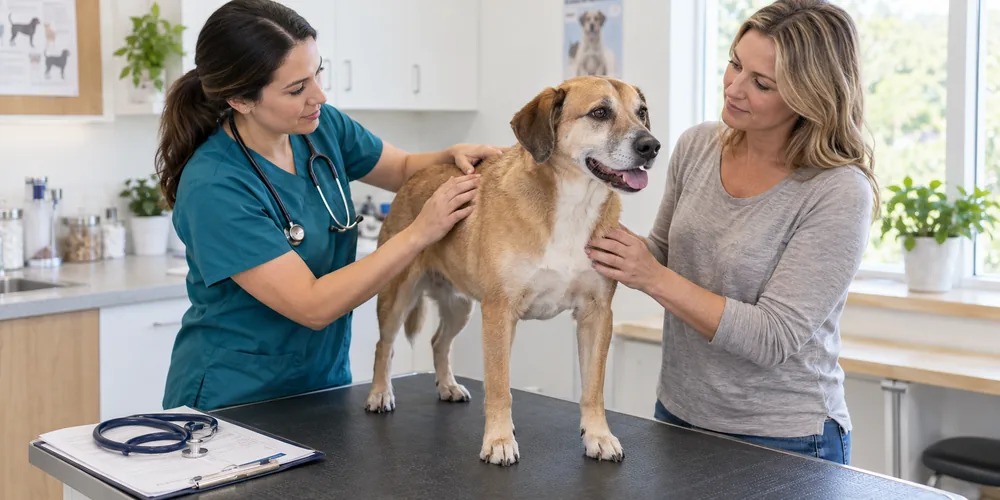
How to Identify Canine Hormone Imbalance Symptoms
Canine endocrine health How to Identify Canine Hormone Imbalance Symptoms Hormones influence a dog's metabolism, appetite, thirst, skin, coat, muscles, stress response, blood sugar, and reproductive cycle. Most endocrine disorders