A dog who suddenly drinks more water can make an owner worry quickly. Sometimes the reason is simple, such as heat, exercise, salty food, or a new routine. Other times, increased thirst is one of the first signs that something inside the body needs attention.
This guide explains why is my dog drinking so much water, what counts as a meaningful change, what you can safely check at home, and when it is better to call a veterinarian instead of waiting.
What Counts as Too Much Water for a Dog?
There is no single perfect number for every dog. Size, food type, weather, activity level, medications, and health conditions all affect water intake. A dog eating dry kibble may drink more than a dog eating wet food. A dog who played outside on a warm day may also drink more for a short time.
Still, a useful owner rule is this: a sudden change matters more than one isolated number. If your dog is filling the bowl faster than usual, asking for water at night, urinating more, or having accidents indoors, the pattern deserves attention.
| Drinking Pattern | What It May Mean | What To Do |
| More water after heat or exercise | Often temporary | Offer water and observe |
| More water for 24 to 48 hours | Worth tracking carefully | Measure intake and watch urine changes |
| More drinking plus more peeing | Can point to a medical issue | Call your vet |
| Thirst plus weakness, vomiting, weight loss, or accidents | Higher concern | Arrange veterinary care soon |
Start With a Simple 24-Hour Water Log
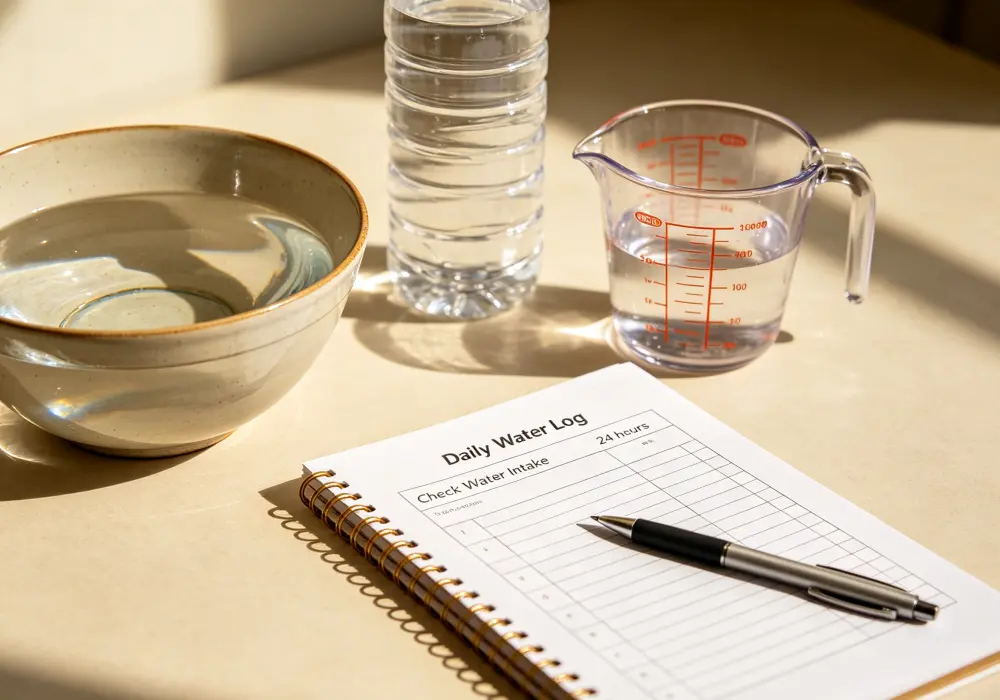
Before guessing the cause, try to measure what is actually happening. Fill the bowl with a known amount of water in the morning. At the same time the next day, measure what is left. If you have more than one dog, separate bowls are more helpful.
Also write down anything that changed recently: hotter weather, more exercise, a new food, treats, medications, stress, travel, vomiting, diarrhea, urinary accidents, or a change in appetite.
Common Reasons Dogs Drink More Water
Some causes are not dangerous by themselves. Others need testing. The goal is not to diagnose your dog at home, but to decide whether this looks like normal thirst or a pattern that deserves a vet visit.
Heat, Exercise, or Panting
Warm weather and exercise can increase thirst. This should usually settle once your dog cools down and rests. If heavy panting continues, or if your dog seems weak or overheated, compare the situation with this related guide on dog heat stroke symptoms.
Dry Food, Salty Treats, or Diet Changes
Dogs eating dry food often drink more than dogs eating wet food. Salty snacks, new treats, or a diet change can also make a dog thirstier. If the thirst settles after the diet normalizes, it may be less concerning.
Upset Stomach or Fluid Loss
Vomiting or diarrhea can make a dog drink more because the body is trying to replace lost fluid. If stomach signs are present, use this dog upset stomach symptoms checklist to decide whether the pattern is still safe to monitor.
Dehydration Risk
Oddly, a dehydrated dog may drink more but still not recover normally if vomiting, diarrhea, heat exposure, fever, or illness continues. Sticky gums, sunken eyes, low energy, and slow skin return should be taken seriously. You can compare those signs in the dog dehydration symptoms checklist.
Kidney, Liver, Hormone, or Blood Sugar Problems
Medical issues such as kidney disease, diabetes mellitus, Cushing’s disease, liver disease, infection, and some hormone problems can cause increased thirst and urination. These cannot be confirmed by looking at the water bowl alone. They usually require a veterinary exam and lab testing.

Increased Thirst Urgency Comparison
Use this chart as a quick visual guide. Higher bars mean the drinking pattern is less suitable for casual home monitoring and more likely to need veterinary guidance.
Do not use this chart to diagnose your dog. It is a decision aid. When thirst is paired with low energy, vomiting, weight loss, urinary accidents, or unusual behavior, a veterinary exam is safer than guessing.
24-Hour Water Intake Pattern Checker
Dog Water Intake Pattern Checker
This tool does not diagnose disease. It only helps you compare your dog’s rough daily water intake with common owner guidance and decide whether to observe, track, or call your vet.
Enter your dog’s details
Add your dog’s weight and estimated 24-hour water intake to see a rough guidance level.
When Increased Thirst Should Not Be Ignored
Call your veterinarian if increased thirst comes with any of the following signs:
- Urinating much more than usual
- New accidents indoors
- Weight loss despite eating
- Low energy or weakness
- Vomiting or diarrhea
- Poor appetite
- Restlessness at night
- Straining to urinate or passing very little urine
- Sweet-smelling breath, sudden appetite changes, or unusual behavior
If breathing also seems unusual while your dog is resting, compare it with this guide on normal breathing rate for dogs at rest. Multiple small changes together are often more important than one sign by itself.
What To Tell Your Vet
If you call your clinic, be ready with simple details. You do not need a perfect diagnosis. You only need a clear story.
| Detail | Why It Helps |
| How much water your dog drinks in 24 hours | Helps compare the pattern with body weight |
| Whether urination also increased | Important clue for kidney, hormone, and blood sugar issues |
| Food, treats, and medication changes | Some changes can explain temporary thirst |
| Energy, appetite, vomiting, diarrhea, or weight loss | Shows whether thirst is part of a bigger illness pattern |
Safe Home Steps While You Watch the Pattern
Do not restrict water unless your veterinarian specifically tells you to. If a dog is truly thirsty because of heat, dehydration, medication, or illness, withholding water can make the situation worse.
Instead, keep fresh water available, measure intake for a day, watch urine habits, and note whether your dog is otherwise acting normal. If the pattern continues or gets stronger, treat that as useful information for your vet rather than something to solve by guessing.
Related Guides for Similar Signs
Increased thirst can overlap with several other dog health patterns. If your dog is also losing fluid, vomiting, acting weak, panting heavily, or showing stomach upset signs, these related guides can help you compare what you are seeing before you guess from one symptom.
Dog Dehydration Symptoms Checklist
Use this if thirst comes with sticky gums, slow skin return, sunken eyes, vomiting, diarrhea, or low energy.
Dog Upset Stomach Symptoms Checklist
Use this if increased drinking appears alongside vomiting, diarrhea, appetite loss, belly discomfort, or repeated retching.
Dog Heat Stroke Symptoms
Use this if thirst follows hot weather, heavy panting, weakness, feverish behavior, collapse, or possible heat exposure.
Veterinary References Used
The owner guidance in this article was reviewed against common veterinary education resources on increased thirst, urination changes, dehydration, diabetes, kidney disease, and endocrine disorders. Useful starting points include veterinary hospital guidance from VCA, Merck Veterinary Manual, Cornell Richard P. Riney Canine Health Center, and PetMD.
If your dog is drinking much more than usual and the pattern does not clearly match heat, exercise, or a short-term diet change, the safest next step is not to keep searching for one perfect explanation. Measure the water, watch the urine pattern, and call your veterinarian with the details.
Related Articles
What Are Common Dog Behavior Changes with Age
Canine behavior and healthy aging Common Dog Behavior Changes with Age: What Is Normal and What Is Not? Dogs change throughout life, but age alone does not explain every new

Why Does My Dog Follow Me Everywhere?
DOG BEHAVIOR GUIDEIf you keep wondering, "Why does my dog follow me everywhere?", the answer is often quite ordinary: you are the safest and most rewarding part of your dog's
Hormonal Behavior in Dogs: Causes, Signs, and What to Do
Canine behavior and health guide Hormonal Behavior in Dogs: Causes, Signs, and What to Do Hormones can influence marking, roaming, mounting, nesting, appetite, sleep, and emotional responses. They are only