
A dog licking one paw once or twice is not unusual. Dogs groom, taste, scratch, and clean themselves in small moments throughout the day. But when the licking becomes focused, repeated, or tied to redness, odor, limping, swelling, or a change in behavior, it deserves a closer look.
If you are asking why is my dog licking his paws, start by checking the pattern rather than guessing from one symptom. A paw problem can come from allergies, moisture, a small injury, a nail issue, a foreign object, pain, boredom, or a skin infection. The goal is not to diagnose your dog at home. The goal is to decide what to check first and when it is safer to call your veterinarian.
Owner safety note: If your dog is limping, the paw is swollen, bleeding, painful, has discharge or a strong odor, or your dog will not let you touch it, contact a veterinarian instead of waiting it out.
Quick Answer
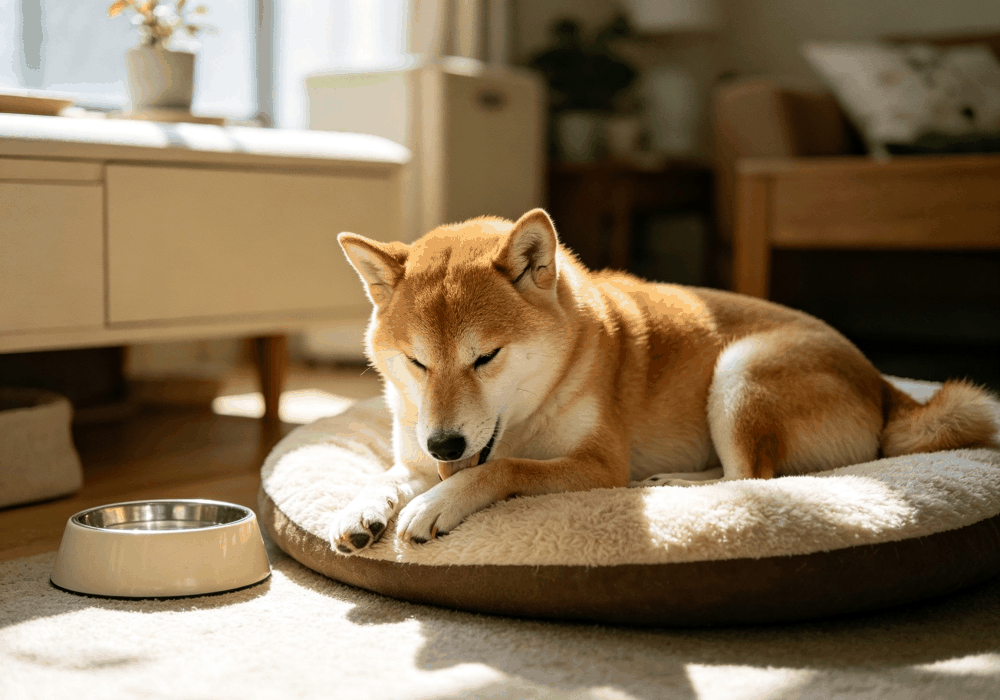
Your dog may be licking his paws because something is irritating the skin, stuck between the toes, hurting inside the paw, or driving repeated licking through allergy, infection, stress, or habit. Occasional licking after a walk may only mean normal grooming. Repeated licking of the same paw is more suspicious.
The first things to check are the spaces between the toes, paw pads, nails, redness, swelling, odor, moisture, brown saliva staining, and whether your dog is walking normally. If the licking is paired with pain, limping, discharge, bleeding, or a strong smell, it should be treated as more than simple grooming.
What To Check First
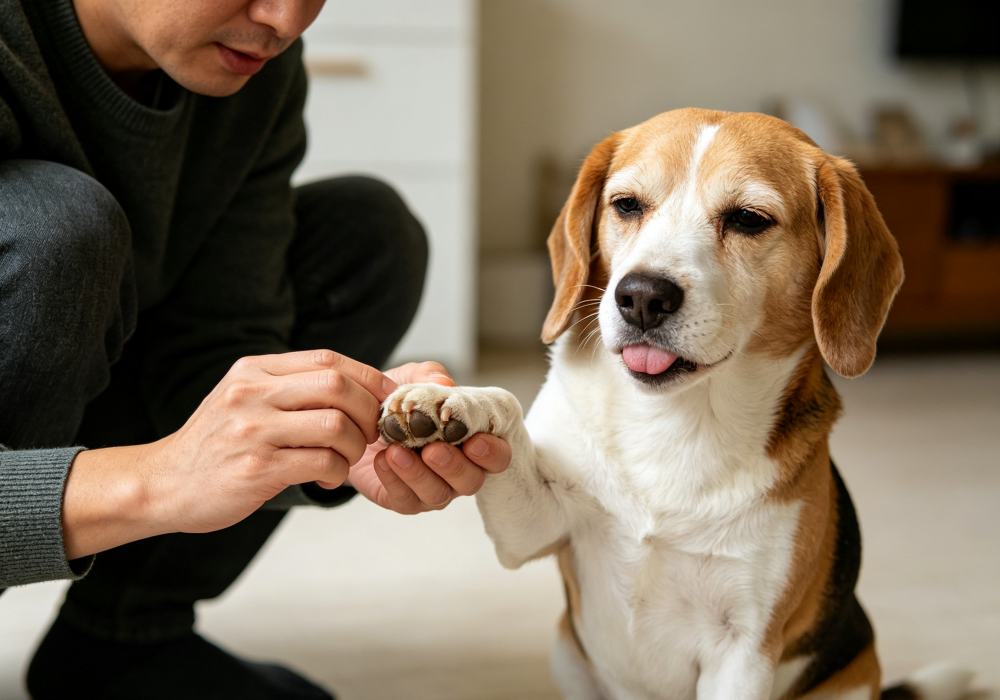
Before you search for a complicated cause, look at the paw in good light. Compare the left and right paws. Many paw problems become easier to notice when you compare the affected paw with a normal one.
Start with these checks
- Look between the toes for grass seeds, thorns, foxtails, burrs, small stones, or dried mud.
- Check the paw pads for cracks, cuts, burns, swelling, or peeling skin.
- Look around each nail for redness, bleeding, a broken nail, or tenderness.
- Smell the paw. A strong yeasty or sour odor can point to irritation or infection.
- Notice whether your dog licks one paw only or several paws.
- Watch your dog walk. Limping changes the urgency.
If your dog recently walked through grass, weeds, beach sand, snow melt, hot pavement, or muddy areas, rinse the paw gently and dry it well. Moisture trapped between the toes can keep the licking cycle going.
If you are not sure whether the licking is part of normal grooming or a possible health issue, it may help to compare the paw problem with broader signs of a healthy dog, including energy, appetite, movement, skin condition, and daily behavior.
Paw Licking Pattern Guide
Use this guide to slow the moment down. The pattern of licking often matters more than one single lick. Check when it happens, what the paw looks like, and whether your dog is walking normally.
Brief licking after a walk
What it may suggest: Normal grooming, mild dirt, grass irritation, or a small amount of moisture between the toes.
What to check first: Rinse and dry the paws, look between the toes, and watch whether the licking stops after the paw is clean.
Licking the same paw again and again
What it may suggest: A thorn, foxtail, small cut, cracked pad, insect sting, or sore nail.
What to check first: Compare both paws, inspect the pads and nail beds, and call your vet if your dog keeps returning to one spot.
Redness or brown saliva staining
What it may suggest: Ongoing licking, allergies, yeast overgrowth, or irritation from the environment.
What to check first: Look for odor, damp skin, swelling, or greasy debris. A recurring pattern usually needs a veterinary exam.
Licking with limping or pain
What it may suggest: Injury, joint pain, nail trauma, paw pad damage, or a foreign object stuck in the paw.
What to check first: Do not keep testing the leg. Limit activity and contact your vet, especially if your dog avoids putting weight on the paw.
Swelling, discharge, odor, or bleeding
What it may suggest: Infection, a deeper wound, an embedded object, or inflammation that is no longer safe to monitor casually.
What to check first: Keep the paw clean and dry, prevent more licking if possible, and arrange veterinary care soon.
How To Narrow Down the Cause
You do not need to solve the whole problem in one minute. Start by asking a few practical questions. Did the licking begin after a walk? Is it one paw or all four? Is the skin red, wet, smelly, or stained? Is your dog limping? Did anything change recently, such as food, weather, bedding, cleaning products, yard treatment, or walking route?
One paw often points more toward a local problem, such as a thorn, foxtail, cut, nail injury, or sore joint. Several paws may point more toward allergies, moisture, environmental irritation, or a wider skin issue. That difference is useful when you explain the problem to your veterinarian.
Common Reasons Dogs Lick Their Paws
Allergies
Allergies are one of the most common reasons dogs lick their paws. The trigger may be environmental, such as pollen, grass, dust mites, or mold. Some dogs also react to ingredients in food, although food allergy is not the only explanation for itchy paws.
Allergy-related paw licking often affects more than one paw. You may also notice face rubbing, ear problems, red skin, or licking that becomes worse during certain seasons.
If your dog also has ear redness, odor, or head shaking, this may overlap with ear irritation. You may find this related guide useful: dog ear infection symptoms checklist.
Moisture Between the Toes
Paws can stay damp after bathing, swimming, rainy walks, snow, or licking itself. Moisture softens the skin and can make irritation worse. Long-haired paws may trap more dampness between the toes.
Drying the paws well after cleaning is often more important than owners expect. If the paw stays wet, the licking may continue even after the original irritant is gone.
Foreign Objects
Grass awns, foxtails, thorns, splinters, burrs, and small stones can lodge between the toes or under the paw pad. A dog may suddenly focus on one paw, chew at it, or stop during a walk.
Do not dig deeply into the paw if you cannot see the object clearly. If there is swelling, drainage, or your dog reacts with pain, a vet visit is safer.
Small Cuts or Paw Pad Damage
Hot pavement, rough ground, ice, salt, gravel, or sharp outdoor surfaces can irritate paw pads. A small cut may not bleed much, but it can still make a dog lick repeatedly.
Check for cracked pads, peeling areas, redness, and tenderness. If the paw pad looks open, raw, or painful, limit walking and call your veterinarian.
Nail Problems
A broken nail, overgrown nail, torn dewclaw, or inflamed nail bed can make a dog lick one paw again and again. Nail pain may also cause limping or reluctance to walk on hard floors.
If a nail is split, bleeding, loose, or painful, avoid pulling on it. Nail injuries can hurt more than they look.
Yeast or Bacterial Infection
Infections often appear after the skin barrier has already been irritated. Repeated licking, allergies, moisture, and small wounds can all create a setting where infection becomes more likely.
Signs may include odor, redness, greasy debris, swelling, discharge, dark staining, or discomfort when you touch the paw. This is a good point to involve your vet rather than trying random home treatments.
Pain Away From the Paw
Sometimes a dog licks the paw because the leg, joint, shoulder, hip, or back hurts. Older dogs may lick because of arthritis or nerve discomfort. In those cases, the paw may look fairly normal, but the dog may still limp, move stiffly, or avoid stairs.
Stress, Boredom, or Habit
Some dogs lick when they are anxious, bored, under-exercised, or dealing with a routine change. This does not mean the licking is harmless. Repeated licking can damage the skin and create a sore area.
VCA describes lick granulomas as self-trauma that can become difficult to break once the cycle is established. That is why it is better to check the physical paw first, then think about behavior if the paw looks healthy.
Paw Licking Urgency Scale
This visual guide is not a diagnosis. It helps you decide whether the situation is likely safe to watch briefly or whether you should contact a veterinarian sooner.
Occasional grooming only
Redness, staining, or mild irritation
Repeated licking of one paw
Limping, swelling, bleeding, discharge, or strong odor
Dog Paw Licking Urgency Guide
Watch at home briefly
Your dog is comfortable, walking normally, and the paw looks clean with no swelling, odor, discharge, bleeding, or pain. Rinse the paw, dry it well, and watch whether the licking fades.
Call your regular vet
The licking keeps returning, the paw is red or stained, there is a mild odor, or your dog focuses on the same paw for more than a short period. This is especially important if the problem has happened before.
Seek care sooner
Your dog is limping, crying, pulling the paw away, bleeding, swollen, has discharge, has a strong smell, or you suspect a foxtail, thorn, deep cut, burn, or broken nail.
What You Can Do Safely At Home
If the signs are mild and your dog is walking normally, you can start with simple care. Keep it gentle. The goal is to remove surface irritants and prevent the paw from staying damp.
- Rinse the paw with clean lukewarm water after outdoor exposure.
- Dry carefully between the toes.
- Trim long hair around the paw only if you can do it safely.
- Prevent more licking if the skin is getting irritated.
- Keep walks shorter until the paw looks normal again.
- Avoid using human creams, essential oils, alcohol, peroxide, or random medicated products without veterinary guidance.
If your dog is licking because of a possible food or environmental trigger, it can help to review the wider pattern. For diet-related questions, see this guide on how to read dog food ingredient labels.
Mistakes To Avoid
The biggest mistake is treating every paw-licking case like an allergy before checking the paw itself. A tiny thorn, foxtail, cracked pad, or broken nail can make a dog lick intensely. If that physical trigger stays in place, sprays or diet changes will not solve the problem.
- Do not apply human creams or medicated ointments without veterinary guidance.
- Do not use essential oils on the paw.
- Do not wrap the paw tightly unless your vet tells you to.
- Do not keep forcing the paw open if your dog reacts with pain.
- Do not assume brown staining is only cosmetic if the licking is still happening.
When To Call a Vet
Call a veterinarian if the licking is intense, repeated, painful, or does not improve after basic cleaning and drying. Paw problems can look small on the surface while a deeper object, nail injury, infection, or joint pain is driving the behavior.
Call sooner if you see: limping, swelling, bleeding, pus, strong odor, a broken nail, a visible foreign object, sudden pain, licking that will not stop, or your dog refusing to put weight on the paw.
If your dog has other symptoms, the paw may not be the only issue. Vomiting, diarrhea, appetite loss, low energy, or dehydration signs should change how quickly you act. You can compare related owner guides here: dog upset stomach symptoms checklist and dog dehydration symptoms checklist.
How To Prevent Paw Licking From Becoming a Cycle
Once a dog starts licking, the skin can become damp and irritated. That irritation can make the dog lick more, which makes the skin worse. Breaking the cycle early is easier than waiting until the paw becomes raw.
- Dry paws after rain, bathing, swimming, or snow.
- Check paws after walks through grass, weeds, or trails.
- Use safer walking times when pavement is hot.
- Keep nails at a comfortable length.
- Watch for seasonal patterns if allergies are suspected.
- Ask your vet about recurring redness, odor, staining, or ear problems.
For dogs that often collect dirt, moisture, grass, or debris around the feet, regular coat and paw care can also reduce irritation. This broader guide on dog grooming tips for pet owners may help with routine prevention.
Related Guides
Paw licking often overlaps with other owner concerns. These related guides may help you compare symptoms without jumping to one explanation too quickly.
Ear redness, odor, or head shaking
Some dogs with allergies show both paw licking and ear irritation. Review the dog ear infection symptoms checklist if ear signs appear too.
Eye redness or discharge
If your dog is also rubbing the face or showing eye changes, compare the signs with this dog eye infection symptoms checklist.
Food and skin patterns
If you are reviewing diet as part of the bigger picture, start with how to read dog food ingredient labels rather than changing food at random.
A Few Common Questions
Why is my dog licking his paws at night?
Night licking may happen because the house is quiet and your dog has fewer distractions. It can also happen when itching, allergies, soreness, or habit becomes more noticeable during rest. Check the paw itself first before assuming it is only behavioral.
Can paw licking mean allergies?
Yes, allergies are a common reason dogs lick their paws, especially when more than one paw is affected or the licking follows a seasonal pattern. Red skin, ear irritation, face rubbing, and recurring infections can make allergies more likely.
When is paw licking urgent?
Paw licking becomes more urgent when it comes with limping, swelling, bleeding, discharge, strong odor, severe pain, a broken nail, or a suspected object stuck in the paw. These signs are not just normal grooming.
Sources Used
- UC Davis Veterinary Medicine: Foxtails
- VCA Hospitals: Lick Granuloma in Dogs
- VCA Hospitals: Dog Paw Injuries and How to Help
- American Kennel Club: Why Is My Dog’s Fur Changing Color?
- PDSA: Saliva Staining and Overgrooming in Dogs
A dog licking his paws can be simple, but it can also be the first sign of a problem that needs attention. Start with the paw itself. Look between the toes, check the pads and nails, notice odor or moisture, and compare both sides. If the paw looks normal and your dog is comfortable, clean and dry it, then watch briefly.
If the licking keeps returning, focuses on one paw, or comes with limping, redness, swelling, discharge, odor, bleeding, or pain, it is time to call your veterinarian. A small paw problem is usually easier to handle before licking turns it into a bigger skin issue.
Related Articles
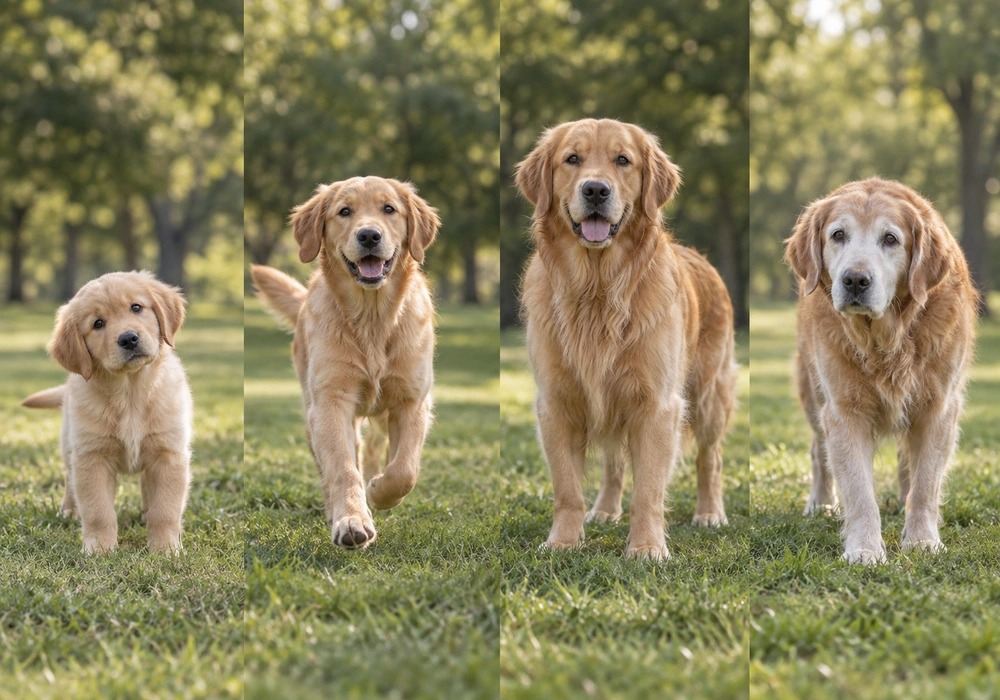
What Are Common Dog Behavior Changes with Age
Canine behavior and healthy aging Common Dog Behavior Changes with Age: What Is Normal and What Is Not? Dogs change throughout life, but age alone does not explain every new
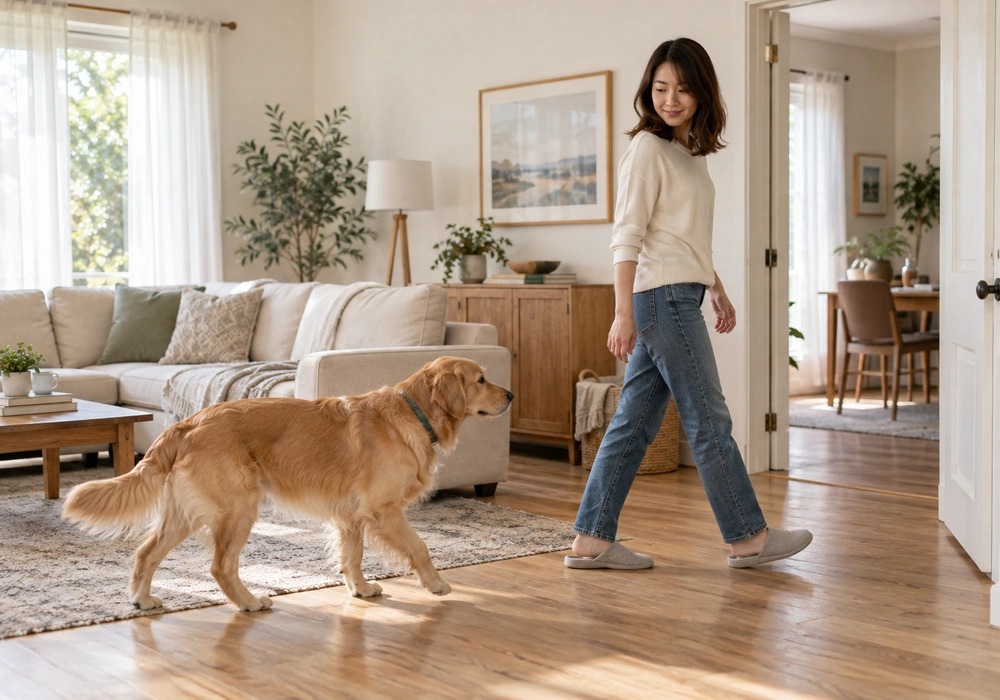
Why Does My Dog Follow Me Everywhere?
DOG BEHAVIOR GUIDEIf you keep wondering, "Why does my dog follow me everywhere?", the answer is often quite ordinary: you are the safest and most rewarding part of your dog's
Hormonal Behavior in Dogs: Causes, Signs, and What to Do
Canine behavior and health guide Hormonal Behavior in Dogs: Causes, Signs, and What to Do Hormones can influence marking, roaming, mounting, nesting, appetite, sleep, and emotional responses. They are only