
When a dog is asleep or lying quietly, breathing should look easy and steady. The chest rises, falls, and settles into a rhythm that is usually easy to count. For many dogs, a normal breathing rate for dogs at rest is about 15 to 30 breaths per minute.
That number is useful, but it is not the whole story. A dog who just played, climbed stairs, barked at the door, rode in a car, or got warm in the sun may breathe faster for a while. The reading matters most when your dog is calm, asleep, or nearly asleep.
Use this guide as an owner monitoring tool, not as a diagnosis. If your dog is struggling to breathe, has pale or blue gums, collapses, cannot settle, or seems very weak, contact a veterinarian or emergency clinic now.

Normal dog breathing rate at rest
The simple range to remember is 15 to 30 breaths per minute. One breath means the chest rises and falls once. The most reliable time to count is when your dog is asleep or resting quietly, not while panting.
Some healthy dogs may occasionally fall a little outside this range, especially if they are dreaming, warm, anxious, excited, or recovering from activity. What matters is the pattern. A repeated high number at true rest deserves more attention than one odd reading after movement or stress.
| Resting breathing rate | What it may mean | What to do |
| 15-30 breaths per minute | Common resting range for many calm dogs. | Record it as a normal baseline. |
| 31-35 breaths per minute | Slightly above the usual range. Context matters. | Repeat when your dog is fully settled. |
| 36-40 breaths per minute | More concerning if repeated during sleep or quiet rest. | Call your veterinarian for advice. |
| Over 40 breaths per minute | Not expected for a truly resting dog, especially with other symptoms. | Seek veterinary guidance promptly. |
How to measure your dog’s resting breathing rate
Wait until your dog is asleep or lying calmly. Stand or sit nearby without touching the chest, because petting, talking, or moving close can change the rhythm.
Watch the chest or belly. Count one full rise and fall as one breath. You can count for a full minute, or count for 30 seconds and multiply by 2.
Quick example: If you count 13 breaths in 30 seconds, the estimated breathing rate is 26 breaths per minute. If you count 20 breaths in 30 seconds, the estimated breathing rate is 40 breaths per minute.
Resting Breathing Rate Quick Checker
This quick checker is meant to slow the moment down. It helps you decide whether to keep watching, repeat the count, or call your veterinarian.
| What you counted | Time counted | Estimated rate | Suggested next step |
| 12 breaths | 30 seconds | 24 breaths per minute | Usually watch and record if your dog looks comfortable. |
| 17 breaths | 30 seconds | 34 breaths per minute | Repeat when your dog is fully calm or asleep. |
| 20 breaths | 30 seconds | 40 breaths per minute | Call your vet if this is a true resting reading. |
Call sooner if you also see: labored breathing, open-mouth breathing at rest, pale or blue gums, collapse, severe weakness, repeated coughing, gagging, poor appetite, or a dog who cannot lie down comfortably.
Resting breathing is different from panting
Panting is not the same measurement. Dogs pant after exercise, excitement, heat, anxiety, pain, or stress. A panting dog can breathe much faster than 30 breaths per minute, but that number should not be treated as a resting respiratory rate.
For a useful count, wait until the panting stops and your dog settles. If the panting does not slow down, or if your dog seems weak, distressed, overheated, or unable to rest, the situation deserves attention even before you get a perfect number.
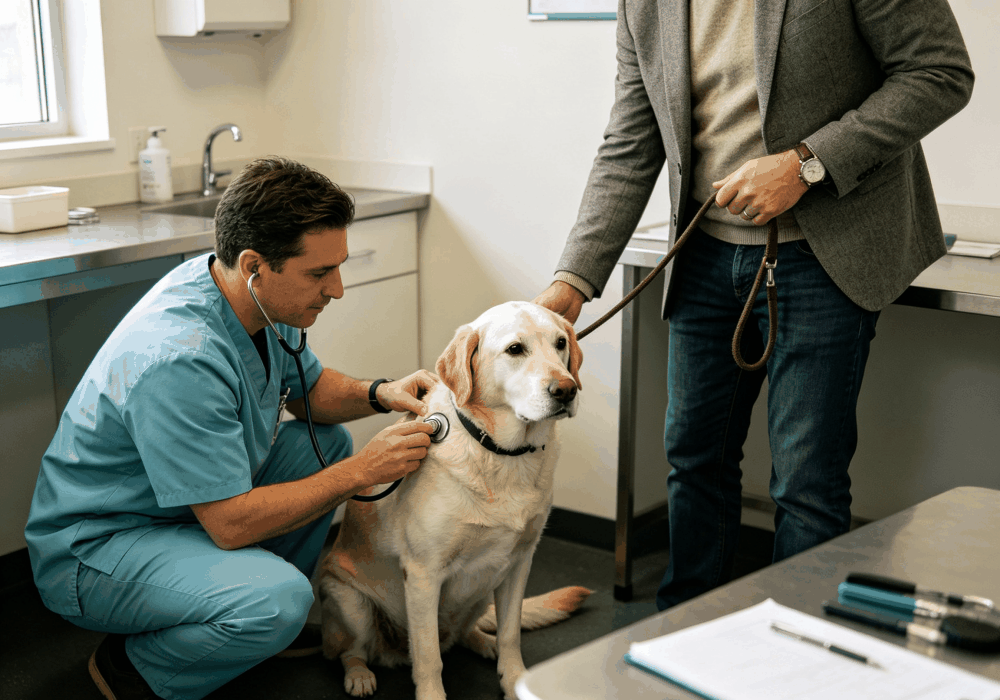
When to Call a Vet About Fast Breathing at Rest
A higher number matters more when it does not fit the situation. A dog breathing 38 times per minute after running around may simply need time to cool down. A dog breathing 38 times per minute while asleep is different.
Heart or lung history
Resting breathing rate is often used at home for dogs with heart disease because a rising number can be an early clue that breathing is becoming less comfortable. If your veterinarian has given you a personal threshold for your dog, follow that number first.
Coughing or gagging
If faster resting breathing appears with coughing, gagging, retching, poor appetite, or unusual tiredness, read the signs together. Your related guide on why dogs cough and gag can help organize those observations before you call your veterinarian.
Heat, stress, or dehydration
Warm weather, heavy panting, vomiting, diarrhea, sticky gums, or low energy can change breathing. If heat exposure is part of the story, compare the signs with the dog heat stroke symptoms guide. If vomiting, diarrhea, dry gums, or low energy are present, the dog dehydration symptoms checklist may also help.
Keep a small breathing log
A short log helps you avoid guessing from memory. You do not need anything complicated. A few notes in your phone are enough.
| Date and time | Context | Breaths per minute | Notes |
| Monday 10:15 pm | Asleep on side, cool room | 24 | No cough, normal appetite |
| Tuesday 10:20 pm | Resting but awake | 31 | Rechecked later at 26 |
Common questions owners ask
Is 40 breaths per minute normal for a dog at rest?
Forty breaths per minute is higher than expected for a true resting reading. If it repeats when your dog is asleep or calm, call your veterinarian. If your dog is working hard to breathe, has pale or blue gums, collapses, or cannot settle, seek urgent care.
Should I count while my dog is panting?
No. Panting after heat, exercise, excitement, or stress does not give you a clean resting breathing rate. Wait until the dog is settled. If panting continues for no clear reason or looks uncomfortable, contact your veterinarian.
Do puppies breathe faster than adult dogs?
Puppies can have slightly different patterns, especially when dreaming or excited. The same rule still helps: count when the puppy is quiet and compare the number with how the puppy looks overall. Weakness, pale gums, repeated coughing, or labored breathing should not be ignored.
The number is a clue, not the whole story
The best use of a resting breathing rate is simple: learn your dog’s normal quiet number, write down changes, and notice when the rate no longer matches the situation. A calm dog breathing 22 times per minute is very different from a sleeping dog breathing 42 times per minute and coughing.
If the number is only slightly high, repeat it after your dog has been still for a while. If the number keeps rising, the breathing looks uncomfortable, or other signs appear, let your veterinarian help you interpret the pattern.
Related dog health guides
- Dog Health Guides
- Why Is My Dog Coughing and Gagging
- Dog Heat Stroke Symptoms
- Dog Dehydration Symptoms Checklist
References used while editing this guide
Related Articles
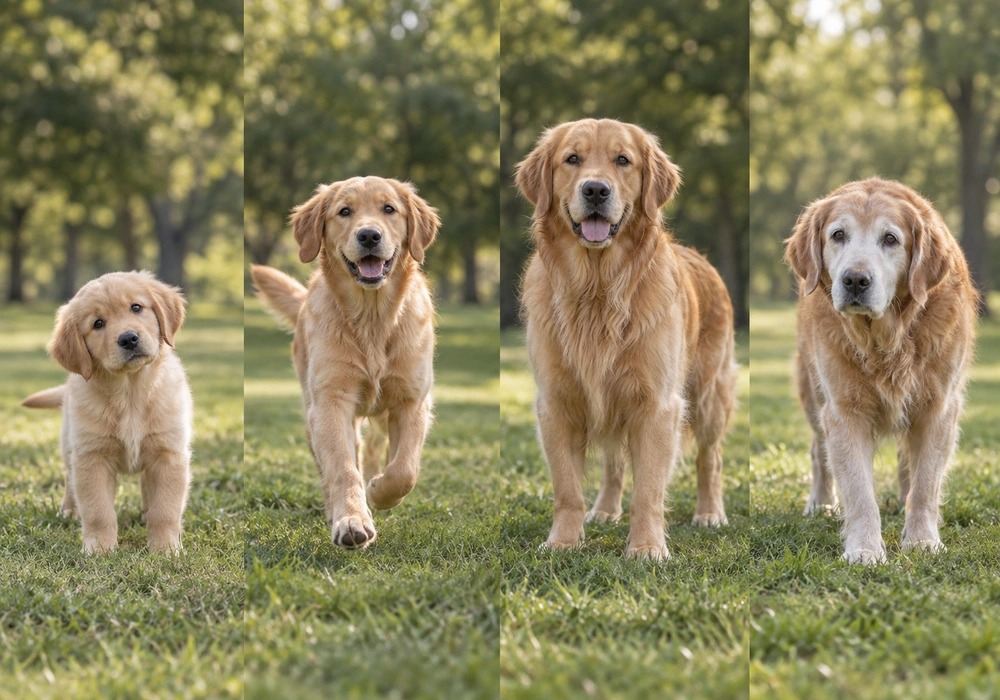
What Are Common Dog Behavior Changes with Age
Canine behavior and healthy aging Common Dog Behavior Changes with Age: What Is Normal and What Is Not? Dogs change throughout life, but age alone does not explain every new

Why Does My Dog Follow Me Everywhere?
DOG BEHAVIOR GUIDEIf you keep wondering, "Why does my dog follow me everywhere?", the answer is often quite ordinary: you are the safest and most rewarding part of your dog's
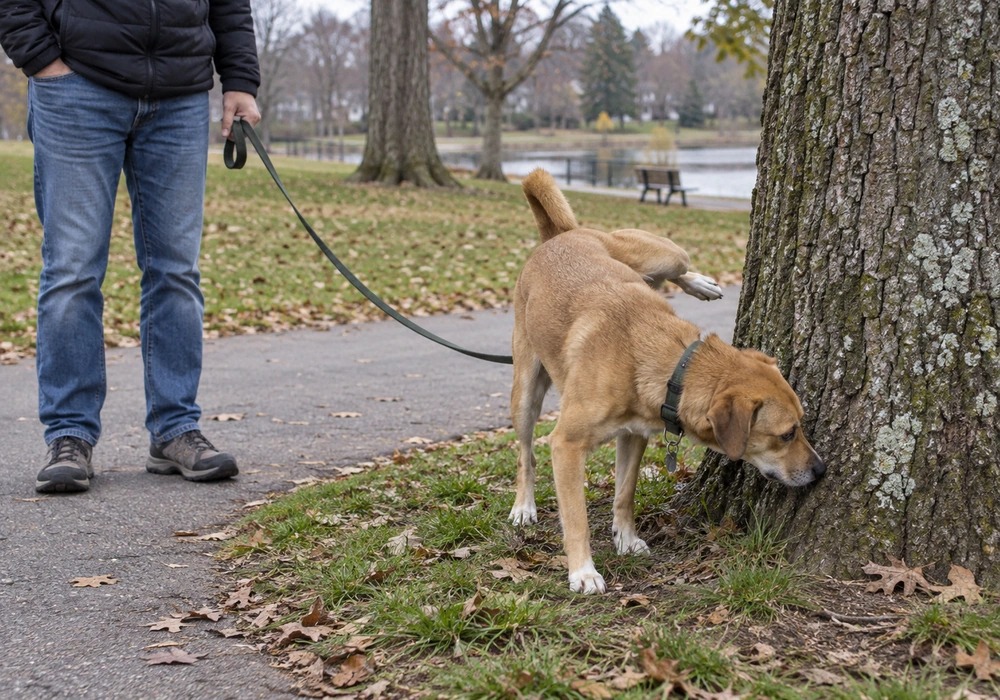
Hormonal Behavior in Dogs: Causes, Signs, and What to Do
Canine behavior and health guide Hormonal Behavior in Dogs: Causes, Signs, and What to Do Hormones can influence marking, roaming, mounting, nesting, appetite, sleep, and emotional responses. They are only