Why Is My Old Dog Suddenly Not Eating?
A skipped meal is not always a crisis. Still, when an older dog suddenly walks away from food, it is worth watching closely. Start with what happens at the bowl: does your dog ignore the food, or try to eat and then give up?
An old dog not eating may be dealing with dental pain, nausea, arthritis, a medication side effect, or an illness such as pancreatitis or kidney disease. A dog that approaches the bowl but drops food, chews on one side, or backs away may be hungry but unable to eat comfortably. Call your veterinarian if the refusal is complete, continues into the next day, or comes with vomiting, weakness, pain, abnormal gums, a swollen abdomen, or refusal to drink.
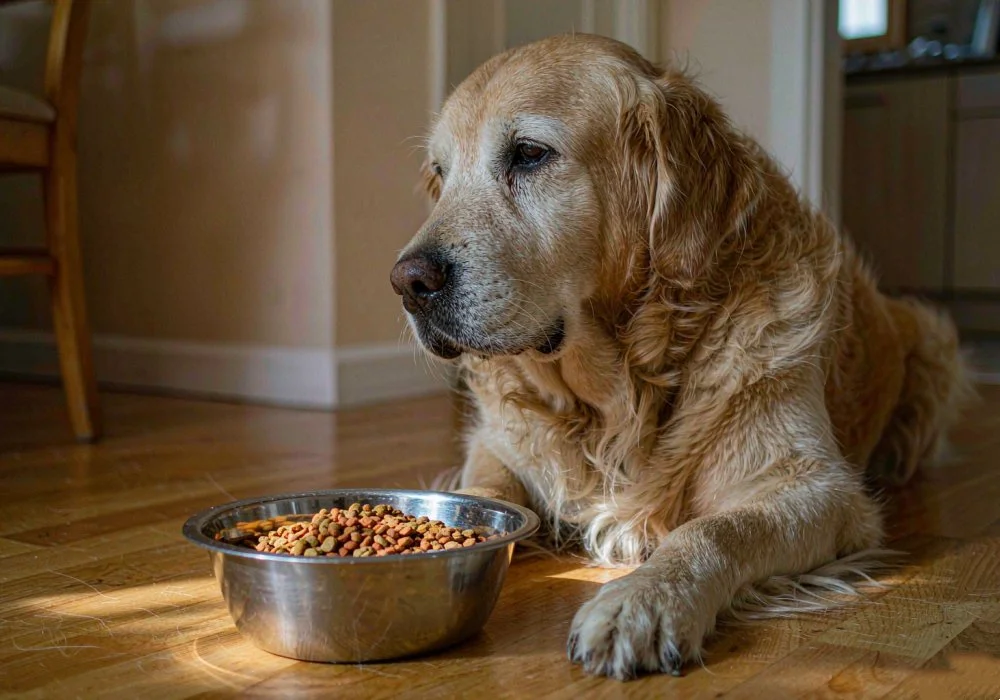
First, identify what “not eating” looks like
Watch one meal from a short distance before bringing out treats or changing the food. The few seconds before your dog walks away can tell you a lot.
No interest in any food
Your dog does not approach regular food, favorite treats, or warmed food. Nausea, fever, pain, or disease elsewhere in the body can take away the desire to eat.
What you see: no food creates interest
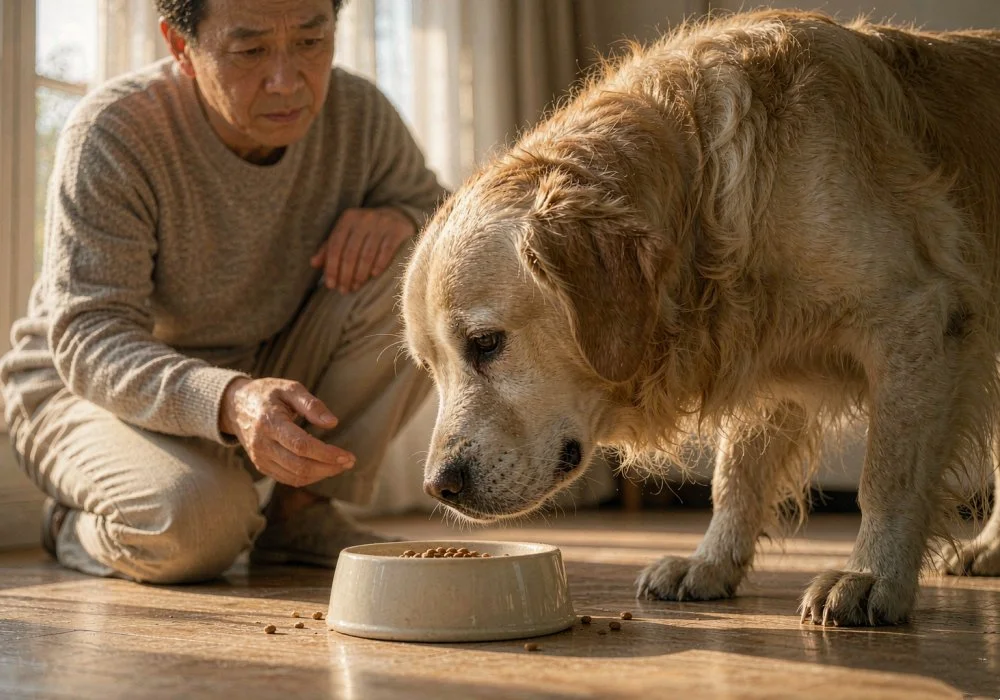
Interested, but unable to eat
Your dog goes to the bowl and tries to pick up food, then drops it, yelps, paws at the mouth, drools, or repeatedly swallows. Look first for a problem involving the teeth, mouth, jaw, or throat.
What you see: hungry, but eating is difficult
Eats less than usual
Your dog finishes only part of a meal or takes much longer than usual. Measure what is left. Several days of smaller meals can add up, especially if your dog is already thin or losing muscle.
What you see: the bowl is never quite finished
Refuses meals but accepts treats
Do not write this off as pickiness. A soft, strong-smelling treat may be easier to chew and more tempting when a dog feels mildly nauseated. It can also become a learned preference.
What you see: texture and smell change the response
Veterinarians call the second pattern pseudo-anorexia: the dog is hungry but cannot comfortably pick up, chew, or swallow food. It often shifts the examination toward the mouth, jaw, and throat. A dog with no interest in food needs a broader search for nausea, pain, or illness.
Why an old dog may suddenly stop eating
There is rarely a single “senior dog appetite problem.” An arthritic dog may dislike bending over the bowl, then a new medication adds nausea. Small problems can overlap.
Dental or mouth pain
Periodontal disease, a loose tooth, a fracture, an abscess, or an oral mass can make every bite hurt. Bad breath alone is common, but bad breath with drooling, facial swelling, blood on a toy, or one-sided chewing deserves attention.
Nausea and digestive disease
Nauseated dogs do not always vomit. Some lick their lips, swallow repeatedly, eat grass, or turn away after sniffing the bowl. A hunched back, a painful belly, diarrhea, vomiting, or the front-down “prayer” posture makes digestive disease or pancreatitis more concerning.
Kidney, liver, or metabolic disease
Kidney disease often changes thirst and urination before owners notice anything else. It can later bring nausea, weight loss, or unusual breath. Liver and biliary disease may cause vomiting, dullness, or yellow gums and eyes. Blood and urine tests are needed to sort these problems out.
Pain and mobility problems
Watch the approach to the bowl. A dog may look hungry, hesitate to lower the head, shift weight from one leg to another, and walk away. Neck, back, shoulder, or joint pain can make the usual feeding position unpleasant, especially on a slippery floor.
Medication effects
If the timing lines up with a new prescription or dose change, write it down. Antibiotics, pain medicines, heart medications, and other drugs can affect appetite. Call the prescribing clinic before skipping or changing a dose.
Reduced smell or food appeal
Dogs rely heavily on smell when deciding whether to eat. Nasal congestion and age-related changes can make cold or dry food seem uninteresting. Slightly warming suitable wet food may be enough to get a curious sniff, though it will not fix nausea or pain.
Cognitive or environmental changes
A dog with cognitive decline may sleep through dinner, wander away midway through a meal, or seem confused about where the bowl is. Changes at home matter too. Noise, visitors, a new pet, or competition around the bowl can be enough to disrupt an older dog’s routine.
Cancer or chronic disease
Cancer, heart disease, and chronic infections can reduce appetite gradually. The change may first show up on the dog’s body: sharper hip bones, a more obvious spine, or hollowing over the head and shoulders. Do not wait for dramatic weight loss.
If vomiting or abdominal pain is present, review the warning signs in our pancreatitis symptoms checklist and upset stomach checklist, but do not use a checklist to delay care when your dog looks unwell.
What to check right now
Write down the details while they are fresh. “Ate half of breakfast, drank twice, then vomited at 2 p.m.” is far more useful to a clinic than “not acting right.”
| Check | What to observe | Why it matters |
|---|---|---|
| Food pattern | Last normal meal, amount eaten, treats accepted, and whether food is dropped | Separates complete appetite loss from reduced intake or difficulty eating |
| Water and urine | Drinking less or much more, accidents, straining, and urine volume | Can point toward dehydration, kidney disease, diabetes, pain, or urinary illness |
| Mouth | Bad breath, drooling, facial swelling, blood, pawing, or one-sided chewing | Supports dental or oral pain; do not force the mouth open if your dog resists |
| Stomach and bowel | Vomiting, diarrhea, black stool, constipation, retching, or a swollen abdomen | Some patterns need urgent or emergency evaluation |
| Gums and breathing | Normal pink versus pale, white, blue, grey, or yellow gums; breathing effort | Abnormal color or difficult breathing can signal an emergency |
| Pain and movement | Hunched posture, trembling, restlessness, reluctance to bend, or trouble rising | Pain can suppress appetite or make the feeding position uncomfortable |
| Weight and muscle | Recent weight change and loss of padding or muscle over ribs, spine, hips, head, and shoulders | Older dogs can lose muscle even when body weight changes only slightly |
If you are unsure about hydration or gum color, compare your observations with our dog dehydration checklist and dog gum color guide. These are observation aids, not substitutes for an examination.
Safe ways to encourage a senior dog to eat
Try the following only if your dog is alert, drinking, swallowing normally, and showing none of the emergency signs above. Think of them as a bridge while you watch closely or arrange veterinary advice, not a treatment for the cause.
- Start small. Serve a fresh spoonful or two instead of filling the bowl. It is less daunting, stays fresh, and makes the amount eaten easy to track.
- Bring out the aroma. Warm wet food gently, stir it well, and check the temperature with your finger. It should be pleasantly warm, never hot.
- Make the usual food easier to eat. Warm water can soften kibble. If you use broth, read every ingredient and avoid onion, garlic, leek, shallot, chive, or other allium powders.
- Fix the awkward setup. Put the bowl on a non-slip mat and choose a height that does not force a deep bend. Feed away from noise and other pets.
- Resist the buffet approach. Opening one rich food after another can upset the stomach and teach some dogs to hold out. Ask the veterinarian before changing food for a dog with kidney disease, pancreatitis, diabetes, food allergies, or a prescribed diet.
For longer-term feeding choices, see our guides to choosing dog food for senior dogs, adult versus senior dog food, and reading dog food ingredient labels. A balanced diet that suits the individual dog matters more than a single “miracle” ingredient.
How long should you wait before calling the veterinarian?
The clock is only part of the decision. A bright dog that skips breakfast but drinks and asks for a walk is different from a frail dog that refuses food and lies apart from the family. Medical history matters too; diabetes, kidney disease, and recent illness lower the threshold for calling.
Any emergency sign, a diabetic dog missing a meal, repeated vomiting, water refusal, marked pain, collapse, abnormal gums, breathing difficulty, or a swollen abdomen.
Complete food refusal in a frail dog or one with kidney, liver, heart, pancreatic, or other chronic disease; new lethargy; mouth pain; or a suspected medication reaction.
If an otherwise bright senior dog misses one meal, observe closely. If complete refusal continues toward 24 hours, two meals are missed, or partial appetite persists with weight loss, contact the veterinary clinic promptly.
Do not let a few accepted treats hide a sharp drop in normal meals. Gradual appetite loss and shrinking muscles are easy to miss when you see your dog every day, but neither should be written off as old age.
What the veterinarian may check
The visit is about finding the cause, not simply making the dog hungry. Nausea, pain, dehydration, and trouble chewing all need different care.
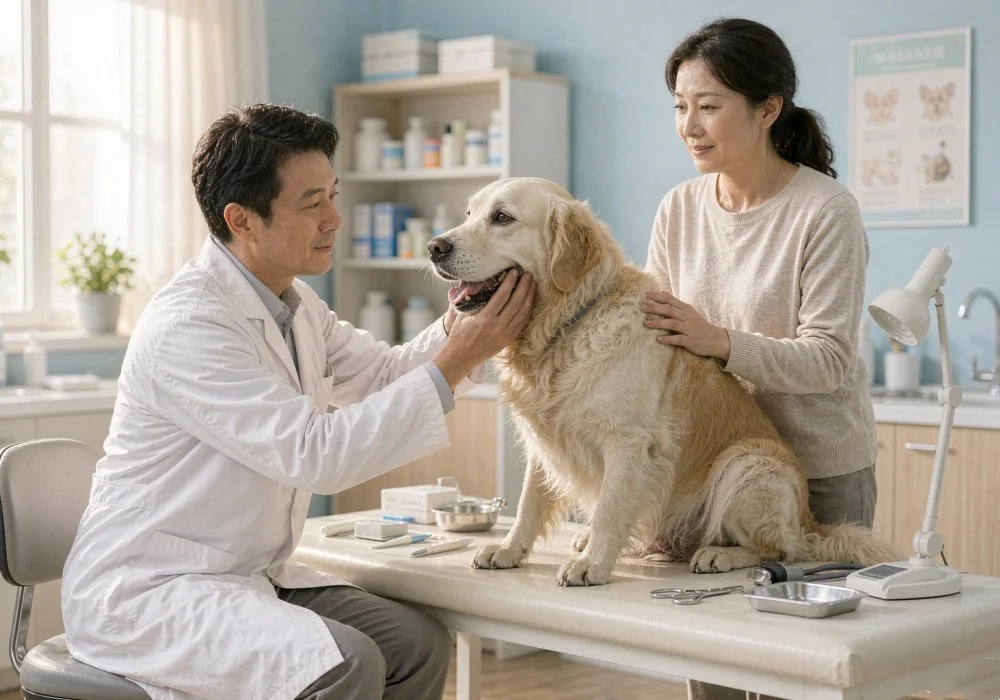
Much of a tooth lies below the gumline, so an awake mouth check can miss important disease. The veterinarian may recommend a sedated examination and dental X-rays. If weight or muscle has already been lost, expect the team to record both and build a feeding plan around the diagnosis instead of simply adding high-calorie food.
Frequently asked questions
Is it normal for old dogs to eat less?
Calorie needs can fall as activity changes, but sudden food refusal is not normal aging. Neither are steady weight loss and shrinking muscles. Dental disease, pain, medication effects, and medical illness are common enough to justify a checkup.
What can I feed an old dog that will not eat?
If your dog is alert and has no emergency signs, warm a small serving of the usual wet food or soften the usual kibble with warm water. Skip fatty table scraps and avoid changing foods every few minutes. Check with the veterinarian before substituting food for a dog on a prescription diet.
Why does my dog eat treats but not meals?
A soft treat may hurt less to chew, and a strong smell can cut through mild nausea or a fading sense of smell. Some dogs also learn that refusing dinner produces a better offer. Illness is still possible, especially if normal intake or weight keeps falling.
Can arthritis make a senior dog stop eating?
Yes. Neck, back, shoulder, or leg pain can make standing and bending at the bowl unpleasant. A non-slip mat and a more comfortable bowl position may help, but continuing pain or poor appetite needs a veterinary examination. Our guide to distinguishing anxiety from pain lists other behaviors to watch.
Should I give my dog an appetite stimulant?
Only when prescribed for your dog. An appetite medicine may help in some cases, but it cannot remove a blockage, repair a painful tooth, or correct dehydration. The veterinarian first needs to consider nausea, pain, and the dog’s other medications.
When is an old dog not eating an emergency?
Go urgently if food refusal comes with collapse, abnormal gum color, difficult breathing, a swollen abdomen or dry retching, repeated vomiting, blood, severe pain, trouble swallowing, seizures, or refusal of water. A diabetic dog that will not eat needs immediate instructions from the veterinary team.
Veterinary references
This guide was informed by veterinary clinical research supplied for this article and by guidance from VCA Animal Hospitals on appetite loss and pseudo-anorexia, the AAHA Nutrition and Weight Management Guidelines, and the WSAVA Global Nutrition Guidelines.
Related Articles
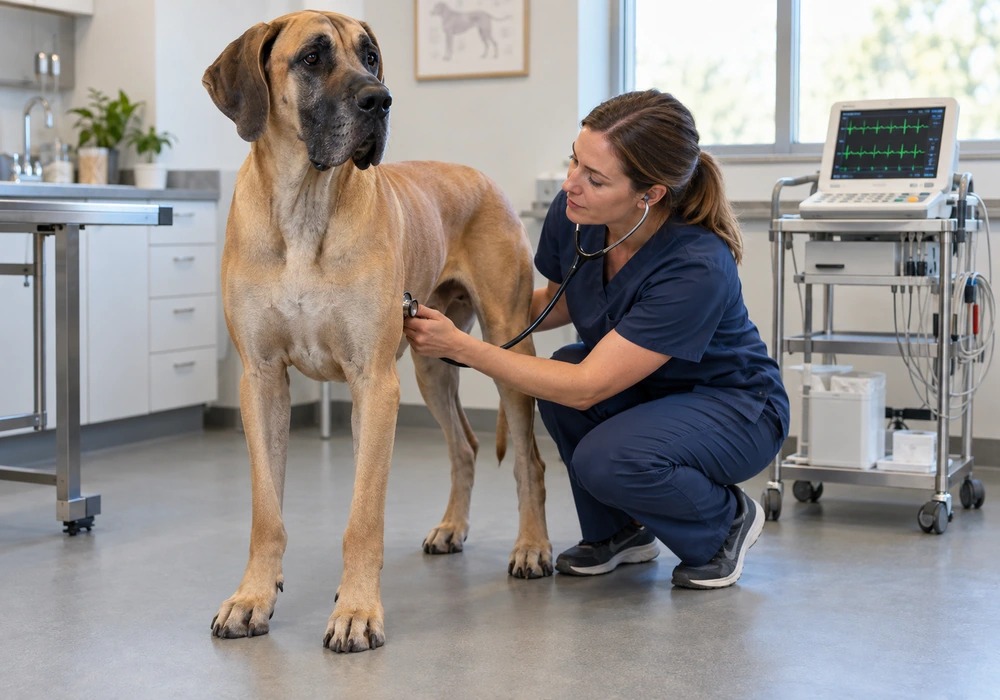
Great Dane Heart Rate: Normal Range and Warning Signs
Great Dane cardiac health Great Dane Heart Rate: Normal Range and Warning Signs Put your fingers on a sleeping Great Dane's pulse and it may feel surprisingly slow. That can
Why Is My Old Dog Suddenly Not Eating
Senior dog appetite guide Why Is My Old Dog Suddenly Not Eating? A skipped meal is not always a crisis. Still, when an older dog suddenly walks away from food,

Why Does My Dog Cough at Night?
Nighttime cough guide Why Does My Dog Cough at Night? A dog may cough at night because the bedroom air is irritating an already sensitive throat. Repeated episodes can also