
What Are the Signs of a Healthy Puppy?
A healthy puppy usually eats with interest, gains weight steadily, has clear eyes and pink, moist gums, passes formed stool, and moves without pain. You should also see a familiar rhythm: play, explore, sleep, repeat.
One reassuring sign is never enough. Pay attention to changes in your puppy’s usual appetite, energy, breathing, stool, and behavior. Puppies can become dehydrated or weak quickly, so sudden changes deserve attention.
A Quick Healthy Puppy Checklist
A healthy puppy usually shows most of the following:
- Eats eagerly and keeps food down
- Gains weight along an appropriate growth curve
- Drinks and urinates normally for their diet, size, and activity
- Has pink, moist gums and fresh-smelling breath
- Produces formed stool without visible blood or persistent mucus
- Has bright, clear eyes without squinting or ongoing discharge
- Has clean ears without strong odor, swelling, or dark debris
- Has clean, flexible skin and an even coat
- Walks, runs, sits, and rises without pain or limping
- Breathes quietly when sleeping or completely relaxed
- Engages with people, littermates, toys, and the environment
- Recovers normally after play and settles into restful sleep
This checklist cannot replace a veterinary examination. Parasites, congenital problems, and early infection may not be obvious at home.
Why Puppy Health Has to Be Judged by Age
A newborn is not a miniature adult dog. Temperature control, reflexes, digestion, glucose regulation, movement, sight, and hearing develop rapidly during the first weeks.
Normal findings for an eight-week-old may not apply to a neonate. Breed size also matters: small puppies have smaller energy reserves, while large breeds have different growth needs.
For a puppy eight weeks or older, establish a personal baseline for eating, sleeping, breathing, play, movement, elimination, and social response. A meaningful change from that pattern is often more useful than one isolated number.
A Good Appetite Without Trouble Eating
A healthy post-weaning puppy usually approaches meals with interest, chews and swallows comfortably, and keeps the food down. Appetite can vary slightly after a busy day, a food change, travel, vaccination, or an exciting new experience, but a repeated refusal to eat is more concerning in a puppy than in many adult dogs.
Dropping food, crying while chewing, pawing at the mouth, excessive drooling, or repeated gagging may indicate oral pain, a foreign object, or nausea. Teething increases chewing but should not cause profound lethargy or complete appetite loss.
Very young and toy-breed puppies have limited glycogen reserves. If they miss meals and become weak, shaky, unusually sleepy, uncoordinated, or cold, contact a veterinarian immediately. Do not force food or give sugar products unless a veterinary professional instructs you, because swallowing may be unsafe in a weak or poorly responsive puppy.
Steady Growth Without Sudden Weight Changes
Healthy growth is a trend, not a race. A puppy should generally gain weight over time while maintaining an appropriate body condition. The ideal rate depends heavily on breed, expected adult size, diet, health status, and developmental stage. Comparing a Chihuahua puppy with a Labrador puppy can be misleading. Even littermates may grow at different rates.
Weigh your puppy regularly on the same scale under similar conditions. Weekly measurements are often useful during early growth, while your veterinarian may recommend a different schedule. Record the results instead of relying on memory. A growth curve makes a plateau or decline easier to spot.
You should usually feel the ribs with gentle pressure and see a waist from above. Large- and giant-breed puppies should not be pushed to grow rapidly; excess calories and unbalanced minerals can stress developing bones and joints.
Failure to gain weight, weight loss, a persistently swollen or pot-bellied abdomen, or poor muscle development belongs on your same-day call list. Possible causes include parasites, inadequate nutrition, digestive disease, congenital problems, and infection.
Playful, Curious, and Able to Settle
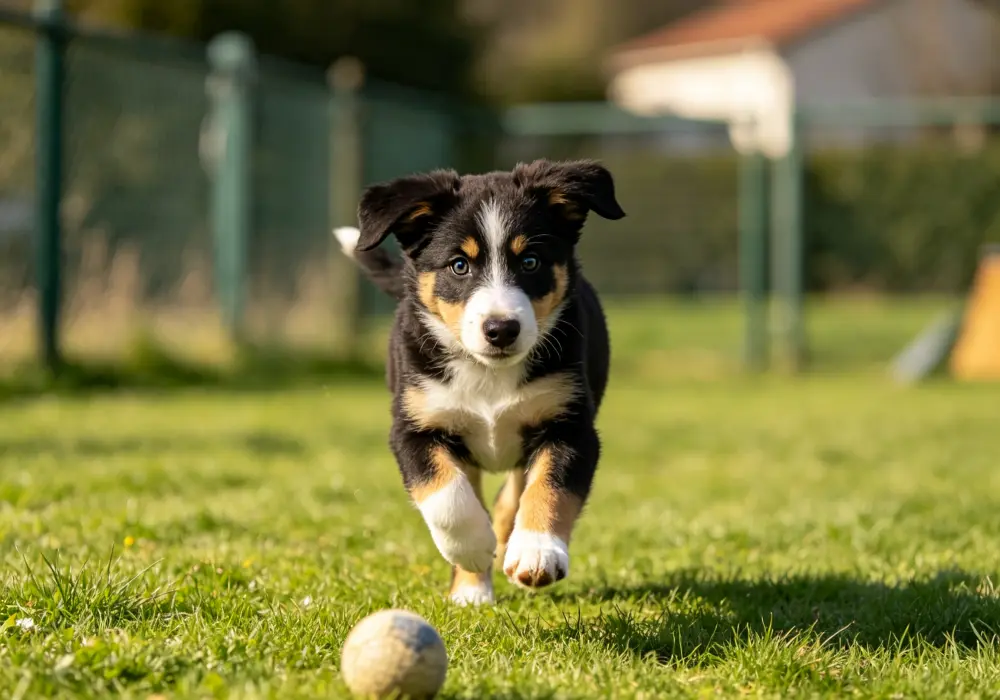
Normal puppy behavior includes curiosity, brief bursts of intense activity, social interaction, chewing, exploration, and plenty of sleep. A puppy may race around one minute and fall asleep soon afterward. That contrast is normal when the puppy wakes readily, eats well, interacts normally, and returns to activity after resting.
Healthy energy does not mean nonstop motion. Puppies need substantial sleep, and overtired puppies may become mouthy, frantic, or unable to settle.
The warning sign is not simply “my puppy sleeps a lot.” Look for a change in responsiveness: reluctance to stand, isolation from people or littermates, weak crying, loss of interest in food or play, confusion, wobbliness, or difficulty waking. These signs are more concerning when combined with vomiting, diarrhea, pale gums, abnormal breathing, or a recent toxin or infectious-disease exposure.
If you are still learning what is normal at each stage, our new puppy care guide explains routines, handling, feeding, and early adjustment in more detail.
Clear Eyes and Clean, Comfortable Ears
Healthy eyes should be clear and comfortable, without intense redness, cloudiness, squinting, or repeated rubbing. A little sleep debris can be normal; persistent tearing, colored discharge, swelling, unequal pupils, or light sensitivity is not.
Seek urgent veterinary care for sudden cloudiness, an eye held closed, trauma, marked swelling, or apparent vision loss. Our dog eye infection symptoms checklist covers observations to record, although only an examination can determine the cause.
Healthy ears are comfortable and free of strong odor. Repeated shaking, scratching, pain, redness, swelling, dark debris, or sour odor may indicate mites, infection, allergy, or a foreign body. Do not medicate a painful ear before examination. See our dog ear infection symptoms checklist for observations to record.
Pink, Moist Gums
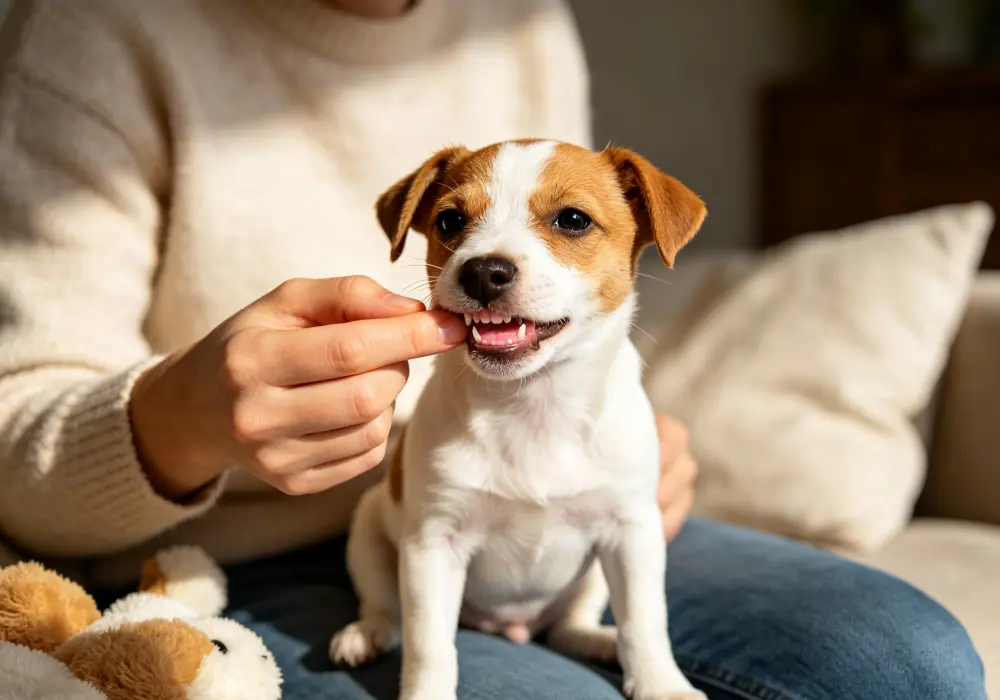
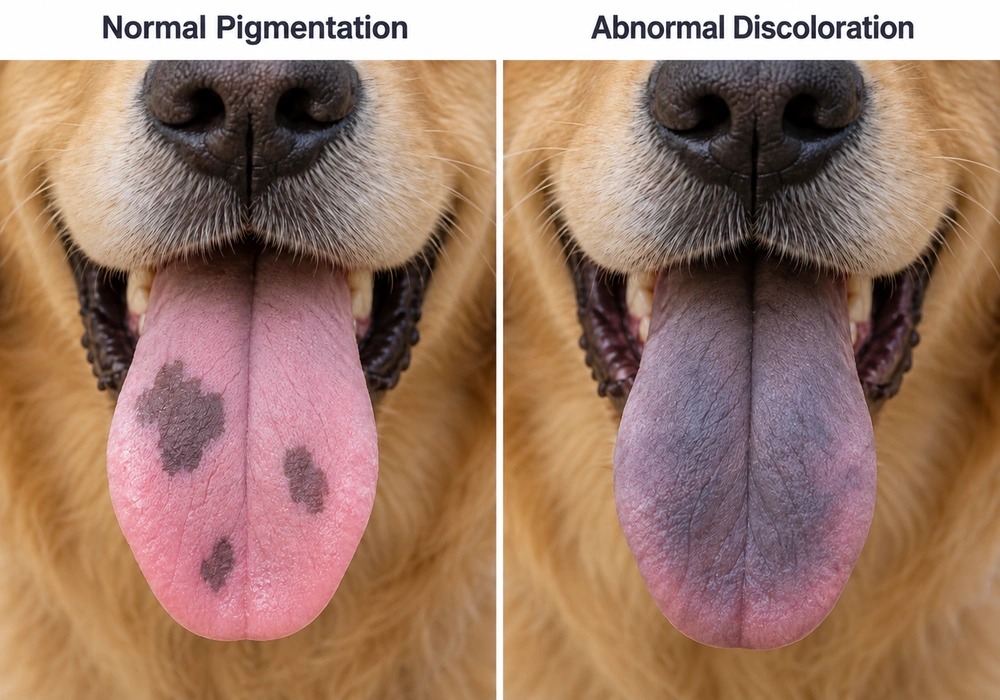
Gum color and moisture provide a useful snapshot of circulation and hydration. In many healthy puppies, the gums are pink and moist. Normal pigmentation can create brown or black patches, so learn what your puppy’s mouth usually looks like in good light.
After gentle pressure makes a non-pigmented gum area briefly pale, color should generally return in about two seconds or less. This capillary refill check is only a screening observation; lighting, stress, and technique affect it.
Pale, white, blue, gray, intensely brick-red, or yellow gums are not normal variations when the color is new or widespread. Blue or gray gums, collapse, breathing difficulty, or severe weakness require emergency care. Pale gums can occur with poor circulation, blood loss, anemia, or other serious conditions. Yellow discoloration can be associated with liver, gallbladder, or red-blood-cell problems. Do not use gum color to choose a home treatment. Use it to explain the urgency when you call a veterinarian.
Good Hydration and Normal Urination
A well-hydrated puppy typically has moist gums, normal energy, and regular urine production. The “skin tent” test is less reliable in very young, thin, wrinkled, or overweight dogs and should never be used alone.
Instead, consider the whole picture: Is the puppy drinking? Are the gums tacky? Is urine becoming unusually dark or infrequent? Are the eyes appearing sunken? Is there vomiting or diarrhea? Has activity dropped? Puppies have less fluid reserve than adults, so gastrointestinal illness can cause dehydration rapidly.
Water needs vary with body size, diet moisture, weather, activity, nursing status, and health. A puppy eating wet food may drink less from the bowl than one eating dry kibble. Sudden excessive drinking, inability to keep water down, or a marked reduction in urination belongs on the same-day call list below. Use our dog dehydration symptoms checklist to organize your observations, but do not delay care while repeatedly testing at home.
Formed Stool and a Comfortable Abdomen
Healthy puppy stool is usually formed, easy to pick up, and free of visible blood. Color and firmness can change somewhat with diet, treats, medication, stress, and feeding schedule. One mildly soft stool in an otherwise bright puppy may not be an emergency, but repeated diarrhea has greater consequences in a young animal.
Watch for frequency, volume, straining, worms, black tarry stool, bright-red blood, heavy mucus, vomiting, abdominal swelling, or pain. A puppy who assumes a “prayer position,” guards the belly, cries when lifted, or cannot get comfortable needs assessment.
Parasites remain common after routine deworming because different organisms require different tests and treatments. Bring a fresh stool sample when your veterinary clinic requests one.
Repeated vomiting or diarrhea, especially with poor intake, can combine dehydration with low blood sugar. Seek prompt care if the puppy becomes quiet, weak, cold, or unable to keep water down. Our dog upset stomach symptoms checklist can help you document timing and associated signs for the veterinary team.
Healthy Skin, Coat, and Body Odor
A healthy puppy’s coat should generally look even and feel appropriate for the breed. The skin should be flexible and free of widespread redness, crusting, sores, greasy buildup, or strong odor. Some puppy coats are naturally soft and fluffy; others are short or wiry. Shine alone is not a reliable health test.
Check around the ears, belly, armpits, groin, paws, and tail base for fleas, ticks, circular hair loss, dandruff, sores, or persistent itching. Nutrition, parasites, infection, allergies, and inherited disorders can all affect the coat. Do not apply human creams, essential oils, insecticides, or leftover medication.
A Smooth, Symmetrical Gait
Healthy puppies can be clumsy while learning to coordinate growing limbs, but they should use all four legs comfortably. Watch the puppy walk and trot on a non-slip surface. The body should move symmetrically without repeated hopping, dragging toes, persistent stiffness, or refusing to bear weight.
After play, a puppy may be tired but should not remain painful or markedly lame. Check paws for cuts, damaged nails, swelling, or tenderness without repeatedly flexing a painful joint.
Persistent limping, joint swelling, pain when rising, weakness in the back legs, or reluctance to play belongs on the same-day call list. Inability to stand, paralysis, major trauma, or severe pain is an emergency. A puppy’s growth plates are still developing, so do not dismiss a continuing limp.
Quiet Resting Breathing and Normal Recovery After Play
Breathing should be assessed when the puppy is asleep or completely calm, not immediately after running, panting, crying, or becoming excited. Watch the chest rise and fall for 30 to 60 seconds; one rise and fall counts as one breath. The effort should look smooth and quiet.
The supplied references use broad resting ranges, often 10 to 30 breaths per minute for older puppies and 15 to 40 for neonates. These are guides, not universal cutoffs; heat, dreams, stress, activity, pain, breed, and body position affect the count.
A useful habit is to count your puppy’s sleeping respiratory rate on several normal days. That gives you a personal baseline. Our guide to the normal breathing rate for dogs at rest explains the counting method and important limitations.
Seek urgent care for open-mouth breathing at rest, blue or gray gums, pronounced abdominal effort, neck extension, noisy struggling breaths, collapse, or a puppy who cannot settle because of breathing difficulty. Persistent coughing, nasal discharge, or a clear increase from the normal resting pattern also warrants veterinary advice.
Normal Puppy Vital Signs by Age
The following figures summarize the supplied pediatric references. They should be interpreted by a veterinarian, especially in newborns. A distressed puppy may have abnormal readings even when a number temporarily falls inside a published range.
| Developmental stage | Heart rate | Resting respiratory rate | Rectal temperature | Key context |
|---|---|---|---|---|
| Week 1 neonate | 200–260 bpm | 15–40/min | 35.0–37.2°C (95.0–99.0°F) | Poor temperature control; cannot shiver effectively |
| Weeks 2-3 | 200–260 bpm | 15–40/min | 36.0–37.8°C (96.8–100.0°F) | Thermoregulation and motor tone are maturing |
| Week 4 transition | 200–240 bpm | 15–40/min | 37.2–38.3°C (99.0–101.0°F) | Walking and weaning begin |
| Older puppy, under 1 year | Often 120–160 bpm | Often 10–30/min | About 37.5–39.2°C (99.5–102.5°F) | Breed size, stress, and activity strongly influence readings |
Do not attempt rectal temperature measurement in a tiny, frightened, injured, or struggling puppy without veterinary instruction. The risk of injury and the stress created by the procedure may outweigh the value of a home reading. If a puppy feels cold and is weak, poorly responsive, or refusing to nurse, contact an emergency veterinarian rather than relying on repeated measurements.
What Healthy Development Looks Like by Age
Birth to Two Weeks
Newborns depend on their mother or an experienced caregiver for warmth, nutrition, and elimination. Healthy neonates nurse, stay close to the litter, show age-appropriate tone, and respond to touch and warmth. Eyes commonly begin opening around days 10 to 14.
Veterinary teams may use a modified APGAR score after birth to assess heart rate, breathing, tone, reflexes, and gum color. It is not a wellness score for an older puppy.
Two to Four Weeks
Hearing, walking, and social responses emerge rapidly. Ear canals open, early teeth erupt, and exploration begins. Failure to progress, weak nursing, persistent crying, isolation, or poor weight gain needs prompt assessment.
Three to Twelve Weeks
This is a major socialization period. Healthy puppies become increasingly curious, playful, and coordinated. Exposure should be positive and appropriate to vaccination status. Persistent withdrawal or a sudden behavior change can also reflect pain or illness.
Three to Six Months and Beyond
Teething intensifies as 28 deciduous teeth are replaced by 42 permanent teeth, often by about six months. Severe odor, heavy bleeding, facial swelling, or inability to eat is not normal. Our dog teeth care guide can help you begin gentle dental handling.
Puppy Hypoglycemia: Why a “Quiet” Puppy Can Be Urgent
Very young and toy-breed puppies have limited energy reserves. Missed meals, chilling, parasites, vomiting, diarrhea, or infection can cause blood sugar to fall quickly.
Warning signs include weakness, trembling, wobbliness, unusual sleepiness, disorientation, collapse, or seizures. These are not specific to hypoglycemia and may signal another emergency.
Call a veterinarian immediately. Do not pour liquid into the mouth of a weak puppy or attempt blood collection unless a veterinarian has trained you and provided a plan.
In newborns, chilling can impair digestion and worsen low blood sugar. A cold neonate who is not nursing needs controlled warming and professional guidance; force-feeding can be dangerous.
When to Call the Vet the Same Day
Contact your veterinarian promptly if you notice:
- A meaningful reduction in appetite or a missed meal in a very young or toy-breed puppy
- Repeated vomiting or diarrhea, even if the puppy is still active
- New lethargy, isolation, weakness, or a marked behavior change
- Failure to gain weight or unexplained weight loss
- Persistent coughing, nasal discharge, or faster-than-usual resting breathing
- Squinting, ongoing eye discharge, head shaking, or painful ears
- Limping, swelling, pain, or reluctance to use a limb
- A pot-bellied abdomen, worms in the stool, or persistent poor stool quality
- Pale gums, tacky gums, reduced urination, or other dehydration clues
- Any concern in a puppy who is not fully vaccinated or has been exposed to sick animals
Puppies can deteriorate faster than adults. The veterinarian will judge urgency from age, vaccination history, severity, and associated signs.
When a Puppy Needs Emergency Care
Go to an emergency veterinary service for:
- Collapse, seizure, unresponsiveness, or inability to stand
- Blue, gray, white, or suddenly very pale gums
- Severe breathing difficulty or open-mouth breathing at rest
- Repeated vomiting with an inability to keep water down
- Profuse or bloody diarrhea with weakness
- A swollen, hard, or very painful abdomen
- Suspected toxin ingestion or a swallowed foreign object
- Major trauma, paralysis, uncontrolled bleeding, or severe pain
- A cold, weak newborn who will not nurse
Call on the way if possible. Bring relevant packaging, photos, vaccination records, and a timeline. Never induce vomiting unless a veterinarian or animal poison service directs you.
Health Checks Your Puppy Still Needs
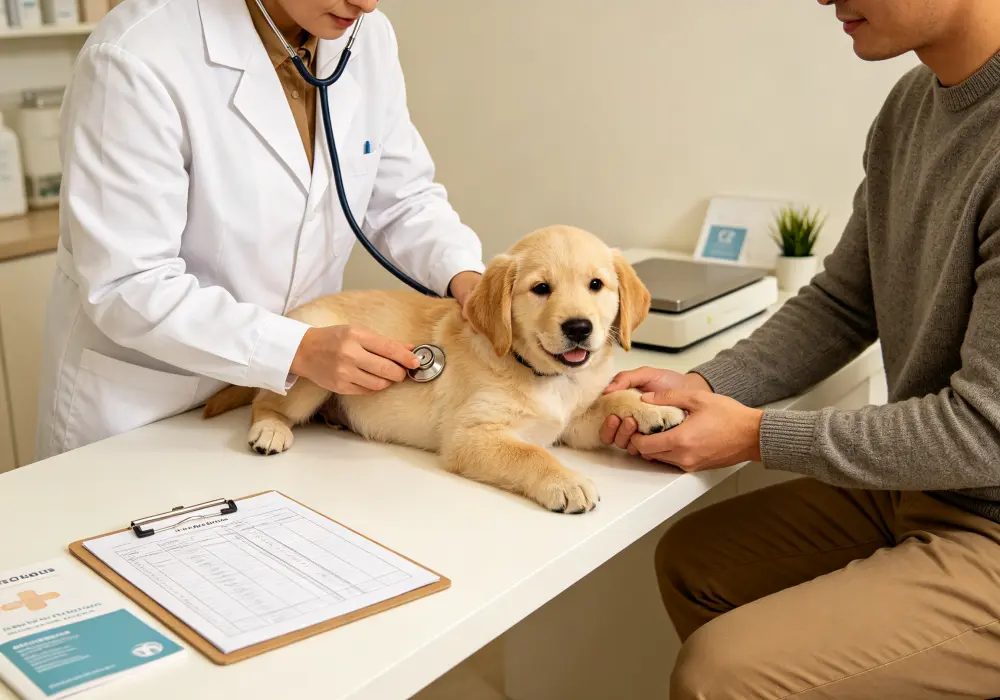
Home observation is useful, but preventive veterinary care finds problems that owners cannot see. Schedule a new-puppy examination soon after adoption, even if the breeder, shelter, or rescue has already arranged care. Our first puppy vet visit guide explains what to bring and what the veterinarian may check.
Your puppy’s preventive plan may include:
- A complete physical examination and baseline weight
- A vaccination schedule based on age and local disease risk
- Fecal testing and appropriately targeted parasite control
- Heartworm, flea, and tick prevention suited to the puppy’s age and weight
- A complete and balanced growth diet appropriate to expected adult size
- Review of body condition and growth rate
- Dental and bite assessment during teething
- Safe socialization and training advice
- Discussion of identification, microchipping, insurance, and emergency planning
Keep a health log with weights, diet changes, medications, vaccines, parasite treatments, and symptoms. Photos or videos of coughing, limping, or abnormal breathing can help when the behavior does not occur in the examination room.
Frequently Asked Questions
How much should a healthy puppy sleep?
Many puppies sleep for much of the day, often in multiple naps. Age, breed, activity, and environment affect the total. The more important questions are whether the puppy wakes normally, eats, interacts, plays, and returns to their usual behavior after rest.
What color should healthy puppy gums be?
They are commonly pink and moist, although normal dark pigmentation may create brown or black areas. Learn your puppy’s normal pattern. New pale, white, blue, gray, brick-red, or yellow discoloration requires veterinary attention, particularly if accompanied by weakness or breathing changes.
Is soft stool normal after bringing a puppy home?
Stress or a diet transition can cause a brief change, but repeated diarrhea is not something to dismiss in a young puppy. Contact your veterinarian if it continues or occurs with vomiting, poor appetite, blood, weakness, pain, or incomplete vaccination.
What is a normal resting breathing rate for a puppy?
The supplied references use broad ranges, often around 10 to 30 breaths per minute for older resting puppies and 15 to 40 for neonates. Count only during complete rest and focus on effort and the puppy’s usual baseline. Labored breathing, blue gums, or open-mouth breathing at rest is an emergency regardless of the count.
Should I check my puppy’s temperature at home?
Only if your veterinarian recommends it and shows you how to do it safely. Rectal measurement can injure a tiny or struggling puppy and may add stress. If the puppy is weak, cold, poorly responsive, or showing other serious signs, seek veterinary care rather than delaying for repeated readings.
The Bottom Line
The signs of a healthy puppy form a consistent pattern: steady growth, appetite, clear eyes, comfortable ears, pink moist gums, formed stool, good hydration, smooth movement, quiet resting breathing, social engagement, and sleep.
Puppies can decline quickly when they stop eating, become chilled, or lose fluid. Contact a veterinarian promptly when several signs change together or you see breathing difficulty, abnormal gum color, collapse, seizures, severe weakness, or inability to keep water down.
This article cannot diagnose your puppy or replace veterinary care. Vital signs vary with age, breed, activity, stress, and measurement method.
References
Related Articles
7 Fun Games for Dog Mental Stimulation
Mental stimulation for dogs is play and problem-solving that works the brain instead of just the legs: scent games, puzzle toys, hidden treats, new tricks. A physically tired dog can
Why Is My Dog’s Tongue Grey?
Canine oral health and emergency triage Why Is My Dog's Tongue Grey? A grey tongue in dogs does not always mean the same thing. Some dogs are born with dark
How to Identify Canine Hormone Imbalance Symptoms
Canine endocrine health How to Identify Canine Hormone Imbalance Symptoms Hormones influence a dog's metabolism, appetite, thirst, skin, coat, muscles, stress response, blood sugar, and reproductive cycle. Most endocrine disorders